Adjustable Kettlebell for Small Spaces

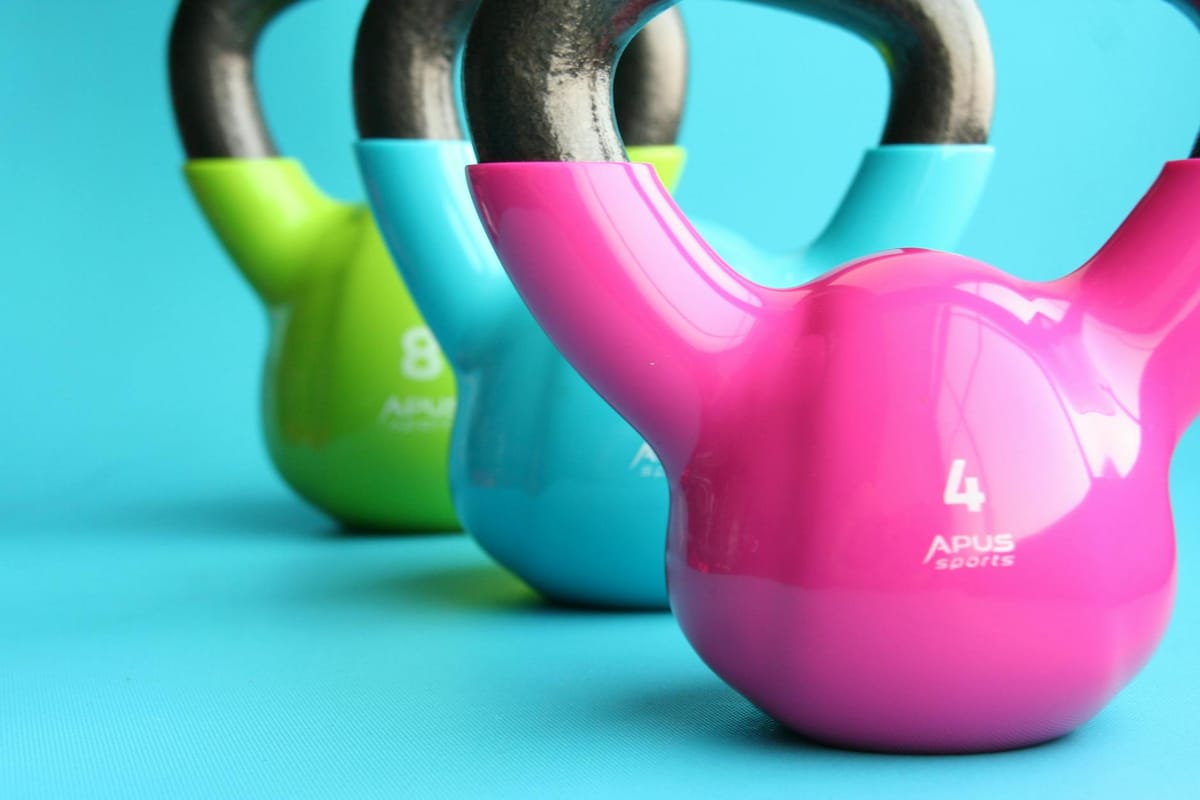
If you train in an apartment, spare room, or office corner, every inch matters. An adjustable kettlebell for small spaces gives you multiple weight options without stacking your floor with iron.
Here is the short answer: one adjustable kettlebell replaces a full set of fixed bells, takes up a fraction of the floor space, and supports serious strength and conditioning work — making it the most practical compact home gym tool for men with limited room.
That core win extends further: one adjustable bell can cover presses, rows, squats, deadlifts, carries, and swings while taking up far less room than a traditional kettlebell rack.
Not every model is a smart buy, though. Some are slow to adjust. Some feel awkward in the rack position. Some look compact but do not feel stable once the workout gets hard.
This guide shows you how to choose the right adjustable kettlebell for small spaces, what trade-offs to expect, and how to use one bell to build real strength at home in 2026.
Why an Adjustable Kettlebell Works in Small Spaces
The biggest advantage is space efficiency. Instead of storing several fixed kettlebells, you store one compact unit with a full range of usable loads.
That matters in small home gyms because clutter kills consistency. When setup is simple, training is easier to start and easier to repeat.
One Tool, More Usable Training Space
A fixed kettlebell set can take over a corner fast. A compact adjustable kettlebell keeps your setup tighter, cleaner, and easier to store between sessions.
For small rooms, that means more open floor space to actually move — not just more equipment to step around.
Enough Load Variety to Keep Making Progress
A good adjustable model lets you train lighter movements like presses and Turkish get-ups, then move heavier for goblet squats, rows, deadlifts, and swings.
You do not need a full rack to get stronger. You need a bell with a useful weight range and a design you will use consistently.
Better Fit for Apartments and Shared Rooms
If your home gym is also your bedroom, guest room, or workspace, footprint matters. A compact kettlebell is easier to slide onto a shelf, into a closet, or next to a bench.
That makes an adjustable kettlebell for small spaces a practical pick for men who want real training without turning the room into a storage unit.
What to Look for in an Adjustable Kettlebell for Small Spaces
The right model should save room and feel solid in training. If it is compact but awkward, you will stop using it.
Compact Footprint
Check the base diameter, total height, and how much clearance the bell needs for loading. A model can replace several weights and still be annoying if it is bulky to store or awkward to adjust.
The best choice has a small storage footprint and does not demand extra room just to change plates.
Fast, Simple Weight Changes
Quick adjustments matter if you use circuits, supersets, or mixed full-body sessions. A slow system breaks your pace and adds friction to the workout.
Look for a dial, pin, selector, or quick-lock design. If every change requires too many steps, that friction compounds fast.
Stable Construction
A compact bell still has to feel secure. The handle should stay tight, plates should lock cleanly, and the load should not rattle during reps.
Stability is non-negotiable. If the weight shifts during swings, cleans, or presses, the bell becomes harder to control and less safe to use.
Comfortable Handle Shape
Cheap models often miss here. You want enough handle room for one- and two-hand work, smooth edges, and a shape that does not beat up your forearms.
An adjustable kettlebell for small spaces should feel natural in swings, front rack holds, and overhead work — not just while sitting on the floor.
Useful Weight Range
Think beyond your first month. The best adjustable kettlebell should cover lighter upper-body lifts and heavier lower-body work so you can keep progressing without buying additional equipment.
For most men, a wider range means better long-term value and more room to grow before you need another piece of gear.
Common Trade-Offs to Expect
No adjustable bell is perfect. The smart move is to know the limits before you buy.
It May Not Match a Competition Kettlebell Exactly
Some adjustable designs are bulkier or shaped differently than fixed cast-iron or competition bells. That can change how cleans, snatches, and rack holds feel.
For most home lifters, that is manageable. But if exact kettlebell geometry matters to your training, pay close attention to shape and handle diameter.
Ballistic Lifts Test the Locking System
Swings, cleans, and snatches put more stress on the bell than slow lifts do. A model that feels fine for goblet squats can feel less convincing when power work starts.
Before you buy, check whether the manufacturer allows ballistic movements and whether user feedback confirms stability under hard training conditions. You can also review basic safety guidance from the CDC’s strength-training recommendations before building your home setup.
The Upfront Price Can Be Higher
A quality adjustable kettlebell usually costs more than one fixed kettlebell. But it can still be the better value if it replaces several weights you would otherwise buy separately.
Judge it by replacement value, not by single-item price alone.
How to Train With One Adjustable Kettlebell in a Small Home Gym
One bell can do a lot if your plan is simple. Build your workouts around movement patterns, not random exercise variety.
Cover the Main Movement Patterns
Start with the basics:
- Hinge: swings, deadlifts, Romanian deadlifts
- Squat: goblet squats, split squats
- Push: overhead press, floor press
- Pull: one-arm rows, high pulls
- Carry and core: suitcase carries, marches, halos
That gives you a complete full-body training system with one compact tool and very little floor space required.
Program Weight Changes on Purpose
If your bell adjusts quickly, use heavier and lighter moves in the same session. If changes take longer, group exercises by weight so you adjust once and keep moving.
That simple shift keeps an adjustable kettlebell for small spaces efficient instead of frustrating.
Respect Your Room Size
Measure your usable area before doing swings or overhead work. You need safe clearance in front, behind, and above you.
If the room feels too tight for ballistic lifts, stick to goblet squats, rows, deadlifts, carries, floor presses, and strict presses. You can still train hard without forcing movements that do not fit the space.
Sample Full-Body Session
Use this workout 2 to 4 times per week:
- Goblet Squat — 4 sets of 8 to 10
- One-Arm Row — 4 sets of 8 per side
- Overhead Press — 3 sets of 6 to 8 per side
- Kettlebell Swing — 5 sets of 15
- Suitcase Carry or March — 3 rounds of 30 to 45 seconds per side
This setup builds strength, work capacity, and grip without taking over the room.
Who Should Buy an Adjustable Kettlebell for Small Spaces?
This is not just beginner gear. It is a smart fit for men who want high training value from a minimal footprint.
Apartment Lifters
If you train in a living room, bedroom, or hallway corner, an adjustable kettlebell for small spaces is one of the most practical tools you can own.
You get solid strength and conditioning options without filling half the room with equipment.
Men Building a Minimalist Home Gym
Some guys do not want a full setup. They want a few tools they will actually use. An adjustable kettlebell fits that goal well.
Less setup. Less clutter. Fewer excuses. If that approach appeals to you, see The Minimalist Home Gym: Build a Complete Setup for Under $500 for a broader compact-equipment strategy.
Hybrid Trainers and Busy Professionals
If you split workouts between home and a commercial gym, one adjustable bell handles short sessions, off-days, and conditioning work without taking over your house.
It is also a smart first purchase if you are building a small home gym one piece at a time, especially if you want ideas from Home Gym Setup for Dads: Smart Space, Gear, Results.
FAQ: Adjustable Kettlebell for Small Spaces
Is an adjustable kettlebell for small spaces worth it?
Yes, if you want multiple weight options in one compact piece of equipment. It is especially useful for apartments, shared rooms, and small home gyms where floor space is limited.
How much room do I need to use an adjustable kettlebell?
Many exercises fit in an area roughly the size of a yoga mat. Swings and overhead lifts need more front-to-back clearance and enough ceiling height — typically at least 8 feet.
Can an adjustable kettlebell replace a full kettlebell set?
For many men, yes. A good model covers several common kettlebell weights and supports strength, conditioning, and full-body training without requiring a dedicated rack or extra storage.
Are adjustable kettlebells safe for swings and cleans?
They can be, but only if the model has a secure locking system and the manufacturer explicitly approves ballistic lifts. Always check product guidance before using explosive movements.
What is better for a small home gym: adjustable dumbbells or an adjustable kettlebell?
If your top priority is footprint and functional movement variety, the kettlebell often wins. It takes up less room and supports strength, power, carries, and conditioning with one compact tool.
If you want serious training without turning your room into a gear dump, an adjustable kettlebell for small spaces is a smart move. It saves floor space, expands your exercise options, and makes home workouts easier to stick with.
Focus on compact size, fast adjustments, stable construction, and a useful weight range. Get those four things right, and one bell can handle a surprising amount of your training.
Want a setup you will actually use? Start with equipment that fits your room, your schedule, and your training style. For many men, that starts with one well-built adjustable kettlebell.
ActiveMan — Make Your Move
The Modern Guide to Men’s Health, Fitness & Lifestyle.