
Altitude Tent Training: Does It Actually Help (and Who Should Skip It)
Altitude tent training can boost endurance performance for some athletes. Learn who benefits, the risks, and when to skip it entirely.

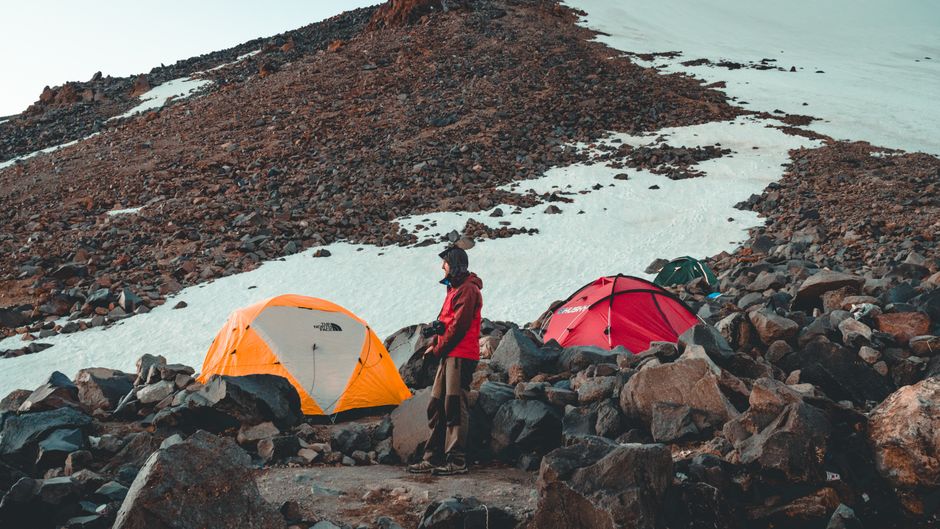
Altitude tent training can help endurance athletes by increasing red blood cell production through simulated elevation exposure. But the benefit is modest, highly individual, and easily erased by poor sleep or weak recovery. For most recreational lifters, casual runners, and men training for general fitness, altitude tent training is usually more hassle than help.
- Altitude tent training works best for competitive endurance athletes, not muscle gain, fat loss, or general fitness.
- Most effective setups require 10 to 14 hours per day of simulated altitude for 3 to 4 weeks or longer.
- Sleep disruption, headaches, poor recovery, and lower workout quality are the main reasons altitude tent training backfires.
- Skip altitude tent training if you have sleep apnea, chronic insomnia, heart or lung disease, breathing anxiety, or low iron.
- Training masks are not altitude tents; most masks restrict airflow but do not reduce oxygen concentration.
Altitude tent training has earned its serious-performance reputation. On paper, the logic is sound: sleep in simulated elevation, train normally, and gain some of the adaptation you would chase at actual altitude.
Sometimes that works. But altitude tent training is not a shortcut—it is another stressor. It only helps if your sleep, recovery, nutrition, and training are already dialed in.
What altitude tent training actually does
Altitude tent training lowers the oxygen concentration in the air you breathe during sleep or rest. A generator feeds lower-oxygen air into an enclosed tent or room, mimicking life at elevation without moving to the mountains.
Your body detects the drop in available oxygen and triggers adaptation signals, including the hormone erythropoietin (EPO), which can support red blood cell production over weeks.
This matters most for endurance sports. More oxygen-carrying capacity can improve aerobic performance in runners, cyclists, triathletes, rowers, skiers, and mountain athletes.
The most studied model is live high, train low: you spend long stretches in simulated altitude, then complete harder sessions in normal oxygen so your pace, power, and workout quality do not suffer. The classic 1997 "live high, train low" study that popularized the approach is often cited in sports science discussions — see the original report for details describing the method.
Research indexed on PubMed shows that altitude exposure can improve some endurance markers, but the response is highly individual. Some athletes improve. Some barely move. Some get worse because recovery slips. That inconsistency shows up repeatedly in sports medicine literature.
Does altitude tent training actually improve performance?
Yes, altitude tent training can improve performance in specific cases. It makes the most sense for trained endurance athletes preparing for racing or long efforts at moderate to high elevation.
It may also offer a small sea-level benefit for some well-trained athletes. The key word is small. This is a marginal-gains tool, not a performance transformation.
That distinction matters. Elite and sub-elite endurance athletes chase tiny improvements. Most other people will notice the cost, noise, dryness, and sleep disruption more than any performance gain.
Who benefits most from altitude tent training
- Competitive endurance athletes chasing small but meaningful gains
- Athletes preparing for races, climbs, camps, or trips at moderate to high elevation
- People who can commit to consistent nightly exposure for 3 to 4 weeks or longer
- Athletes with solid iron status, fueling, and recovery habits
Who usually sees little return from altitude tent training
- Lifters focused on hypertrophy or maximal strength
- Casual exercisers looking for a performance shortcut
- Anyone already struggling with sleep, fatigue, or recovery
- People expecting altitude tent training to replace solid programming
There is also a real-world problem: if the tent leaves you foggy, your intervals, long runs, lifting sessions, and work focus can all drop. In that case, the theory sounds better than the result.
The biggest downside: recovery often gets worse
The main risk with altitude tent training is usually not acute danger in a healthy user following instructions—it is reduced recovery. Once recovery drops, performance often follows.
Common complaints include broken sleep, dry airways, headaches, irritability, and an overall foggy feeling during the first phase. If you already train hard and live a busy life, that extra sleep stress can make the whole experiment a bad trade.
Altitude exposure can increase breathing rate and disturb normal sleep patterns. That matters because sleep is where most of your adaptation happens. If your sleep worsens, you may cancel out the upside you wanted.
Another issue is iron. Red blood cell production depends on iron availability. Athletes with low ferritin or poor iron intake may respond poorly or feel more fatigued. That is why serious endurance athletes often check blood work before committing, rather than guessing.
If you have a history of sleep apnea, asthma, chronic insomnia, nighttime panic symptoms, heart disease, uncontrolled blood pressure, or other cardiopulmonary issues, do not improvise. Talk to a physician or sports-medicine professional first.
Who should skip altitude tent training
Altitude tent training is easy to justify for a narrow group and easy to skip for everyone else. If any of these apply to you, your time and money are usually better spent on fundamentals.
Skip it if your main goal is muscle or body composition
There is no strong reason for the average man chasing more muscle, lower body fat, or better general fitness to use an altitude tent. Those results come from progressive overload, protein intake, calorie control, and sleep—not simulated elevation.
Skip it if your sleep is already poor
If you snore heavily, wake up often, struggle to fall asleep, or rely on caffeine just to function, altitude tent training can stack stress on stress. Fix sleep first.
Skip it if you are new to endurance training
Beginner runners and cyclists have much bigger wins available from smart programming, aerobic base work, pacing, fueling, and consistency. You do not need an advanced tool before mastering the basics.
Skip it if recovery is limited by real life
Many men in their 30s and 40s train around work travel, family demands, and imperfect sleep. In that setup, altitude tent training is often just one more variable your body does not need.
Skip it if your iron status is poor or unknown
If your iron is low, your adaptation may be weak and your fatigue may climb. That is why experienced coaches often treat blood testing as part of the process, not an optional add-on.
How to decide if altitude tent training is worth it for you
Ask one blunt question: are you solving a specific performance problem, or buying a high-tech promise?
Altitude tent training is most worth considering when you have a clear event, enough training age to benefit from marginal gains, and a way to measure whether it is helping.
A reasonable decision checklist looks like this:
- Your sport is endurance-based. Running, cycling, triathlon, rowing, skiing, mountain racing.
- Your event includes elevation or you are already close to your current ceiling.
- Your sleep is solid before you start.
- Your nutrition and iron status are handled.
- You can commit for weeks, not a few random nights.
- You can measure outcomes with pace, power, heart rate, or race performance.
If you cannot check most of those boxes, altitude tent training probably belongs in the nice idea, wrong timing category.
For most ActiveMan readers, the better investment is still simple and effective: sleep more, eat enough protein, build your aerobic base, and recover like it matters. Those habits improve nearly every athlete, every time.
FAQ
Do altitude tents actually work?
Yes, altitude tents can work for some endurance athletes by creating a lower-oxygen environment that may stimulate adaptation tied to oxygen transport. The catch is that results vary significantly, and the benefit is usually modest. If the tent hurts your sleep or recovery, the net result may be zero or negative.
Does training at altitude actually help performance?
Training at altitude can help endurance performance, especially when preparing for events at elevation. It may also improve some sea-level aerobic markers in trained athletes. But it is not universally helpful, and hard workouts often suffer if you do all your sessions in reduced oxygen instead of using a live-high, train-low setup.
What are the main negatives of altitude tent training?
The biggest negatives are poor sleep, headaches, fatigue, lower workout quality, dehydration, and inconsistent adaptation. Some athletes also struggle if iron status is low. For men balancing hard training with work and family stress, those downsides can outweigh the upside.
Does a high altitude training mask really work?
Usually not in the way people think. Most training masks do not reduce oxygen concentration like an altitude tent does. They mainly restrict airflow and make breathing feel harder. That can change breathing comfort, but it is not the same as simulated altitude exposure.
What are the disadvantages of altitude tents?
Altitude tents can be noisy, uncomfortable, hot, dry, and disruptive to sleep. They also require consistent use, cost real money, and may not produce meaningful gains unless the rest of your training and recovery plan is already dialed in. For many people, the inconvenience is the deal-breaker.
Who should avoid altitude tent training?
People with sleep apnea, chronic insomnia, significant heart or lung disease, uncontrolled blood pressure, anxiety around breathing, or low iron should be cautious and get medical guidance first. Recreational lifters and casual exercisers should usually skip it because the payoff rarely matches the hassle.
Bottom line: Altitude tent training is a specialized tool, not a universal upgrade. If you are a serious endurance athlete with a race at elevation, it may be worth testing. If you are mostly trying to look sharper, perform better, and feel more in control day to day, your edge will come from better sleep, better programming, and better consistency.
Use altitude tent training only when the goal is clear and the basics are already locked in. That is usually the smarter move.
ActiveMan — Make Your Move
The Modern Guide to Men’s Health, Fitness & Lifestyle.


