Best Compound Lifts for Men: Strength & Size Guide

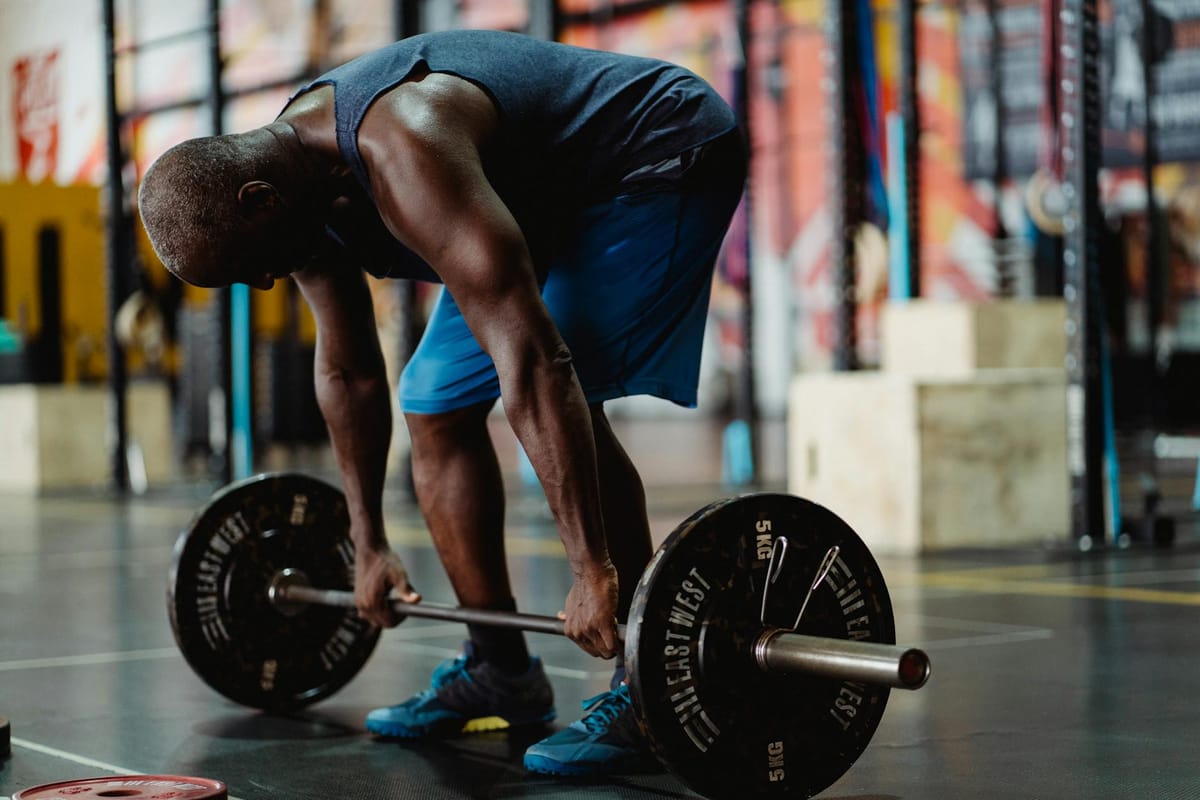
The best compound lifts for men build more muscle, more strength, and better real-world performance in less time. If you want maximum return from your training, these multi-joint movements should lead every program.
Compound lifts train multiple joints and muscle groups simultaneously. That means more total work, heavier loading, and a simpler plan that actually moves the needle.
In this guide, you will learn the best compound lifts for men, why they work, how to program them effectively, and which mistakes kill progress before it starts.
Why Compound Lifts Matter for Men
Compound exercises — movements like squats, deadlifts, presses, rows, pull-ups, and dips — train more muscle mass than isolation work. That makes it easier to build a stronger, more capable body without spending hours in the gym.
For busy men, that efficiency matters. You do not need marathon workouts. You need exercises that deliver results.
They Train More Muscle in Less Time
A squat trains the quads, glutes, adductors, core, and upper back. A bench press trains the chest, shoulders, and triceps. A deadlift activates nearly the entire posterior chain.
More muscle involved means more growth potential, especially when you add weight or reps over time through progressive overload.
They Build Functional Strength That Carries Over
The best compound lifts for men mirror basic human movement patterns: squat, hinge, press, and pull. Those patterns matter in sport, work, and daily life.
You are not just building gym strength. You are building strength you can actually use.
They Keep Training Simple and Sustainable
Most men do not need 10 to 12 exercises per session. A few hard sets on the right compound movements can cover most of your training needs.
Prioritize big lifts first, then add targeted accessories only where needed.
The Best Compound Lifts for Men
Not every lift fits every body. Injury history, limb length, mobility, and training age all matter. Still, these are the compound exercises that give most men the biggest payoff for strength and muscle gain.
1. Back Squat
The back squat is one of the best compound lifts for men for lower-body size, strength, and full-body tension. It trains the quads, glutes, adductors, core, and upper back in a single movement.
Use a stance that feels strong and natural for your hip structure. Brace your trunk hard, control the descent, and drive up with intent.
Best for: lower-body strength, muscle gain, athletic carryover
2. Deadlift
The deadlift is one of the best compound lifts for men who want raw, total-body strength. It trains the glutes, hamstrings, spinal erectors, traps, lats, and grip in one pull.
It also reinforces a strong hip hinge pattern, which matters for lifting mechanics inside and outside the gym. Keep the bar close, lock in your brace, and avoid jerking the weight off the floor.
Best for: posterior chain development, grip strength, total-body power
3. Bench Press
The bench press is a staple upper-body compound lift because it works. It builds chest, shoulders, and triceps while giving you a clear, measurable path for progressive overload.
Set your upper back firmly into the bench, keep your feet planted, and press from a stable base. A solid setup usually means better performance and fewer shoulder issues over time.
Best for: upper-body strength, chest size, pressing power
4. Overhead Press
The overhead press builds shoulder strength, triceps size, upper chest involvement, and core stability. It also exposes weak links in your upper-body control fast.
This is one of the best compound lifts for men who want practical overhead strength and better shoulder health. Stay tight through your trunk, avoid excessive lumbar extension, and finish with the bar stacked directly overhead.
Best for: shoulder strength, core stiffness, balanced upper-body development
5. Pull-Up
The pull-up is one of the most effective bodyweight compound movements you can do. It trains the lats, biceps, upper back, rear delts, and grip while forcing you to control your full bodyweight.
If bodyweight pull-ups are not there yet, use band assistance or slow negatives to build the pattern. Once sets get easy, add load with a belt or vest.
Best for: back width, relative strength, upper-body pulling control
6. Barbell Row
The barbell row builds the lats, mid-back, rear delts, biceps, and trunk. It also helps balance pressing volume, supports stronger deadlifts, and improves posture over time.
Keep your torso set at a consistent angle, avoid excessive body English, and pull with deliberate intent. Clean reps beat sloppy heavy reps every time on this movement.
Best for: back thickness, posture, pulling strength
7. Dip
Dips are a hard-hitting upper-body compound movement that targets the chest, triceps, and shoulders. For men with healthy shoulders, they are a strong addition to any strength program.
Control the lowering phase, stay tight at the bottom, and do not force a depth you cannot own. If dips consistently irritate your shoulders, swap them for a close-grip press variation instead.
Best for: chest and triceps growth, bodyweight strength, upper-body density
How to Program Compound Lifts for Maximum Gains
Knowing the lifts is not enough. Results come from smart programming, consistent execution, and disciplined recovery.
Train the Big Lifts First
Do your most technical and demanding compound exercises early in each session. Squats, deadlifts, presses, and pull-ups should always come before smaller accessory work.
Your best energy should go to your highest-value lifts — not the other way around.
Apply Progressive Overload Consistently
To keep gaining size and strength, give your body a reason to adapt. Add a small amount of weight, add a rep, tighten your technique, or complete the same work with less perceived effort.
Small, consistent progress beats random max attempts every time. Track your numbers so you know when you are moving forward.
Match Rep Ranges to Your Goal
For strength, most men do well with 3 to 6 reps on the main barbell lifts. For muscle gain, 5 to 10 reps often produces strong results. Pull-ups and dips can go slightly higher depending on control and training intent.
A mix of heavy work and moderate-volume work is usually the most effective approach for men training for both size and strength.
Choose Variations That Fit Your Body
The best compound lifts for men are not always the same lift variation for every individual. If back squats bother your hips, front squats or safety bar squats may fit better. If conventional deadlifts stress your lower back, a trap bar deadlift is often a smarter choice.
The right lift is the one you can perform hard, safely, and consistently over months and years. The best compound exercises for men over 35 often follow this same principle of matching the movement to your body rather than forcing one variation.
Common Mistakes That Kill Compound Lift Progress
Compound lifts reward discipline and punish sloppy habits. Identify and fix these early to protect your progress and your joints.
Using More Weight Than You Can Control
Chasing numbers with poor form is a fast way to stall — or get hurt. Own the movement pattern first, then load it progressively.
Strong technique is non-negotiable on squats, deadlifts, and overhead presses.
Doing Too Much Heavy Work Without Structure
Heavy compound training creates significant systemic fatigue. If every session includes maximal squats, deadlifts, rows, presses, and failure sets, recovery will break down quickly.
Pick two or three priorities per workout and recover like it matters as much as the training itself. If fatigue keeps accumulating, watch for signs you need a deload week before performance and joints start paying the price.
Neglecting Recovery Basics
You do not grow from training alone. You grow when your body recovers from it. Sleep quality, daily protein intake, hydration, and stress management all directly affect strength and muscle gain.
Hard training only works when your recovery can support it. Treat both with equal seriousness. The CDC strength training guidelines also reinforce how consistent resistance work and recovery habits support long-term health.
Skipping Warm-Up Sets
You do not need a long mobility session before every workout. You do need a few progressive ramp-up sets and movement-specific prep before heavy compound lifting.
That preparation helps you move better, lift with more confidence, and reduce injury risk on your working sets.
How to Build a Simple Weekly Plan Around Compound Lifts
If you want to use the best compound lifts for men without overcomplicating your programming, keep the structure basic, repeatable, and built around the core movements.
Option 1: Full-Body Training 3 Days Per Week
Day 1: Back squat, bench press, barbell row
Day 2: Deadlift, overhead press, pull-up
Day 3: Front squat or split squat, incline press or dip, barbell row or chin-up
This setup works well for busy schedules and provides enough training frequency to improve all the main compound lifts steadily.
Option 2: Upper/Lower Split 4 Days Per Week
Lower 1: Back squat, Romanian deadlift, lunge variation
Upper 1: Bench press, barbell row, dip
Lower 2: Conventional deadlift, front squat, hamstring accessory
Upper 2: Overhead press, pull-up, incline dumbbell press
Keep the main compound lift as the session priority, then use assistance work to fill specific gaps in muscle development or movement quality.
FAQ: Best Compound Lifts for Men
What are the best compound lifts for men to build muscle?
The best compound lifts for men targeting muscle gain are the back squat, deadlift, bench press, overhead press, pull-up, barbell row, and dip. These movements train the most total muscle mass and allow consistent progressive overload — the primary driver of hypertrophy.
Are compound lifts enough for a complete workout?
For most men, compound lifts can cover the majority of a well-designed program. Isolation exercises can help address weak points, add targeted volume, or improve joint balance, but the big compound movements should remain at the center of your training.
How often should men do compound lifts each week?
Most men do well training compound lifts 2 to 4 times per week, depending on recovery capacity, program structure, and training experience. Beginners often progress fastest on full-body training three days per week with all major patterns covered each session.
Which compound lift is best for total-body strength?
The deadlift is widely considered the top choice for total-body strength because it trains the hips, legs, back, core, and grip simultaneously under heavy load. The back squat is a close second and should be included alongside it in any serious strength program.
Can men over 40 still do heavy compound lifts?
Yes. Men over 40 can benefit significantly from heavy compound training when exercise selection, technique, load management, and recovery are handled intelligently. Smart, consistent loading matters far more than ego lifting at any age — and especially after 40.
How long does it take to see results from compound lifts?
Most men notice measurable strength improvements within 4 to 6 weeks of consistent compound training. Visible muscle and body composition changes typically become apparent within 8 to 12 weeks, provided nutrition and recovery are supporting the training stimulus.
Final Takeaway
The best compound lifts for men come down to four fundamental patterns: squat, hinge, press, and pull — executed with purpose and loaded progressively over time. These movements build size, strength, and real-world function without wasting your training hours.
Make compound exercises the core of your program, track your numbers session to session, and progress patiently. Consistency with the basics is how strong, capable men are built.
Pick three or four key compound lifts this week, run them with full effort, and build from there. The results follow the work.
ActiveMan — Make Your Move
The Modern Guide to Men’s Health, Fitness & Lifestyle.