
Best Dip Station for Garage Gym in 2026

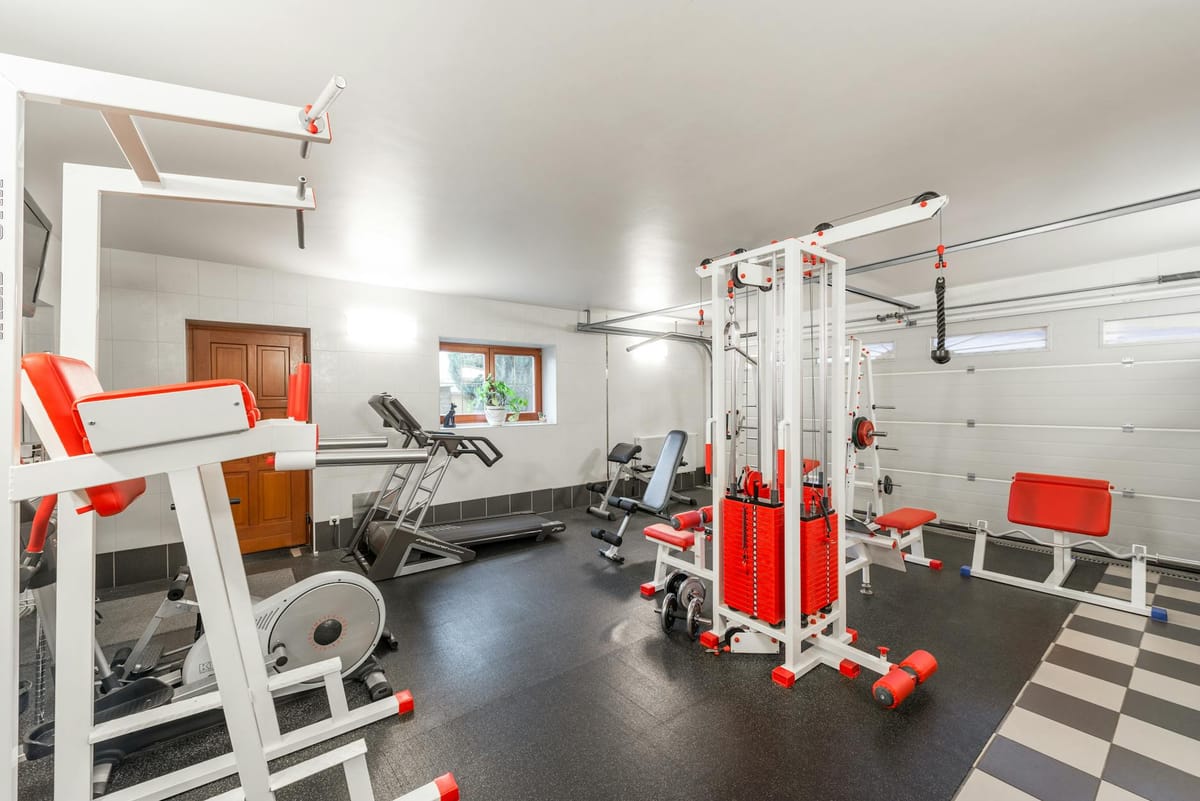
The best dip station for garage gym training is the one that stays stable, fits your layout, and gets used every week. If it wobbles, crowds your floor, or feels awkward for your frame, it will collect dust fast.
Dips are one of the most efficient upper-body moves you can do at home. They train the chest, triceps, shoulders, and core, and a good station also opens up leg raises, L-sits, support holds, push-up variations, and band work.
If you want the best dip station for garage gym use, focus on three things first: stability, size, and how you actually train. That will narrow the field faster than flashy add-ons or inflated product claims.
What makes the best dip station for garage gym setups?
A dip station is simple gear, but small design choices change how safe and useful it feels. The best dip station for garage gym lifters usually comes down to frame strength, bar position, and floor footprint.
Stability comes first
If a station shifts under bodyweight, it will feel worse once you add a dip belt or push hard sets. Look for a wide base, solid welds, thick steel, and rubber feet that grip concrete.
Garage floors expose weak equipment fast. A stable frame should stay planted when you descend, pause, and drive up without side-to-side shake.
Bar width changes comfort and muscle bias
Narrower bars usually feel better for triceps-focused dips. Slightly wider bars often suit chest-focused reps and broader shoulders. There is no perfect width for everyone.
The right setup lets your shoulders move naturally without forcing your elbows into a bad path. If you have cranky shoulders, handle angle and spacing matter more than extra features.
Height and clearance matter for taller lifters
Short bars force tall guys to bend their knees hard or tuck behind them. That gets old fast. The best dip station for garage gym buyers over six feet gives enough leg clearance for smooth reps.
Check both bar height and base width before you buy. A tall station with a narrow base can feel less secure when mounting and dismounting.
How to choose the right dip station for your space and training style
Most bad buys happen because the station looked strong online, not because it matched the gym. A better approach is to choose based on space, body size, and training goals.
For small garages, keep the footprint tight
If your gym shares space with a car, storage shelves, or tools, every inch counts. Independent dip bars or compact freestanding stations often make more sense than a bulky tower.
A smaller unit can still be the best dip station for garage gym layouts with limited room if it stays stable and allows full-range reps.
For weighted dips, buy heavier than you think you need
If you weigh over 200 pounds, train explosive reps, or plan to add plates, do not shop at the bottom of the market. You want a frame that stays quiet and controlled at the bottom position.
Listed weight capacity helps, but design matters too. A high rating means less if the base is narrow or the frame flexes under load.
For all-in-one bodyweight training, consider a power tower
A power tower can work well if you need dips, pull-ups, and knee raises in one footprint. That makes sense for a new home gym with limited equipment.
But if dips are the priority, a dedicated unit often feels better. In many cases, the best dip station for garage gym performance is the simpler option.
Best dip station types for a garage gym
When comparing models, you will usually see three main categories. Each can be the best dip station for garage gym training depending on your setup.
1. Dedicated freestanding dip stations
This is the strongest choice for many lifters. A dedicated station is built for one main job, so it usually offers the best mix of stability, simplicity, and efficient footprint.
If you already own a rack or pull-up bar, this style often gives the most value. You are not paying for features you already have.
2. Power towers
Power towers combine multiple bodyweight stations in one frame. They are useful for beginners or anyone building a basic upper-body setup from scratch.
The trade-off is size. Cheap towers can feel shaky during hard dip sets, so buy sturdier than the product photos suggest.
3. Independent dip bars
Independent bars let you adjust spacing to your body and move them when needed. They are great for dips, rows, push-ups, L-sits, support holds, and some rehab work.
For compact spaces, this style may be the best dip station for garage gym flexibility. Just make sure both bars stay planted and level on your floor.
Key features to look for before you buy
Once you know the type you want, use a simple checklist. The right details separate a smart buy from a frustrating one.
Heavy-gauge steel and solid welds
Thicker steel usually means less flex. Good manufacturers often list tubing size, finish, and max capacity. If the product page is vague, treat that as a warning sign.
You do not need commercial equipment for a home gym, but you do need a frame that feels secure under hard sets.
Wide base and grippy feet
A narrow base is one of the main reasons dip stations wobble. Look for a wide, planted stance, especially if you use a forward lean or weighted dips.
Rubber feet help on concrete and can reduce sliding, floor marks, and annoying movement during reps.
Grip diameter that feels natural
Handles that are too thick can hurt pressing power. Too thin can feel harsh on the hands. Most lifters do best with a moderate grip diameter and a textured finish.
Skip slick handles if your garage gets hot or humid. The best dip station for garage gym use should feel secure even when your hands sweat.
Finish that can handle garage conditions
Garages deal with dust, moisture, and temperature swings. A decent powder coat usually holds up better than a cheap painted finish.
This matters if your gym is not climate controlled. Rust and chipping do not always kill the frame, but they make cheap gear age fast.
Common mistakes when buying a dip station
Most regret comes from buying too quickly. Avoid these mistakes and you are far more likely to end up with the best dip station for garage gym training instead of a refund headache.
Buying the cheapest model
Low price does not mean value. Dips put real stress on the frame, and flimsy equipment shows its weakness fast.
Paying more for better steel, stronger welds, and a more stable base usually saves money over time.
Ignoring your body size
A station that feels fine for a lighter, shorter user can feel cramped for a taller or heavier lifter. Shoulder width, bar spacing, and knee clearance all matter.
Read dimensions closely. Do not trust phrases like “fits most users” without numbers to back them up.
Forgetting the layout of your garage gym
A dip station should improve flow, not block your bar path, walking lane, or storage access. Think about how you will get on and off the station and where it will sit between other pieces.
Sometimes the best dip station for garage gym layouts is the one that leaves enough room to train everything else.
Paying for features you will not use
Extra pads, handles, and attachments can look useful on a sales page. In reality, they often add cost and bulk without adding much training value.
If you already have a rack and pull-up bar, a simple dip station may be the better buy.
How to get more from your dip station once it is in your garage
A good station should earn its space right away. The easiest way to make it worth the money is to build it into your weekly training.
Use dips as a main pressing movement
If your shoulders tolerate dips well, run them like any other compound lift. A simple starting point is 3 to 5 sets of 6 to 12 reps, then add load when bodyweight gets too easy; for form cues see this dip technique guide.
Stay controlled at the bottom. Aim for range you can own, not depth that forces your shoulders loose.
Add core and accessory work
Your station can do more than dips. Support holds, knee raises, leg raises, L-sits, incline push-ups, and band-assisted work all fit well here.
That extra use is a big reason the best dip station for garage gym setups can punch above its footprint.
Keep it level and maintained
Sweep under the feet and check bolt tightness from time to time. Garage grit and uneven flooring can create movement that feels like a design issue.
Basic maintenance takes minutes and helps the station stay solid for years.
FAQ: Best dip station for garage gym buyers
What is the best dip station for garage gym beginners?
For most beginners, a stable freestanding dip station is the safest and simplest choice. If you also need pull-ups and knee raises, a sturdy power tower can make sense.
Are dip stations worth it for a home gym?
Yes. A quality dip station gives you chest, triceps, shoulders, and core work in a small footprint, which makes it a strong value for most garage gyms.
How much weight should a dip station support?
Look for a station that can handle your bodyweight plus future added load. If weighted dips are part of the plan, prioritize stability and real-world build quality, not just the listed rating.
Is a power tower better than a dip station for a garage gym?
It depends on your setup. A power tower is better if you need several bodyweight stations in one unit. A dedicated dip station is often better if you already have a rack or pull-up bar and want stronger dip performance.
How much space do I need for a dip station in a garage gym?
You need room for the unit itself, plus safe space to mount, dismount, and move around it. Measure both the footprint and the usable training space before you buy.
Final take
The best dip station for garage gym use is the one that feels solid, fits your space, and matches how you train. Everything else is secondary.
If you already own a rack, a dedicated station or independent bars usually make the most sense. If you are building a bodyweight corner from scratch, a heavy-duty power tower may be the better fit.
Before you buy, measure your floor space, check bar height and base width, and be honest about whether you want simple strength or multi-use versatility. Then choose the station you will still be using hard in 2026 and beyond.
ActiveMan — Make Your Move
The Modern Guide to Men’s Health, Fitness & Lifestyle.


