Best Proteins for Lactose Intolerance
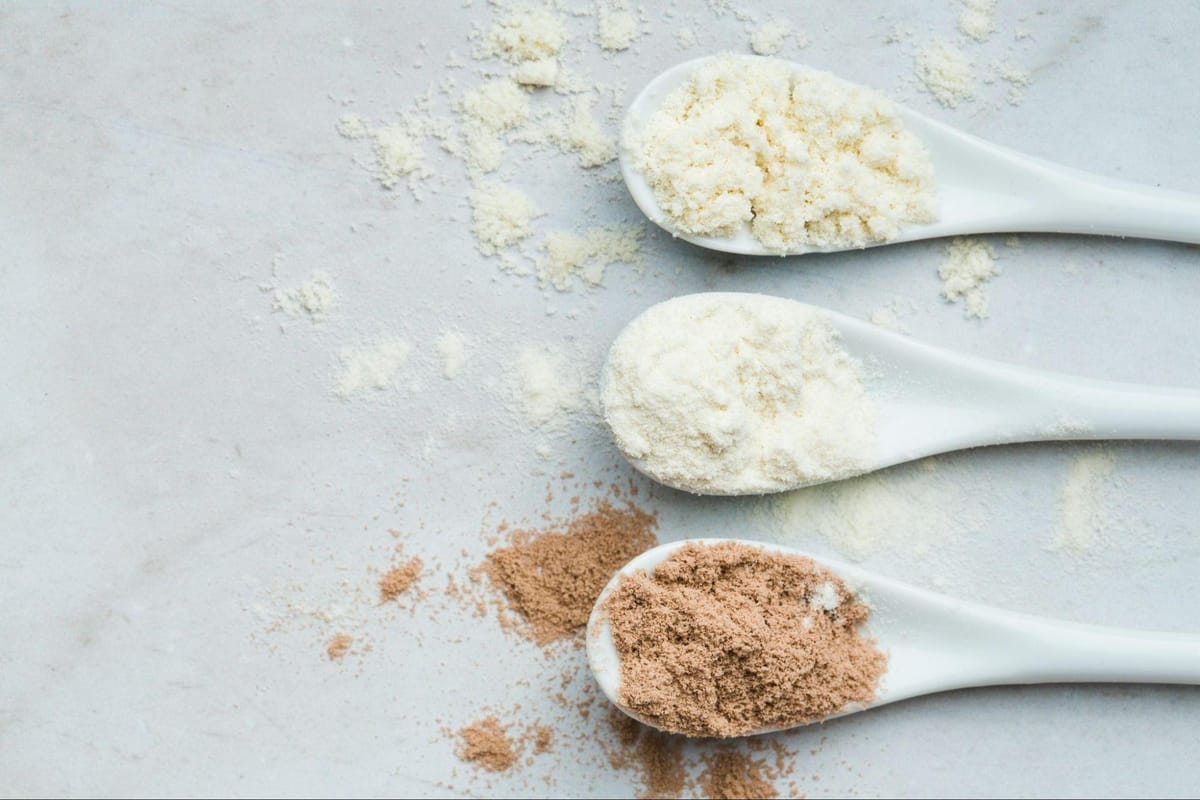
For athletes, protein intake plays a central role in recovery, muscle repair, and overall training performance. However, for individuals with lactose intolerance, finding a protein supplement that supports these goals without causing digestive discomfort can be challenging. Many traditional protein powders are derived from milk and may contain lactose, the sugar that people with lactose intolerance struggle to digest.
Symptoms such as bloating, gas, and abdominal discomfort often occur when lactose is consumed without sufficient levels of the enzyme lactase. Fortunately, several high-quality protein sources provide the amino acids necessary for muscle recovery and performance without causing these issues.
Keep reading to learn more about some of the most effective protein options for people who are lactose intolerant but still want to optimize athletic performance and recovery.
Pea Protein
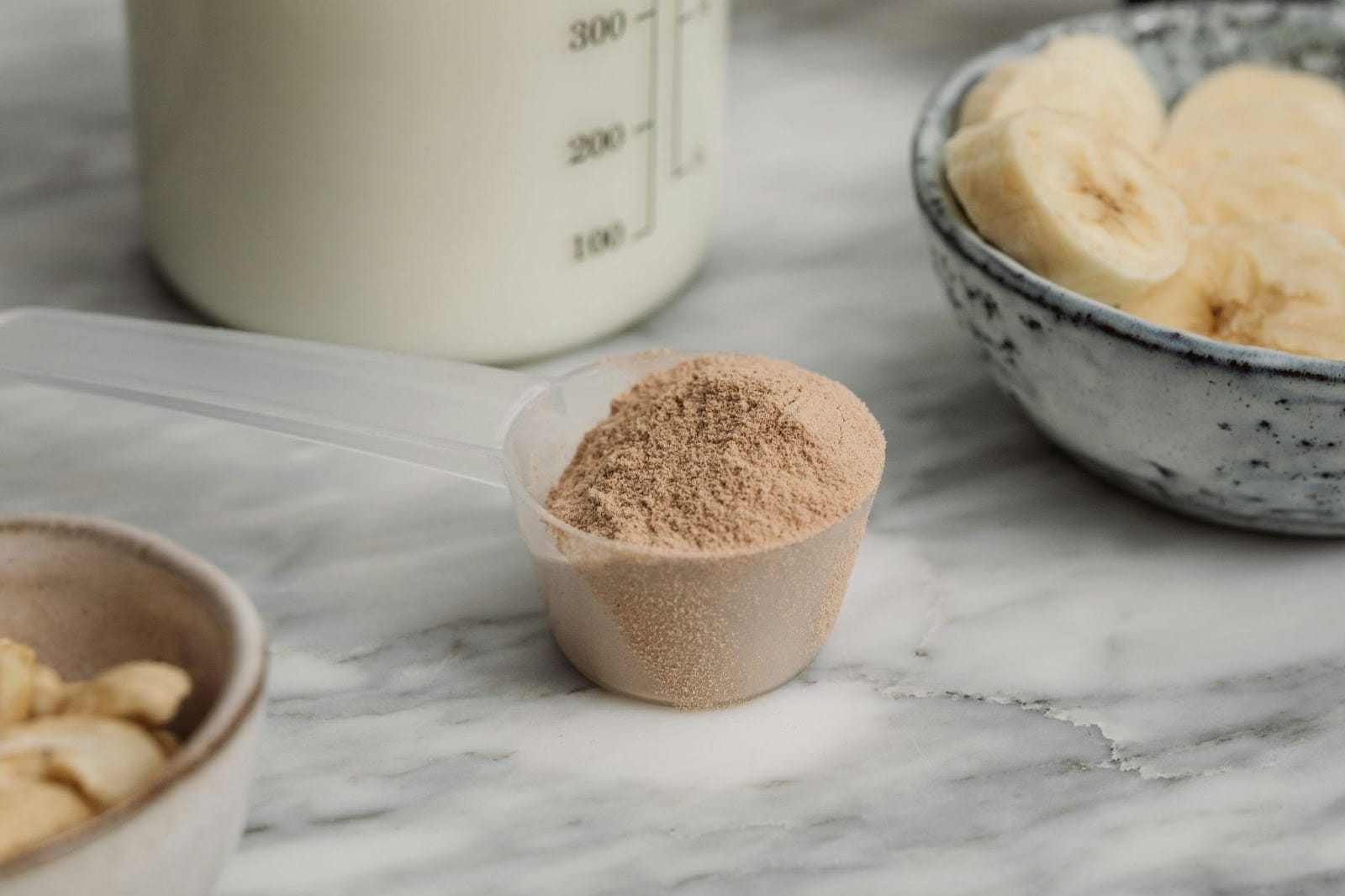
Pea protein has become one of the most popular dairy-free protein sources among athletes. It is naturally lactose-free and provides a substantial amount of essential amino acids needed for muscle repair.
One of the key advantages of pea protein is its strong branched-chain amino acid (BCAA) profile, particularly leucine. Leucine plays an important role in stimulating muscle protein synthesis, the process that helps repair and rebuild muscle tissue after exercise. For athletes engaged in resistance training or high-intensity sports, this makes pea protein a highly practical option.
This pea protein powder is made from yellow peas and contains no additives, artificial sweeteners, or fillers, so you know exactly what you’re getting. For individuals with lactose intolerance who still want a high-quality recovery shake, pea protein can provide an effective solution.
Pea protein works well when blended into smoothies, mixed with oats, or consumed as a post-workout shake. Many athletes also combine it with carbohydrates, such as fruit, to help replenish glycogen and support recovery.
Whey Protein Isolate
Although whey protein originates from milk, whey protein isolate is often tolerated by people with lactose intolerance. During the filtration process used to create whey protein isolate, nearly all lactose is removed.
Because whey protein isolate is highly refined, it offers several benefits for athletes:
- Rapid digestion and absorption
- High levels of essential amino acids
- Excellent leucine content for muscle repair
- Minimal fat and carbohydrate content
These properties make whey protein isolate one of the most effective proteins for post-exercise recovery, when muscles are particularly responsive to amino acids.
For athletes who experience mild lactose intolerance rather than a true dairy allergy, whey protein isolate may still be an excellent option. Many sports nutrition experts consider it the gold standard for recovery due to its strong research backing and efficient absorption.
However, tolerance varies between individuals. Some people with more severe lactose intolerance may still prefer completely dairy-free options.
Egg White Protein
Egg white protein is another highly effective option for athletes who avoid lactose. Because it is derived from egg whites rather than milk, it contains zero lactose while still providing a complete amino acid profile.
From a nutritional standpoint, egg white protein is extremely valuable for recovery and performance. It contains all nine essential amino acids and is particularly rich in leucine, isoleucine, and valine, the BCAAs that support muscle repair after training.
Historically, eggs have been used as a reference protein in nutrition research due to their excellent amino acid quality. When egg whites are dried and turned into protein powder, they maintain many of these benefits.
Athletes often choose egg white protein for several reasons:
- Naturally lactose-free
- Complete amino acid profile
- Highly digestible
Egg white protein can be especially useful for athletes who cannot tolerate dairy but still want a protein source comparable in quality to whey.
Brown Rice Protein
Brown rice protein is another plant-based option that works well for individuals with lactose intolerance. Like pea protein, it contains no dairy and no lactose, making it suitable for sensitive digestive systems.
Rice protein has slightly lower levels of certain amino acids compared with whey, but it still provides a solid profile for muscle recovery when consumed in adequate amounts. Many plant-based protein blends combine rice and pea protein to create a more balanced amino acid spectrum.
For athletes following plant-based diets, brown rice protein offers several advantages:
- Completely dairy-free
- Hypoallergenic and easy to digest
- Suitable for vegan diets
- Provides steady amino acid availability
When combined with other protein sources, such as pea protein, rice protein can contribute to a well-rounded recovery strategy.

Choosing the Right Protein for Performance
For athletes with lactose intolerance, the ideal protein supplement depends on both digestive tolerance and performance goals. Several factors should be considered when selecting a protein powder:
- Digestibility: Plant-based proteins and egg protein contain no lactose and are generally the safest option for individuals with strong intolerance.
- Amino acid profile: Proteins rich in leucine and other essential amino acids support muscle protein synthesis and recovery.
- Ingredient simplicity: Products with minimal additives, artificial sweeteners, or fillers tend to be easier on digestion.
- Training demands: High-intensity athletes may benefit from faster-digesting proteins such as whey isolate, while plant proteins can still support recovery when consumed consistently.
Summary
Lactose intolerance does not mean athletes must compromise their protein intake or recovery strategy. Several high-quality protein sources can deliver the amino acids needed for muscle repair and performance without causing digestive discomfort.
Pea protein, whey isolate, egg white protein, and rice protein all provide effective alternatives to traditional dairy-based powders. For individuals who prefer a fully dairy-free option, pea protein remains one of the most practical and versatile choices.
Ultimately, the best protein is one that supports training goals while remaining comfortable to digest. With the growing range of lactose-friendly protein supplements available today, athletes no longer have to choose between performance and digestive health.
ActiveMan — Make Your Move
The Modern Guide to Men’s Health, Fitness & Lifestyle.