
Caffeine Timing for Workout Focus: Best Pre-Gym Window

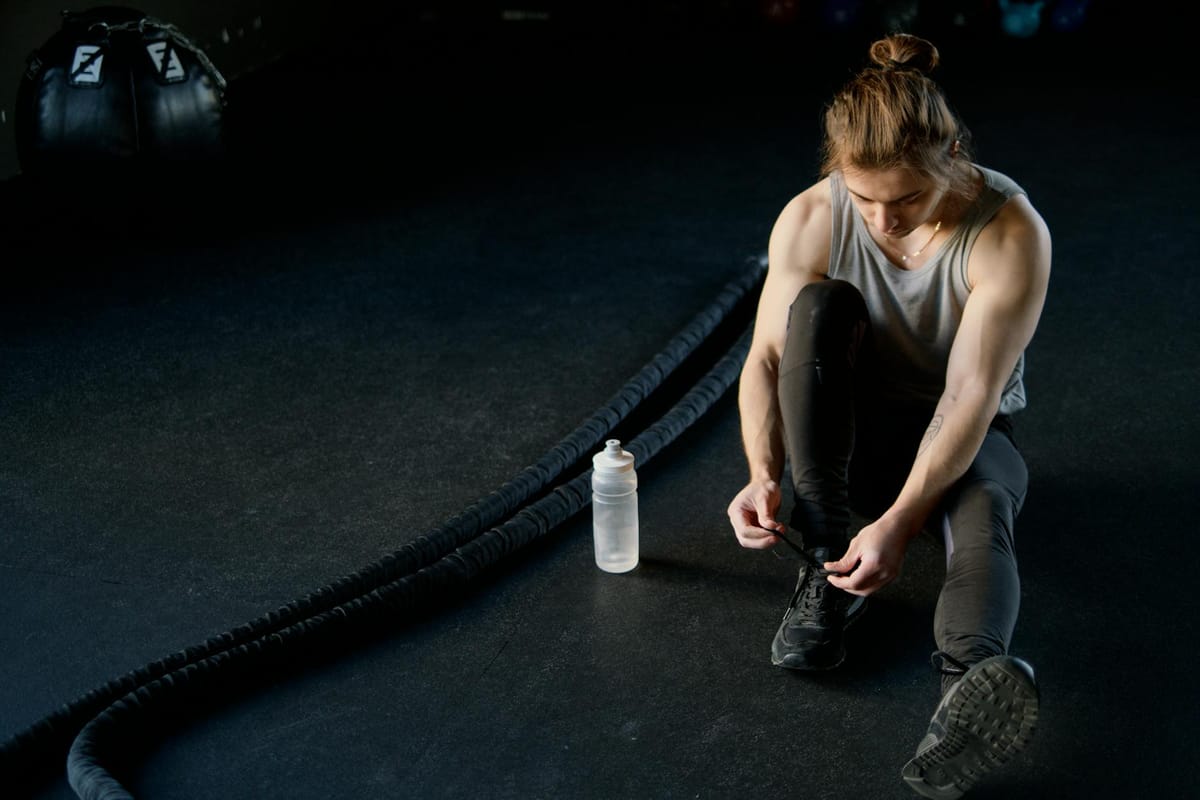
You can have a solid program, decent nutrition, and enough sleep — but if your head is not in the session, the workout still suffers. That is why caffeine timing for workout focus matters. Get it right, and you walk in alert, locked in, and ready to train. Get it wrong, and you feel flat at the start or wide awake when you should be sleeping.
For most active men, caffeine works best as a tool, not a crutch. The goal is not to chase the biggest pre-workout hit. The goal is to use the right dose at the right time so your focus peaks when the hard work starts.
Quick answer: for most men, the best caffeine timing for workout focus is 30 to 60 minutes before training. If you train fasted, 20 to 40 minutes may be enough. If you eat before the gym, aim for 45 to 60 minutes to account for slower absorption.
This guide covers how pre-workout caffeine timing works, what changes your personal response, how much to use, and how to get the mental edge without hurting sleep or building a runaway tolerance.
Why Caffeine Timing Matters More Than Most Lifters Think
Caffeine works primarily by blocking adenosine, a chemical tied to fatigue and drowsiness. When adenosine is blocked, you feel more alert and more willing to push through hard effort. In the gym, that translates directly to sharper focus, stronger drive, and better perceived energy during your sets. Read the ISSN position stand on caffeine and exercise performance for a detailed review of how caffeine affects performance.
Timing matters because caffeine does not hit at the same speed for everyone. Body size, food intake, tolerance, and genetics all influence how fast it kicks in and how long it lasts. That is why caffeine timing for workout focus is not a one-size-fits-all formula.
Most men feel caffeine within 15 to 45 minutes, with effects peaking around 30 to 60 minutes after intake. In practical terms: if you want sharper focus during your warm-up and first hard sets, you need to take caffeine before you leave for the gym, not once you arrive.
What Workout Focus Actually Means
Workout focus is not just feeling awake. It means staying on task, keeping rest periods tight, holding good technique under fatigue, and bringing real effort when the session gets uncomfortable.
That is where pre-workout caffeine can help most. It will not transform results overnight, but it can meaningfully improve training quality. Better sessions repeated consistently over time lead to better progress — that is the real payoff. If you prefer non-stimulant methods to sharpen attention before training, see How to Increase Focus Before Workouts Naturally for practical strategies.
The Best Caffeine Timing for Workout Focus
For most active men, the sweet spot for caffeine timing for workout focus is 30 to 60 minutes before training. That window gives caffeine enough time to raise alertness right as the session begins.
If you train first thing in the morning on an empty stomach, you may feel it faster. In that case, 20 to 40 minutes pre-workout often works well. If you have eaten a full meal beforehand, absorption slows, so 45 to 60 minutes is the safer lead time.
Quick Timing Guide by Workout Type
Heavy lifting: Aim for 30 to 60 minutes before your first working set. You want peak mental focus when the weight gets serious and technique demands are highest.
HIIT or conditioning: Take it 20 to 45 minutes before starting. Short, aggressive sessions benefit from a faster rise in alertness and reaction sharpness.
Long endurance work: Take caffeine 30 to 60 minutes before the start. For sessions over 90 minutes, consider splitting the dose to sustain focus through the back half.
Evening training: Use caution. Caffeine timing for workout focus still applies, but your bedtime matters just as much. A sharp session is not worth wrecking overnight recovery.
How Much Caffeine Is Enough for Gym Focus?
Most active men do well with 100 to 250 mg before training. That range is typically enough to sharpen alertness and mental drive without pushing into jitters, anxiety, or a racing heart.
Some lifters follow a 3 to 6 mg per kilogram of body weight guideline, which is a well-established sports nutrition range. But more is not always better. For gym focus specifically, a moderate dose usually outperforms a large dose that leaves you shaky or mentally scattered.
Start low, assess the effect, and only increase if needed. That is the smart, sustainable approach.
What Affects Your Ideal Caffeine Timing and Response
The reason caffeine timing for workout focus works perfectly for one man and poorly for another comes down to individual context. A few key variables change both the speed and strength of the effect.
Food Intake Before Training
Caffeine on an empty stomach usually hits faster and feels stronger. Caffeine taken with a large meal may feel delayed or slightly muted at first. If your pre-workout meal is heavy, build in more lead time — 45 to 60 minutes is a reliable buffer.
Your Caffeine Source
Coffee, caffeine pills, energy drinks, and pre-workouts can all deliver results. The key difference is consistency and predictability.
Coffee is convenient, but caffeine content varies by brew strength and cup size. Caffeine pills make precise dosing straightforward. Pre-workouts may include useful performance extras, but they can also stack stimulants quickly if you do not check the label carefully.
If your goal is dialed-in caffeine timing for workout focus, the more predictable your source, the easier it is to repeat what works session to session.
Tolerance and Daily Intake
If you already drink several caffeinated drinks throughout the day, your pre-workout dose may feel weaker. That does not always mean you need a bigger hit. Often, it means your daily baseline intake is too high.
Save your strongest caffeine dose for training if workout performance is the priority. Spreading stimulant use across the day blunts the effect when you actually need it.
Genetics and Caffeine Metabolism
Some men clear caffeine fast and feel little effect after two hours. Others feel wired for six hours or more. If afternoon coffee reliably ruins your sleep, your personal cutoff needs to move earlier. If caffeine wears off quickly for you, your timing window is naturally more flexible.
How to Use Caffeine Without Hurting Sleep or Recovery
This is where many men get sloppy. They focus on the pre-workout lift and ignore the downstream effect. But recovery drives long-term progress, and poor sleep can erase the benefit of even the most focused training session.
Caffeine has a half-life of roughly 5 to 6 hours, meaning it stays active in your system well after you feel the peak. That means caffeine timing for workout focus has to account for your bedtime, not just your training window.
Set a Personal Caffeine Cutoff Time
A practical rule for most men is to avoid caffeine within 8 to 10 hours of your target sleep time. Some men tolerate a shorter buffer. Others need more. Test it honestly based on actual sleep quality — not what you think you can handle.
If you train late in the evening, consider a lower dose, a half dose, or a stimulant-free pre-workout. A thorough warm-up, solid hydration, and carbohydrates before the session can also meaningfully improve energy without touching your sleep.
Do Not Confuse Stimulation With Readiness
Caffeine can make you feel ready when your body is actually under-recovered. That can be useful occasionally, but it is a poor daily strategy. If every session requires a heavy stimulant hit just to feel functional, your sleep quality, nutrition, stress load, or training volume probably needs attention first.
Caffeine should support good habits, not mask bad ones.
Cycle Your Intake When Needed
You do not need a full stimulant reset every few weeks. But if your usual pre-workout dose stops delivering noticeable focus, a short reduction helps. Even pulling back for 5 to 7 days can restore sensitivity and make pre-workout caffeine feel effective again without increasing the dose.
Practical Strategies to Dial In Caffeine Timing for Workout Focus
If you want better sessions starting this week, keep the approach simple. The best caffeine strategy is the one you can repeat consistently without disrupting sleep or daily function.
For Morning Lifters
Take caffeine shortly after waking and begin training 20 to 45 minutes later. If you train fasted, a smaller dose — around 100 to 150 mg — is often enough. If you eat first, give it more time and consider a slightly higher dose if needed.
For Lunch Break Workouts
Use caffeine about 30 to 60 minutes before the session, especially if you have eaten. Keep the dose moderate so you stay sharp and productive through the afternoon instead of hitting a hard crash before the end of the workday.
For Evening Training Sessions
Be selective. If bedtime is within 6 to 8 hours, use the minimum effective dose or skip caffeine entirely. For most men, protecting sleep quality will do more for long-term performance than squeezing out one more stimulated evening workout.
Track Three Variables to Find Your Optimal Window
To find your personal best caffeine timing for workout focus, track these three things consistently for one to two weeks:
1. Time taken before training
2. Dose used (in mg)
3. Sleep quality that night
Patterns show up quickly. You will know whether 150 mg at 30 minutes works better for your focus and recovery than 250 mg at 60 minutes. That data is more useful than any generic recommendation.
Match Caffeine Use to Session Demand
Use caffeine for the sessions that genuinely need it: heavy compound lifts, hard conditioning blocks, long training days, or workouts where motivation is low. There is no need to push stimulants hard before an easy recovery session or a light mobility day.
FAQ: Caffeine Timing for Workout Focus
How long before a workout should I take caffeine for focus?
For most men, 30 to 60 minutes before training is the optimal window. If you train fasted in the morning, 20 to 40 minutes may be enough. If you have eaten a full meal, lean toward the 45 to 60 minute end to allow for slower absorption.
Is coffee good enough for workout focus, or should I use a pre-workout?
Coffee works well if the dose is consistent and your stomach handles it without issue. Pre-workout supplements can also be effective, but always check the label for total caffeine content and any additional stimulants that could push the dose higher than intended.
What is the best caffeine dose for gym focus?
A practical starting range is 100 to 250 mg for most active men. Larger athletes or those with higher tolerance may need slightly more, but the lowest effective dose is always the smarter long-term choice for managing tolerance and protecting sleep.
Will taking caffeine before evening workouts hurt my sleep?
It can, especially for men who metabolize caffeine slowly. Most men do better when they avoid caffeine within 8 to 10 hours of bedtime. If late training is affecting your sleep quality, reduce the dose, switch to a stimulant-free option, or skip it entirely.
Should I take caffeine before every workout?
No. Using caffeine strategically — for demanding sessions, heavy training days, or when mental sharpness is genuinely low — is more effective than daily use. It helps manage tolerance, keeps the effect strong when you need it, and protects sleep on lighter training days.
Can I build a tolerance to pre-workout caffeine?
Yes. Regular high-dose use reduces sensitivity over time. The fix is not always a bigger dose. Keeping daily caffeine intake moderate, saving your strongest dose for training, and taking occasional short breaks — even 5 to 7 days — can restore the effect without needing to escalate.
Caffeine timing for workout focus gets straightforward once you stop guessing and start testing. For most men, the best results come from a moderate dose taken 30 to 60 minutes before training, adjusted for meals, personal tolerance, and how close bedtime is. That gives you the mental edge you want without paying for it later with disrupted sleep and slower recovery.
Start with a consistent caffeine source, keep the dose reasonable, and track what actually happens over a week or two. One small timing adjustment can make a session feel sharper, cleaner, and more productive. For more practical training and recovery strategies built for active men, explore more at ActiveMan.
ActiveMan — Make Your Move
The Modern Guide to Men’s Health, Fitness & Lifestyle.


