
Calcium Rich Foods: Best Sources for Men in 2026
Discover the best calcium rich foods for men: dairy, tofu, beans, fortified drinks & more. Reach 1,000 mg daily with practical meal ideas.

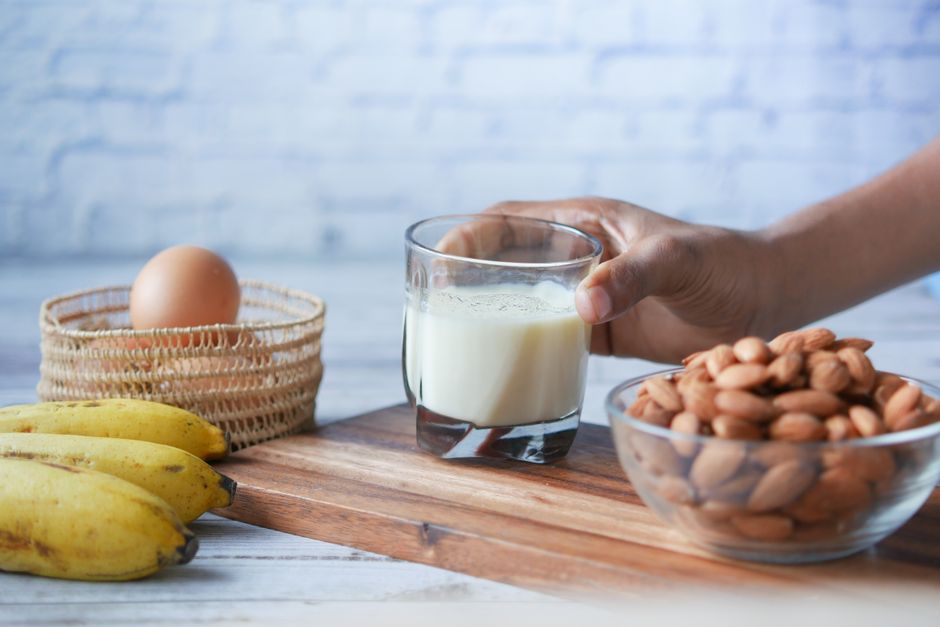
Calcium rich foods include milk, yogurt, cheese, fortified soy milk, calcium-set tofu, canned fish with bones, beans, seeds, and leafy greens like kale and bok choy. For active men, calcium supports bone density, muscle contraction, nerve signaling, and athletic performance—making it essential for both training recovery and long-term durability.
- Dairy sources (yogurt, milk, cheese) deliver 200–300 mg of calcium per serving and are the easiest daily staple.
- Fortified soy milk and calcium-set tofu are the strongest nondairy calcium rich foods, matching dairy gram-for-gram.
- Adult men need about 1,000 mg of calcium daily; spreading intake across 3–4 meals makes the target realistic.
- Canned salmon with bones, white beans, tahini, chia seeds, kale, and bok choy round out intake for variety and nutrition.
- Plant-based eaters need intentional meal planning; research shows lower calcium intake in unplanned plant-based diets.
What defines a calcium rich food?
A calcium rich food delivers a meaningful amount of calcium in a normal serving—enough to move your daily total forward, not just trace amounts.
Most people start with dairy, which is practical. But calcium rich foods also span fortified plant milks, calcium-sulfate tofu, canned salmon or sardines with bones, white beans, sesame-based tahini, and certain greens.
For active men who lift, run, or play sports, calcium is foundational. Your body uses it for muscle contraction, nerve function, and heart rhythm—not just bone health.
Best calcium rich foods to build meals around
The best calcium rich foods are ones you can eat on repeat. You don't need complexity; you need a few dependable staples that fit your normal breakfast, lunch, dinner, and snack routine.
Dairy and cultured dairy options
Milk, yogurt, kefir, and cheese are the most practical calcium rich foods. They're easy to find, portion, and add to meals you already eat.
- Greek or regular yogurt (150–200 mg per 6 oz serving)
- Milk in shakes, oats, coffee, or cereal (300 mg per 8 oz)
- Kefir as a quick drinkable option (150–200 mg per 8 oz)
- Cheese in sensible portions (200 mg per 1 oz)
If dairy works for you, this is usually the easiest path. A bowl of yogurt at breakfast and a glass of milk later in the day cover a solid portion of your 1,000 mg target.
Fortified nondairy calcium rich foods
If you don't eat dairy, fortified soy milk is one of the best replacements because it often matches cow's milk in calcium content. Other plant drinks vary widely, so label reading is essential.
This is why fortified foods matter. A systematic review on nutrient intake in plant-based diets found that calcium intake runs lower in plant-based patterns when not planned intentionally.
Tofu, beans, seeds, and leafy greens
Calcium-set tofu is one of the strongest plant-based calcium rich foods. Check the package label, because calcium levels depend on how the tofu was made (calcium sulfate vs. nigari).
White beans, edamame, tahini, and chia seeds also build your daily total. They may not match dairy gram-for-gram, but consistent use adds up.
Greens are useful too, but not all are equal. Kale and bok choy are better picks than spinach for absorbable calcium. Spinach contains calcium but also compounds that reduce absorption.
Fish with edible bones
Sardines and canned salmon with bones are underrated calcium rich foods. They also deliver protein and omega-3 fats—a strong combination for active men.
One easy move: mix canned salmon with mustard or Greek yogurt, pile it onto whole-grain toast, and add fruit on the side. It's fast, filling, and more useful than another forgettable snack bar.
How to reach your daily calcium target without overthinking
The easiest way to eat more calcium rich foods is to spread them across the day. Most people miss their target when they depend on one food instead of building a routine.
- Start at breakfast: yogurt, milk, fortified soy milk, or calcium-fortified cereal or oats (200–300 mg).
- Add one lunch source: cheese, tofu, beans, or canned fish (150–250 mg).
- Use one smart snack: kefir, cottage cheese, or a smoothie with fortified milk (150–200 mg).
- Round out dinner: greens, beans, tofu, or a dairy-based side (150–250 mg).
A practical day: yogurt at breakfast, fortified soy milk in a smoothie, tofu at lunch, and salmon with greens at dinner. That's how calcium rich foods work best in real life.
If you avoid dairy, planning matters more. A systematic review in younger plant-based eaters also reported lower calcium intake in some plant-based patterns, reinforcing the same point: nondairy can work, but you need to build it intentionally.
Calcium, training, and men's performance
For active men, calcium is not just about bones. Every muscle contraction in the gym or on the field depends on mineral signaling, and calcium is central to that process.
More is not automatically better. The goal is consistent calcium intake. If intake stays low long-term, you're making recovery and durability harder than necessary.
Calcium also works with other habits. Vitamin D, protein, resistance training, sleep, and adequate calories all support strong bones and better performance.
Ongoing research shows that calcium source matters too. A study on the bioaccessibility and tolerability of marine-derived magnesium and calcium sources reminds us that the food source can matter, not just the number on the label.
Common mistakes with calcium rich foods
The biggest mistake is assuming you already get enough. A splash of milk in coffee and one slice of cheese usually doesn't add up to strong daily intake.
- Relying on one source: spreading calcium across meals is easier and more reliable.
- Ignoring labels: fortified foods vary widely by brand and product.
- Overrating low-impact foods: some vegetables contain calcium, but not enough per serving to carry the job alone.
- Forgetting vitamin D: calcium doesn't work in isolation; vitamin D is essential for absorption.
- Assuming all plant milks are equal: many are not fortified at useful levels; check the label.
Another miss is chasing calcium while neglecting overall diet quality. Strong bones and better training outcomes respond best to a full system, not one nutrient in isolation.
Simple meal ideas built around calcium rich foods
If you want this habit to stick, make it automatic. These meals are easy to repeat during a busy week and deliver consistent calcium intake.
Breakfast options
- Greek yogurt with berries, chia seeds, and granola
- Protein smoothie with fortified soy milk and frozen fruit
- Eggs with whole-grain toast and a side of kefir
Lunch options
- Canned salmon salad on whole-grain toast
- Tofu grain bowl with bok choy and sesame dressing
- White bean chili topped with yogurt or cheese
Dinner options
- Chicken with sautéed kale and white beans
- Stir-fry with calcium-set tofu and vegetables
- Pasta with sardines, herbs, and a side salad
The win is repetition. A few calcium rich foods used week after week will do more than a short burst of perfect eating.
FAQ
Which food has the highest calcium?
Among common everyday foods, yogurt, milk, and cheese are often the highest-calcium options per serving. Fortified foods and calcium-set tofu can also be high, depending on the brand and fortification level.
How can I get 1,000 mg of calcium a day?
The simplest approach is to eat 3 to 4 calcium rich foods across the day. For example: yogurt at breakfast (200 mg), fortified soy milk in a shake (300 mg), tofu or beans at lunch (150 mg), and milk, cheese, or canned salmon later (200–300 mg).
Which fruit is high in calcium?
Fruit is usually not a major calcium source. Figs and oranges contribute a little, but dairy, fortified alternatives, tofu, beans, seeds, and fish are much stronger options for reaching your daily target.
What drink is high in calcium?
Milk, fortified soy milk, and kefir are the best calcium-rich drinks. Some fortified orange juices also contain calcium, but whole foods usually deliver a better overall nutrition package.
What are the best nondairy calcium rich foods?
Fortified soy milk, calcium-set tofu, canned sardines, canned salmon with bones, white beans, tahini, chia seeds, kale, and bok choy are the strongest nondairy options for building consistent calcium intake.
Do men over 30 need to care about calcium?
Yes. Men over 30 should prioritize calcium because bone health, muscle function, and long-term physical resilience matter more as the years accumulate. If you train regularly, steady calcium intake is a smart baseline habit.
Bottom line: Calcium rich foods are easy to find, but they need to show up regularly. Build your day around a few reliable staples, pair them with lifting and good sleep, and you give yourself a stronger foundation for performance now and durability later. If your diet is light on calcium, start with one upgrade at breakfast and one at dinner this week.
ActiveMan — Make Your Move
The Modern Guide to Men’s Health, Fitness & Lifestyle.


