
Can You Drink Distilled Water? Safety & Hydration Guide
Can you drink distilled water? Yes—but it may not be ideal for daily use. Learn the pros, cons, and when distilled water makes sense for active men.

Yes, you can drink distilled water. It's safe for healthy adults, but it contains virtually no minerals and rarely ranks as the best everyday hydration choice for active men who train hard and sweat regularly.
- Distilled water is safe for most healthy adults in normal use.
- It has virtually no minerals—no calcium, magnesium, or trace electrolytes that other waters provide.
- It won't strip minerals from your body under typical consumption, but it doesn't contribute them either.
- It's not ideal post-workout without electrolyte replacement after heavy sweating.
- Best practice: Choose safe, good-tasting water you'll actually drink, then cover minerals and electrolytes through food and smart hydration planning.
What is distilled water?
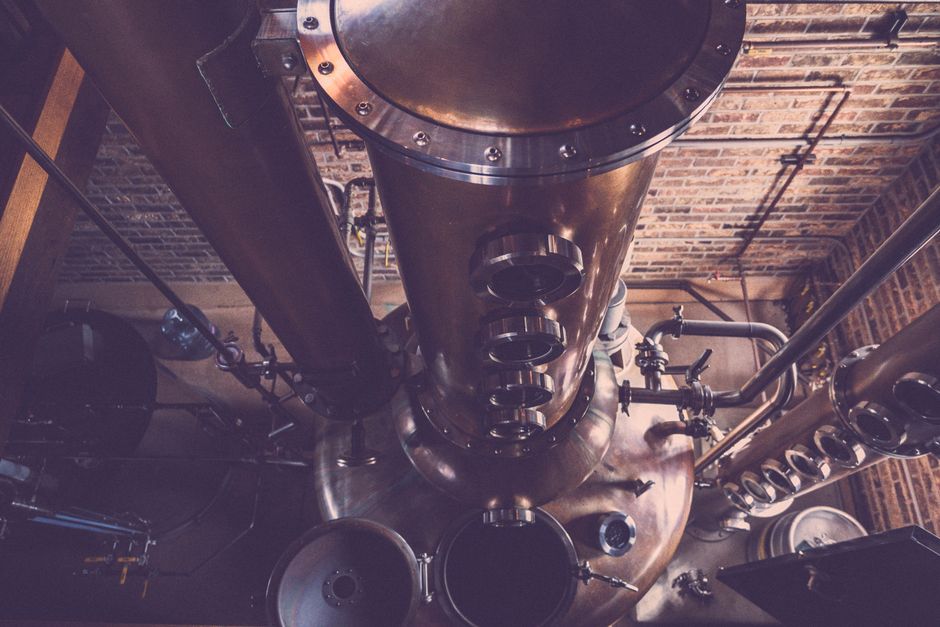
Distilled water is created by boiling water into steam and condensing it back into liquid form. This process removes dissolved solids, minerals, and many contaminants, leaving behind very pure water with minimal mineral content.
The key question isn't whether you can drink distilled water—you can. It's whether distilled water serves your hydration needs better than other safe water sources. Safe and optimal are not always the same.
Distillation is also used in water treatment research to separate unwanted compounds. For example, research on solar distillation systems designed to remove volatile organic compounds demonstrates how distillation supports water purification when contaminant reduction is the priority.
Can you drink distilled water daily?
Yes, you can drink distilled water every day if you're a healthy adult with a nutrient-dense diet. Most minerals your body requires come from food, not water.
However, distilled water has real tradeoffs. Because minerals are removed, it provides no calcium, magnesium, or trace minerals present in tap, spring, or mineral water. If your diet is already weak in minerals, distilled water won't help fill that gap.
Taste matters more than many realize. Water that tastes bland is water people drink less of. This becomes a serious problem if you train intensely, work outdoors, travel frequently, or already struggle with consistent hydration.
For most active men, the practical answer is straightforward: distilled water is acceptable, but usually not the strongest daily choice. Filtered tap water, spring water, or mineral water typically delivers better taste, convenience, and hydration support.
Pros and cons of drinking distilled water
Distilled water has clear advantages and real limitations. Whether it fits your routine depends on your local water quality, diet quality, and how much you sweat.
Pros of distilled water
- Extremely pure: Distillation removes many unwanted substances and dissolved solids effectively.
- Useful for poor water quality: Makes sense for short-term use, travel, or specific home situations where tap water is questionable.
- Predictable composition: Ideal if you specifically want water with minimal dissolved minerals for a particular reason.
Cons of distilled water
- No meaningful minerals: Lacks calcium, magnesium, and other minerals found in alternative water sources.
- Flat taste: Many people simply enjoy it less, which reduces overall intake.
- Poor post-workout choice: Replaces fluid but not sodium or other electrolytes lost through sweat.
- Often overstated: Not automatically healthier than safe filtered tap water or spring water.
Water quality research continues to evolve, especially regarding taste compounds and contaminant removal. Studies have examined earthy-musty odor compounds in drinking water and methods for removing PFAS through ion exchange and destruction. The takeaway: purity matters, but so do taste, consistency, and actual drinking habits.
When distilled water makes sense—and when it doesn't
Distilled water has legitimate uses. It just shouldn't be treated as a universal upgrade for every man, every day.
Distilled water may work well for:
- Short-term use when local water quality is poor or uncertain
- People who specifically want very low-mineral water for a documented reason
- Anyone whose diet already provides adequate mineral intake
Distilled water may be a weaker fit for:
- Men who train hard and lose significant electrolytes through sweat
- Anyone eating a restrictive or nutrient-poor diet
- People who already struggle to maintain consistent hydration
- Outdoor workers, endurance athletes, and lifters exposed to heat who need electrolyte replacement
If you lift, run, hike, or work in heat, plain distilled water alone is insufficient after extended sweat sessions. You need fluid replacement, and depending on duration, intensity, and climate, you may also need sodium and other electrolytes.
A practical approach: match your water choice to your lifestyle. For everyday use, filtered tap water, spring water, or mineral water typically provides a better balance of taste, accessibility, and hydration support. The World Health Organization's guidelines on drinking-water quality outline recommended standards for safe drinking water.
Distilled water vs. purified, filtered, and spring water
Not all clean water delivers the same experience. The label sounds straightforward, but mineral profile and taste can differ significantly.
Distilled water
Made through boiling and condensation. Very pure, very low in minerals, and often tastes flat or bland.
Purified water
A broad category that may use reverse osmosis, deionization, carbon filtration, or other treatment methods. Mineral content and taste vary depending on the purification method used.
Filtered tap water
For most active men, this is the best everyday option. A quality filter improves taste and reduces certain contaminants while keeping cost and convenience reasonable.
Spring or mineral water
These waters contain naturally occurring minerals. For better taste and mineral contribution, they're often a stronger daily choice than distilled water.
If your goal is better hydration, the best water is one that's safe, tastes good, and fits seamlessly into your routine. You don't need to chase distilled water if your regular water source is already clean and enjoyable to drink.
How to use distilled water without compromising hydration
You don't need to avoid distilled water. You just need to use it strategically.
- Use it when appropriate: Occasional drinking is fine; it's not harmful.
- Don't rely on it post-workout: Pair it with electrolytes or a meal containing sodium and minerals after intense training.
- Prioritize diet quality: If your food is nutrient-dense, the mineral deficit from distilled water matters less.
- Monitor your intake: If flat taste reduces how much you drink, switch to water you genuinely enjoy.
For most ActiveMan readers, this is straightforward. If you feel strong, recover well, and stay consistently hydrated, distilled water isn't a major concern. But if you want the simplest everyday answer, a safe, good-tasting water source with some natural mineral content is usually the smarter choice.
FAQ
What happens if you drink distilled water?
It hydrates you. The main difference is the absence of minerals. For most healthy adults, that's not dangerous. The bigger issue is whether it fits your hydration habits, diet quality, and training demands.
Is it bad to only drink distilled water?
Not necessarily, but it's often not ideal. If your diet is strong and you don't lose significant electrolytes through sweat, you can stay hydrated. Still, many people perform better with water that tastes better and contains some natural minerals.
Can distilled water cause mineral deficiency?
By itself, usually not. Most minerals come from food. But if your diet is poor and your only water source also provides no minerals, that combination is suboptimal.
Is distilled water better than tap water?
Not automatically. If your tap water is safe and tastes good—especially after filtration—it may be the better everyday choice. Distilled water is more processed and purer, but not always more practical.
Can you drink distilled water after a workout?
You can, but it's not the best standalone recovery drink after heavy sweating. It replaces fluid, not electrolytes. After long or intense sessions, add sodium through food or an electrolyte drink.
Is distilled water good for your kidneys?
It's not inherently harmful to your kidneys, but there's no clear everyday advantage over other safe drinking water sources. If you have kidney disease, kidney stones, or another medical condition, follow your clinician's guidance.
Bottom line: Yes, you can drink distilled water. But for most active men, it's rarely the optimal daily choice. Pick water that's safe, tastes good, and keeps you drinking enough. Back it up with solid nutrition and smart electrolyte replacement when sweat loss is significant.
ActiveMan — Make Your Move
The Modern Guide to Men’s Health, Fitness & Lifestyle.


