
Best Chest Exercises for Size & Strength | ActiveMan
Master chest exercises for building size, strength, and pressing power. Learn proper form, programming, and variations for complete pec development.

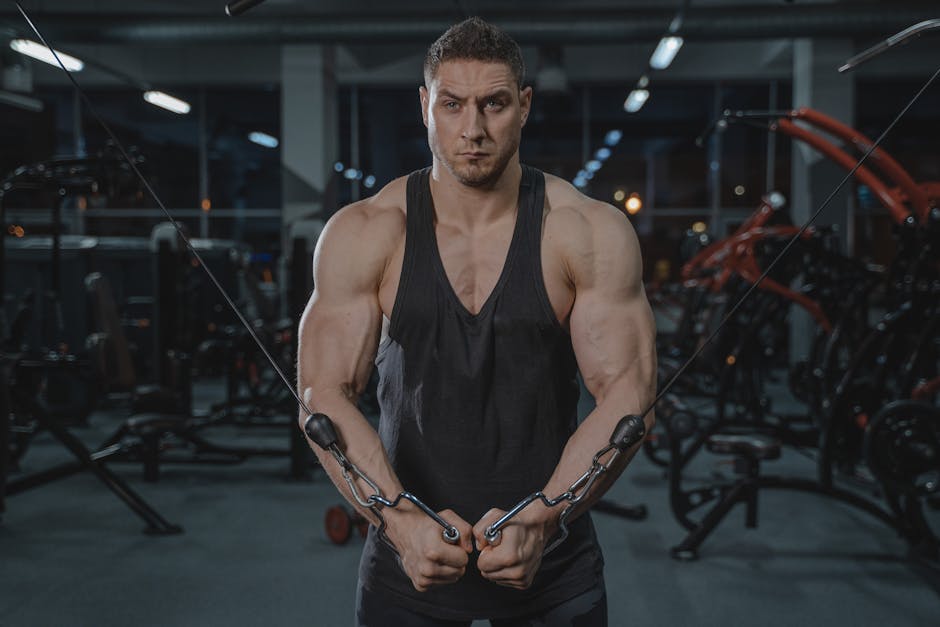
Chest exercises build size, pressing strength, and a balanced upper body. Whether your goal is a stronger bench press, fuller pec development, or better push performance, master a few proven movements and execute them with precision.
For most lifters, the foundation is the barbell bench press. It allows heavy loading, clear progress tracking, and serves as an anchor for other chest exercises like incline presses, dips, and cable work.
What chest exercises work (and why it matters)
The barbell bench press is one of the most effective chest exercises because it trains the pecs through a strong horizontal pressing pattern. Your chest drives the lift, while the front delts and triceps stabilize and finish the rep.
This combination makes chest exercises valuable for both size and strength. Build your program around one main press, then add an incline movement and one accessory that maintains tension on the pecs. Supportive habits matter too. A 2026 Nutrients review of creatine supplementation during resistance training in active adults supports its role in lean mass and strength when paired with consistent lifting.
How to perform the barbell bench press (proper form)
- 1Lie on the bench with your eyes under the bar, feet flat on the floor, and glutes pressed into the pad.
- 2Grip the bar evenly, pull your shoulder blades back and down, and stack your wrists over your elbows.
- 3Unrack the bar, position it over your mid-chest, and lower it under control with forearms close to vertical.
- 4Lightly touch your chest or stop just above it without losing upper-back tension or foot pressure.
- 5Press the bar up with control until your elbows are extended, keeping the bar path steady and your torso tight.
- 6Guide the bar back to the rack and reset before the next rep or set.
Key takeaway: A good bench press feels stable. Keep your feet planted, upper back tight, and bar path controlled. Clean reps build more muscle than rushed reps. For general strength-training safety guidelines, consult the Mayo Clinic's strength-training guide.
Common mistakes in chest exercises (and how to fix them)
Fix: Lower with a more natural elbow angle and keep the forearms stacked. This usually improves chest tension and shoulder comfort.
Fix: Set your shoulder blades before you unrack and hold that upper-back tension through the full set.
Fix: Reduce the weight, control the descent, and earn full reps. For chest growth, better execution beats ego loading.
Sets, reps, and programming for chest exercises
The best chest exercises work when your weekly plan is simple and repeatable. For most men, that means one heavy press, one incline or dumbbell pattern, and one cable or dip variation. Recovery matters as much as volume; practical nutrition choices are key — see Top 10 Protein Foods for Muscle & Recovery. A 2026 meta-analysis on creatine ingestion strategies during resistance training supports the broader point that training consistency, recovery, and nutrition drive better strength and lean mass results.
4-6 sets × 3-6 reps · 2-3 min rest
3-4 sets × 8-12 reps · 60-90s rest
2-3 sets × 12-20 reps · 45-60s rest
If you train chest twice per week, make one day heavier and lower-rep. Use the second day for moderate loads, slower eccentrics, and higher total reps. That approach usually gives better joint comfort and more complete pec development.
Chest exercise variations and alternatives
Barbell incline bench press
Emphasizes the upper chest and front delts. Use this after flat pressing or as your main press on a second chest day.
Barbell decline bench press
Often feels stable and strong. Rotate pressing angles without sacrificing heavy loading or lower-chest emphasis.
Assisted chest dip (kneeling)
Choose this if bodyweight dips are still too advanced or your shoulders prefer a guided path. Trains the chest through a long range with built-in support.
Cable bench press
Provides steady tension, smoother setup changes, and chest work that is easier on the joints. Especially useful for moderate reps and finishing sets.
Chest exercises FAQ
What are the best chest exercises for most men?
The best chest exercises for most men are the barbell bench press, incline bench press, dips, and cable presses or fly variations. Together, they cover heavy loading, upper-chest work, and controlled tension.
Is the bench press enough for chest growth?
The bench press is a strong base, but it is usually not enough on its own for complete chest development. Most lifters do better when they add at least one incline movement and one accessory that keeps tension on the pecs.
How often should you train chest?
For most lifters, training chest 1 to 2 times per week works well. Hitting the muscle more than once each week can improve practice, volume distribution, and recovery.
Are push-ups good chest exercises?
Yes. Push-ups are solid chest exercises, especially for beginners or for extra volume. They are easy to scale with tempo, deficit height, bands, or added weight.
What are three chest exercises to start with?
Start with the barbell bench press, barbell incline bench press, and cable bench press. That gives you one heavy compound, one upper-chest option, and one movement with smooth, constant tension.
How do chest exercises improve pressing strength?
Chest exercises build pressing strength by training the primary movers (pectorals) and stabilizers (delts, triceps) through progressive overload. Consistent practice with proper form and adequate recovery drives adaptation and strength gains.
Bottom line: The best chest exercises are the ones you can perform well, recover from, and progress over time. Build around the bench press, add a smart variation or two, and keep your form sharp.
Use this guide to make your next chest session more intentional. Train hard, recover well, and let steady progress do the work.
ActiveMan — Make Your Move
The Modern Guide to Men’s Health, Fitness & Lifestyle.


