
Complete Protein Foods: All 9 Amino Acids + Best Sources
Complete protein foods contain all 9 essential amino acids. Learn the best animal and plant sources, plus easy meal ideas for muscle and recovery.

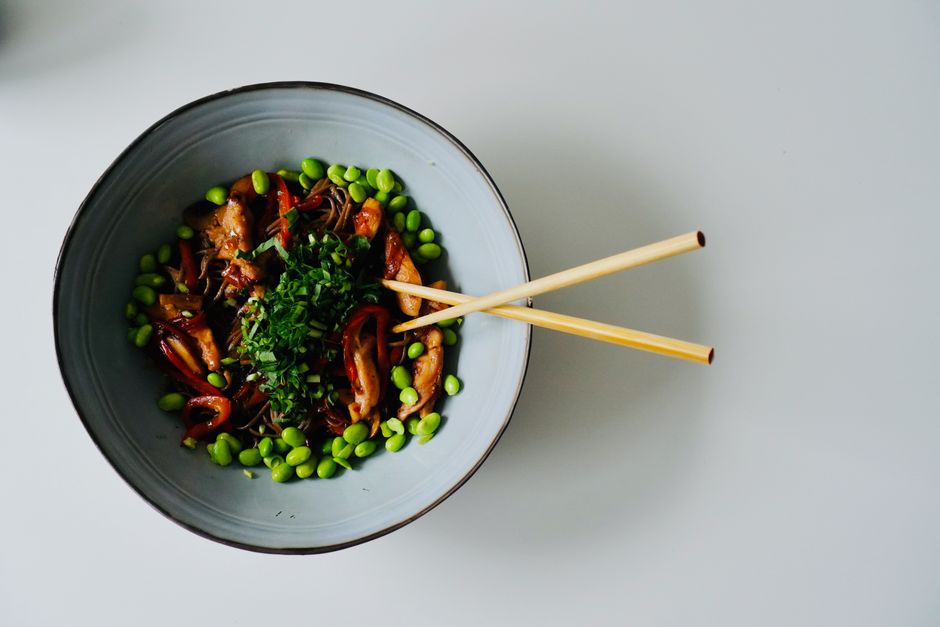
Complete protein foods contain all 9 essential amino acids your body cannot produce. They simplify muscle repair, recovery, satiety, and overall health without requiring meal-by-meal amino acid tracking.
- Animal proteins (eggs, dairy, fish, poultry, meat) are complete protein foods by default.
- Plant-based complete proteins include soy, quinoa, buckwheat, hemp seeds, and chia seeds.
- You don't need every amino acid in one meal; varied daily intake covers amino acid needs.
- For active men, complete protein foods make muscle-supporting meals simpler and more satiating.
- Total daily protein intake matters most, followed by protein quality and meal consistency.
What are complete protein foods?
Complete protein foods deliver all 9 essential amino acids in adequate amounts: histidine, isoleucine, leucine, lysine, methionine, phenylalanine, threonine, tryptophan, and valine.
Your body uses these amino acids to build and repair muscle tissue, maintain lean mass, support immune function, and produce enzymes and hormones. For exercise-focused guidance on protein timing and amounts, see the International Society of Sports Nutrition position stand. For men who train hard, want better body composition, or need meals that sustain fullness, protein quality directly supports those goals.
Most animal-based proteins are complete. Some plant-based foods are complete too. Foods lower in one or more essential amino acids are called incomplete proteins—not inferior, just requiring more dietary variety.
Best complete protein foods: animal-based sources
If you eat animal foods, your best complete protein sources are straightforward and widely available.
- Poultry: chicken breast, turkey
- Beef: lean cuts, ground beef
- Pork: tenderloin, chops
- Fish: salmon, tuna, cod, halibut, tilapia
- Shellfish: shrimp, crab
- Eggs: whole eggs, egg whites
- Dairy: milk, Greek yogurt, cottage cheese, cheese
Build your plate around one of these protein anchors first. Add carbs, vegetables, and healthy fats around it for a balanced meal.
Best complete protein foods: plant-based sources
Plant-based eaters have reliable complete protein options that work well in daily meals.
- Soy foods: tofu, tempeh, edamame
- Grains: quinoa, buckwheat
- Seeds: hemp seeds, chia seeds
- Algae: spirulina
If you rotate soy foods, quinoa, buckwheat, hemp, or chia regularly, you cover complete amino acid needs without overthinking combinations. These foods are nutrient-dense and practical for daily use.
Do you need to combine incomplete proteins at every meal?
No. The idea that you must combine incomplete proteins perfectly at every meal is outdated for healthy adults eating a mixed diet across the day.
Your body draws from amino acids consumed over time. If breakfast includes oats, lunch includes lentils, and dinner includes tofu or eggs, you're covered. Amino acid pools don't reset hourly.
That said, protein combining remains practical for plant-based eaters. It builds more balanced, satisfying, and repeatable meals without requiring complete proteins at every sitting.
Smart protein combinations that work
- Rice and beans
- Lentils and whole grains
- Peanut butter on whole grain bread
- Hummus with pita
- Oats with soy milk and seeds
If your diet leans heavily on legumes, grains, nuts, and seeds, simple variety beats obsessive tracking. Consistency matters more than perfection.
How to use complete protein foods for muscle and appetite control
For active men, complete protein foods are practical because they deliver all essential amino acids in one move. That matters after training, during a cut, or anytime you want meals that hold you over — see our Top 10 Protein Foods for Muscle & Recovery for quick, muscle-focused options and meal ideas.
Practical approach: include a complete protein source in 2 to 4 meals per day. You don't need perfect timing or complicated tracking—just a repeatable setup you can sustain.
Easy meals built around complete protein foods
- Breakfast: eggs, fruit, and Greek yogurt
- Lunch: grilled chicken, rice, and vegetables
- Dinner: salmon, potatoes, and salad
- Plant-based lunch: tofu stir-fry with edamame and rice
- Snack: cottage cheese with berries
Not every protein-containing food is an efficient protein choice. Some are more processed or deliver more fat and calories than the protein yield justifies. That doesn't make them off-limits—just not your default.
For example, USDA FoodData Central lists American cheese singles at 15.6g protein, 8.19g carbs, and 23.9g fat per 100g. A food can contain protein without being the leanest or most practical daily anchor.
Protein quality matters when the body faces extra repair demands. A Cochrane review on nutritional interventions for pressure ulcer prevention and treatment examined how protein-focused nutrition supports tissue repair in high-risk populations. The core principle applies to gym recovery too: protein is foundational when the body needs to rebuild.
What matters more: complete proteins or total protein intake?
Total protein intake matters more. If you miss your daily protein target, chasing a perfect amino acid profile won't fix the bigger problem. First hit your protein goal. Then optimize quality — our High Protein Foods: Best Options for Muscle & Fullness guide lists practical choices to help you meet targets without overcomplicating meals.
For most men, the best strategy is straightforward:
- Base each meal around a clear protein source.
- Choose complete protein foods often.
- Use plant combinations when needed.
- Keep the pattern simple enough to repeat all week.
If you eat omnivorous meals, this is easy to cover with normal foods. If you're vegetarian or mostly plant-based, focus on soy foods, quinoa, buckwheat, dairy, eggs, and smart pairings. The goal is consistency, not perfection.
Research supports this approach. A BMJ systematic review and dose-response meta-analysis of prospective cohort studies found that higher total protein intake was associated with lower all-cause mortality risk, while higher plant protein intake linked with lower all-cause and cardiovascular mortality risk. This reinforces the case for adequate protein from quality sources—not one special food.
FAQ
What foods have all 9 essential amino acids?
Foods with all 9 essential amino acids include meat, poultry, fish, eggs, milk, yogurt, cheese, tofu, tempeh, edamame, quinoa, buckwheat, hemp seeds, and chia seeds. These are the primary complete protein foods most active men should prioritize.
Are eggs a complete protein food?
Yes. Eggs are a complete protein food containing all 9 essential amino acids. They're convenient at breakfast or in high-protein snacks, but most active men need additional protein sources to hit daily targets.
Is quinoa a complete protein?
Yes. Quinoa is a plant-based complete protein food useful for men seeking variety beyond meat and dairy. However, it's lower in total protein per serving than chicken, Greek yogurt, tofu, or fish, so portion size matters.
Do beans count as complete protein foods?
Usually not on their own. Most beans are relatively low in one or more essential amino acids. Pairing them with grains or eating them as part of a varied daily diet solves this in practice.
Is 2 eggs a day enough protein?
Usually no for active men. Two eggs provide a solid start but typically aren't enough for one high-protein meal, let alone the full day. Pair them with Greek yogurt, cottage cheese, milk, turkey, or another protein source for a more substantial meal.
What is the easiest complete protein food to eat daily?
The easiest options for most men are eggs, Greek yogurt, chicken breast, cottage cheese, canned tuna, tofu, and milk. They're simple, widely available, and easy to build into repeatable meals.
The bottom line on complete protein foods
Complete protein foods simplify eating well. They deliver all 9 essential amino acids in one food, supporting muscle repair, meal structure, and sustained fullness.
If you eat animal foods, many of your best options are already familiar. If you lean plant-based, soy foods, quinoa, buckwheat, hemp, and smart combinations still cover the job well.
Keep it practical: choose a strong protein source at each meal, rotate a few complete protein foods you actually enjoy, and make your routine simple enough to repeat. That's where better nutrition becomes automatic.
ActiveMan — Make Your Move
The Modern Guide to Men’s Health, Fitness & Lifestyle.


