
Best Dumbbell Set Guide: How to Choose for Home Gym
Find the best dumbbell set for your home gym. Learn weight ranges, adjustable vs. fixed options, and top picks to build muscle and strength.

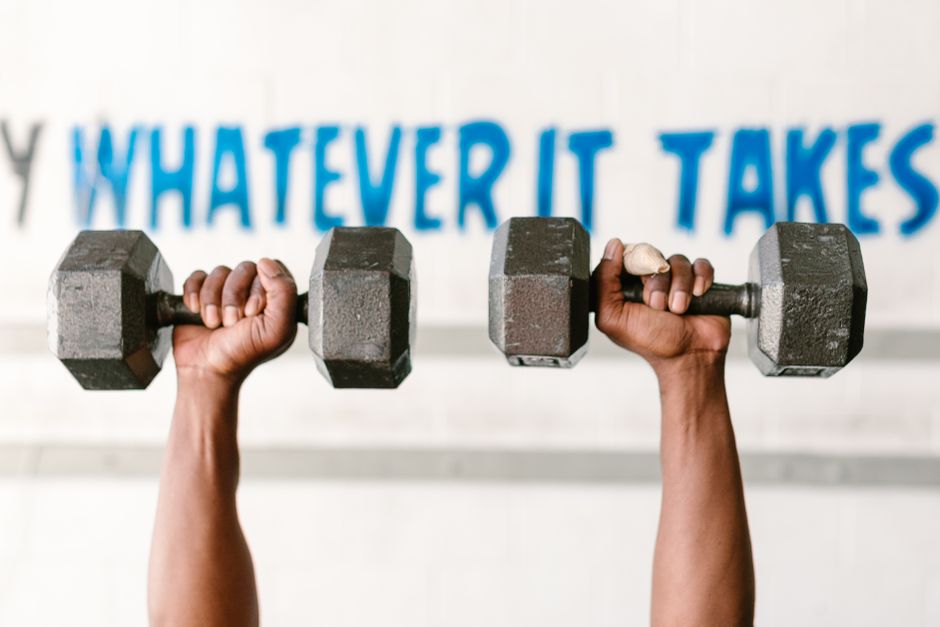
A dumbbell set is one of the best home gym investments because it trains your full body, allows small weight jumps for progression, and saves space. For most men, an adjustable dumbbell set with a broad weight range, fast adjustments, and a secure grip delivers the best value and versatility.
- Adjustable dumbbell sets replace multiple pairs and use 80% less floor space than fixed dumbbells, making them ideal for most home gyms.
- Most men should start with a 5 to 50 pound range; serious lifters often need 70 to 90 pounds for compound movements.
- The best dumbbell set feels secure, adjusts quickly, and stays comfortable under fatigue during presses, rows, and squats.
- A complete set covers presses, rows, squats, lunges, curls, and shoulder work—enough for full-body training without additional machines.
- Top options include Bowflex SelectTech 552, PowerBlock Elite USA 90, Core Home Fitness Adjustable Dumbbell Set, and CAP Barbell Rubber Hex Dumbbell Set.
What makes a good dumbbell set?
The best dumbbell set matches your training level, fits your space, and gives you room to progress. For most home lifters, that means balancing weight range, adjustment speed, grip comfort, durability, and footprint.
If you train three to five days per week at home, an adjustable setup usually delivers the most value. If you have a dedicated gym space and want the fastest transitions, fixed dumbbells still have an edge.
Focus on these buying factors first:
- Weight range: Enough load for rows, presses, squats, lunges, and curls without gaps.
- Increment jumps: Smaller jumps help with shoulder work, isolation lifts, and steady progressive overload.
- Adjustment speed: Fast changes matter if you like supersets, circuits, or short sessions.
- Grip and balance: A handle should feel stable, not slick, bulky, or awkward under load.
- Storage footprint: Your dumbbell set should fit your room without dominating the space.
Resistance training does not need complex equipment to be effective. In older adults, short-term resistance training improved muscle quality in a randomized trial on resistance training and muscle quality. That is a useful reminder that simple tools work when you use them consistently. For a clear overview of strength training benefits and recommendations, see Harvard Health.
Adjustable vs. fixed dumbbell sets: which should you choose?
Choose an adjustable dumbbell set if space and value matter most. Choose fixed dumbbells if you want the most traditional gym feel and have room for a dedicated rack.
Adjustable dumbbell set
An adjustable dumbbell set makes the most sense for apartments, spare rooms, and garage gyms where every square foot counts. You get multiple loads in one compact setup, which makes full-body training much easier at home.
- Best for small spaces and apartments
- Usually more cost-effective than buying many fixed pairs
- Ideal for beginner to intermediate training with room to grow
Well-known options include Bowflex SelectTech 552, PowerBlock Elite USA 90, and Core Home Fitness Adjustable Dumbbell Set. They stay popular because they deliver a broad working range without forcing you to buy a full rack.
Fixed dumbbell set
A fixed dumbbell set is simpler, tougher, and faster to use. You pick it up and start the set—no dial, tray alignment, or selector pin to slow you down.
- Best for fast transitions during high-volume training
- Usually more durable over years of heavy use
- Best for dedicated spaces with room for a permanent rack
If you want the classic rubber hex setup, the CAP Barbell Rubber Hex Dumbbell Set is a straightforward starting point.
How heavy should your dumbbell set be?
Most men should buy a dumbbell set that starts light enough for raises and curls, but goes heavy enough for rows, presses, split squats, and goblet squats. For many home gyms, that means a range of 5 to 50 pounds. If you already train seriously, 70 to 90 pounds may be the smarter ceiling.
If the set is too light, you will outgrow it fast on back, chest, and leg work. If it starts too heavy, your shoulder work and smaller lifts suffer. The goal is range, not just one impressive number.
Use this quick buying guide:
- Beginner: 5 to 25 pounds or 5 to 40 pounds
- Beginner to intermediate: 5 to 50 pounds
- Intermediate to advanced: 5 to 70 pounds or 5 to 90 pounds
Dumbbells work well because they let you load basic movement patterns without rebuilding your setup every time. You can train heavy enough for strength, but also use smaller jumps for muscle-building work and better joint control.
If you want a small performance boost for upper-body sessions, caffeine may help improve training output, according to a study on caffeine's effects during upper-body resistance workouts. That does not change what weight range you need, but it supports the idea that good sessions come from stacking smart basics.
What can you actually do with a dumbbell set?
A quality dumbbell set can cover nearly your whole training week. You can train chest, back, shoulders, arms, legs, and core with a small list of reliable lifts.
These exercises give most men more than enough variety:
- Dumbbell bench press for chest, shoulders, and triceps
- One-arm dumbbell row for upper back and lats
- Dumbbell overhead press for shoulders and triceps
- Dumbbell goblet squat for quads and glutes
- Dumbbell Romanian deadlift for glutes and hamstrings
- Dumbbell split squat for legs and balance
- Dumbbell biceps curl for arms
- Dumbbell lateral raise for side delts
A simple three-day plan works well: one press, one row, one squat or hinge, and one accessory move per session. Add reps, add load, or slow the lowering phase over time, and your dumbbell set will keep producing results.
If your current weights feel light, slower eccentrics can make them more challenging. Research on eccentric loading suggests meaningful strength and power benefits when the lowering phase gets more emphasis, as outlined in a systematic review on accentuated eccentric loading in resistance training.
How to buy the right dumbbell set for your home gym
Buy for the way you actually train. The right dumbbell set should fit your room, cover your strongest lifts, and feel good enough that you keep using it.
1. Measure your space first
If your training area is tight, an adjustable dumbbell set is usually the clear answer. If you have a full garage bay or dedicated room, fixed pairs become more realistic.
2. Buy for your strongest movement
Rows, presses, lunges, and squats will outgrow light weights faster than curls. Do not buy a set based only on arm work.
3. Prioritize handle comfort
Grip feel matters. A handle that is too wide, too slick, or poorly balanced will annoy you on every session, especially when fatigue sets in.
4. Think about adjustment speed
If you like circuits or supersets, slow changeovers kill momentum. A fast system makes the whole workout feel cleaner and more efficient.
5. Spend where it counts
On adjustable models, the weak points are usually the selector system, tray fit, and long-term durability. Paying more can buy a better training experience, not just a prettier finish.
If you are close between two models, choose the one you will enjoy using three times a week. That is usually the smarter investment than chasing a slightly lower price.
FAQ
What is the best dumbbell set to buy?
The best dumbbell set for most home gyms is an adjustable model with a broad weight range, quick changes, and a solid grip. For many men, the Bowflex SelectTech 552 or PowerBlock Elite USA 90 is a practical starting point because both save space and cover a wide range of training needs.
Is a dumbbell set worth it?
Yes. A dumbbell set is one of the highest-value pieces of home gym equipment because it lets you train presses, rows, squats, lunges, curls, and shoulder work with one compact setup.
Should I get 10 or 15 pound dumbbells?
If you are choosing one pair, 15-pound dumbbells usually give most healthy adult men more room to progress. But the better long-term move is a dumbbell set with several increments so you are not locked into one weight.
Can you build muscle with dumbbells only?
Yes. You can build muscle with dumbbells alone if you train hard, use enough resistance, and increase reps, load, or control over time. A well-chosen dumbbell set is enough for a full-body hypertrophy plan.
Is there a difference between cheap and expensive dumbbells?
Usually, yes. Better dumbbells often have more secure adjustment systems, better handle feel, tighter tolerances, and a more durable finish. A cheaper dumbbell set can still work, but the user experience is often where you notice the gap.
Are 20 pound dumbbells enough to build muscle?
20-pound dumbbells can build muscle for beginners and for higher-rep isolation work. They become limiting fast for stronger lifters on rows, presses, and lower-body training, which is why a full dumbbell set is the better long-term option.
Final word
A well-chosen dumbbell set can handle almost your entire home training plan. If you want the best balance of versatility, value, and space savings, go adjustable. If you want maximum simplicity and durability, fixed dumbbells still make a strong case.
Keep the decision simple: buy enough weight to grow, choose a system you will not hate using, and build your training around presses, rows, squats, hinges, and carries. Pick the right set now, and your home gym will feel sharper, more useful, and easier to stick with.
ActiveMan — Make Your Move
The Modern Guide to Men’s Health, Fitness & Lifestyle.


