
Fiber Foods Highest: 25 Best High-Fiber Foods for Men
Discover the 25 best high-fiber foods for men. Learn daily fiber targets, gut-health benefits, and easy ways to eat more fiber without bloating.

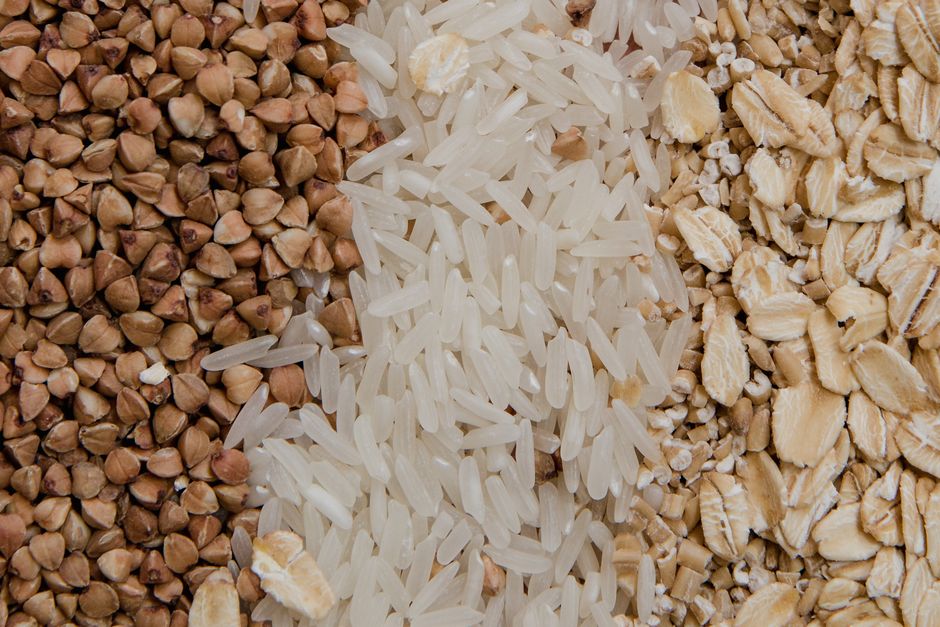
The fiber foods highest in practical value for men are chia seeds, lentils, beans, artichokes, berries, oats, pears, avocados, and high-fiber vegetables. These high-fiber foods support digestion, appetite control, steadier energy, heart health, and healthier cholesterol levels without making your diet feel restrictive.
- Most men should aim for 30 to 38 grams of fiber per day based on nutrition guidance.
- Beans, lentils, chia seeds, split peas, and artichokes rank among the highest-fiber foods you can build meals around.
- The strongest high-fiber diet combines legumes, fruit, vegetables, whole grains, nuts, and seeds—not one magic food.
- If your current intake is low, increase fiber gradually and drink more water to reduce bloating and constipation.
- A simple daily target: 8 to 10 grams at breakfast, 10 to 12 at lunch, and 10 or more at dinner.
Why high-fiber foods matter for men
Fiber helps more than regularity. A higher-fiber diet supports fullness, better blood sugar control, lower LDL cholesterol, and a healthier gut microbiome. That matters whether you want to lean out, eat better for training, or stop feeling sluggish after heavy meals.
Most men do not get enough. Common guidance puts the target at 30 to 38 grams per day, but many adults fall short. The usual reason is simple: too many ultra-processed foods and not enough whole plant foods with real fiber density.
There are two main types of fiber. Soluble fiber helps with cholesterol and blood sugar control. Insoluble fiber moves food through the digestive tract. Most whole foods give you a mix, which is why variety works better than chasing one "perfect" source.
For reference, food composition data from the USDA FoodData Central is one of the best ways to compare fiber per serving, and clinical research indexed on PubMed consistently links higher fiber intake with better cardiometabolic health. For a readable overview of fiber's benefits, see the Harvard T.H. Chan School of Public Health.
1. Chia seeds
Chia seeds are one of the easiest ways to raise fiber fast. A small serving adds significant fiber, plus omega-3 fats and minerals. Stir them into oats, Greek yogurt, or smoothies, or make chia pudding for a low-effort breakfast that delivers real nutrition.
2. Lentils
Lentils are among the best high-fiber foods for men who train. They pair fiber with plant protein, which helps with fullness and meal quality — if you're focused on training goals, check our guide on how much protein to eat to gain muscle. Use lentils in soups, grain bowls, curries, or mixed into ground meat for tacos and pasta sauces.
3. Black beans
Black beans are among the fiber foods highest in everyday usefulness. They are affordable, filling, and easy to work into chili, burrito bowls, salads, and rice dishes. If you need one staple that makes your diet better with almost no effort, start here.
4. Kidney beans
Kidney beans deliver big fiber numbers and serious staying power. They fit especially well in stews and chili. Canned beans are fine for convenience; rinsing them reduces extra sodium and improves taste.
5. Split peas
Split peas are one of the most overlooked high-fiber foods. They make thick, satisfying soups and hold up well in meal prep. If you want a cheap, cold-weather staple that actually fills you up, split peas deserve a spot in your rotation.
6. Chickpeas
Chickpeas are versatile, filling, and easy to keep on hand. Use them in hummus, roast them for a crunchy snack, or toss them into salads, pasta, and grain bowls. They are a smart option for men trying to snack less but eat more real food.
7. Artichokes
Artichokes are one of the highest-fiber vegetables you can eat. They offer a lot of bulk for relatively few calories, which helps with fullness. Steam them whole, or use artichoke hearts in omelets, pasta, and sheet-pan meals.
8. Raspberries
Raspberries are one of the best fruits for fiber. They bring strong flavor, useful fiber, and a lighter calorie load than many snack foods. Add them to yogurt, oatmeal, or protein bowls when you want something sweet that still supports your nutrition.
9. Pears
Pears are underrated and surprisingly effective for fiber. Keep the skin on to get more of the benefit. They travel well, need no prep, and make a better mid-day option than most vending-machine snacks.
10. Avocados
Avocados give you fiber plus healthy fats. That combo makes meals more satisfying and helps curb the urge to keep grazing. Add them to eggs, wraps, rice bowls, tacos, or burgers when you want a simple upgrade that feels substantial.
11. Oats
Oats are one of the smartest breakfast carbs for men. They contain beta-glucan, a soluble fiber linked with cholesterol benefits. They also pair well with protein, fruit, and seeds, making it easy to build a breakfast that keeps you full longer.
12. Barley
Barley is one of the best whole grains for fiber. It is hearty, budget-friendly, and excellent in soups or as a swap for white rice. If your usual carb choices are getting repetitive, barley adds more texture and nutritional value.
13. Bran cereal
Bran cereal can be a useful shortcut. Some brands offer a lot of fiber in one bowl, but labels matter. Look for options with high fiber and lower added sugar, not cereals that are basically dessert in disguise.
14. Quinoa
Quinoa beats many refined grain sides on fiber. It also brings extra protein and cooks fairly fast. Use it in meal prep when you want something lighter than pasta but more satisfying than plain white rice.
15. Sweet potatoes
Sweet potatoes are a reliable carb source with useful fiber. Keep the skin on when possible. They also provide potassium and work well in training-focused meals when you want a carb that offers better satiety than chips, fries, or refined breads.
16. Brussels sprouts
Brussels sprouts are one of the best high-fiber vegetables for men. Roast them with olive oil, salt, and black pepper until crisp at the edges. Done right, they are far better than their old reputation suggests.
17. Broccoli
Broccoli earns its place on this list. It gives you fiber, volume, and a strong micronutrient profile. It is also easy to add to stir-fries, omelets, pasta, or meal-prep containers without much planning.
18. Green peas
Green peas provide more fiber than most people expect. They are an easy freezer staple and take almost no prep. Mix them into rice, chicken dishes, soups, or pasta when your meal needs a fast nutrition upgrade.
19. Carrots
Carrots are not the highest source, but they are one of the easiest to eat consistently. They help build a strong daily fiber baseline, especially as a snack. Raw carrots also bring crunch, which makes them a useful swap for processed salty snacks.
20. Apples
Apples stay on every serious fiber list because they are practical. They are portable, inexpensive, and easy to keep around. Eat them with the skin on for more fiber, and pair them with nuts or yogurt if you want a more filling snack.
21. Oranges
Whole oranges beat orange juice when fiber matters. You still get the fresh citrus hit, but with more chewing and better satiety. They are a smart option when you want something refreshing that does more than just deliver sugar.
22. Almonds
Almonds offer fiber, healthy fats, and a solid crunch factor. They work well as a desk snack or travel snack, but portions count because calories add up quickly. A measured serving is the move, not a bottomless bag.
23. Pistachios
Pistachios are one of the better nuts for controlled snacking. The shells slow you down, and the fiber helps with fullness. That makes them especially useful for men who tend to overeat at night.
24. Flaxseeds
Ground flaxseeds are an easy add-on for more fiber. Mix them into oatmeal, yogurt, smoothies, or pancake batter. Ground flax generally works better than whole because your body can use it more effectively.
25. Popcorn
Air-popped popcorn is a legit high-fiber snack. It is a whole grain, high in volume, and easier to fit into a smart eating plan than many packaged snack foods. Keep the heavy butter, sugar, and candy coatings in check if you want the benefits without the downside.
How to build a high-fiber day without overthinking it
The easiest way to hit your fiber target is to spread it across the day. Instead of relying on one giant salad or one supplement, build each meal around at least one real source from fruit, vegetables, legumes, whole grains, nuts, or seeds.
A simple one-day high-fiber template
- Breakfast: oats with chia seeds, raspberries, and Greek yogurt
- Lunch: quinoa bowl with chicken, black beans, avocado, and broccoli
- Snack: pear plus pistachios
- Dinner: salmon, sweet potato, and Brussels sprouts
That kind of day can put many men in the 30-gram-plus range without leaning on fiber supplements. It is also easier to keep doing than trying to overhaul your diet overnight.
How to increase fiber without wrecking your stomach
Go up slowly if your intake is low now. Jumping from 10 grams a day to 35 in one shot can leave you bloated, gassy, or constipated. Increase your intake over a week or two and raise your fluid intake as fiber goes up.
If you have IBS, a bowel condition, or take medication that affects digestion, it is smart to ask a clinician what pace makes sense. More fiber is not always better if your gut does not tolerate it well.
What the evidence says about fiber and men's health
The research is consistent: higher fiber intake is associated with better cardiometabolic health. Reviews indexed on PubMed have linked fiber with improvements in cholesterol, blood sugar management, bowel regularity, and satiety. Food data from USDA FoodData Central also makes it clear which foods give you the most fiber per serving.
For men in their 30s, 40s, and beyond, that matters. Fiber is not just about digestion. It can make meals more filling, help support healthier blood lipids, and make it easier to stay consistent with body-composition goals when stress and schedule start working against you.
FAQ
What can I eat to get 25 grams of fiber daily?
A simple plan is oats with chia and berries at breakfast, a bean-based lunch, fruit and nuts as a snack, and vegetables with a sweet potato at dinner. If your meals regularly include legumes, whole grains, fruit, and vegetables, 25 grams is realistic without supplements.
What is the #1 food high in fiber?
There is no single perfect winner because serving size changes the ranking, but chia seeds, lentils, beans, and artichokes are usually near the top. The best high-fiber food is the one you will eat often enough to matter.
What fiber should you take on a GLP-1?
If you are using a GLP-1 medication, a food-first approach is usually the safest place to start: oats, fruit, vegetables, beans, and other moderate portions of fiber-rich foods. Some people also use psyllium, but tolerance varies. Because GLP-1 drugs can slow digestion, check with your prescriber before adding any fiber supplement.
What is the best source of fiber for men?
The best source is usually a mix of legumes, berries, oats, vegetables, nuts, and seeds. Beans and lentils stand out because they deliver both fiber and protein, which makes meals more filling and useful for men trying to eat better without getting overly complicated.
How much fiber is too much per day?
Most men benefit from 30 to 38 grams daily, but going above 50 grams without medical reason can cause bloating, gas, and digestive discomfort. The key is gradual increase and adequate water intake. If you have a digestive condition, ask your doctor about your personal limit.
Can you get enough fiber without supplements?
Yes. Whole foods like beans, lentils, oats, berries, and vegetables easily deliver 30+ grams per day. Supplements are useful for convenience or specific medical situations, but food-first is always the stronger approach for long-term health and satiety.
The bottom line
If you want the fiber foods highest in real-life value, build your routine around beans, lentils, chia seeds, oats, berries, fruit, and vegetables you can eat every week. That is the approach that supports better digestion, steadier energy, and smarter appetite control without turning nutrition into a full-time job.
Start with one move: add three high-fiber foods from this list to your next grocery run. Lock those in, then add three more. That is how you build a diet that feels sharper, lighter, and easier to stay on top of in 2026.
ActiveMan — Make Your Move
The Modern Guide to Men’s Health, Fitness & Lifestyle.


