
Foods With Fiber: Best High-Fiber Foods to Eat Daily
Discover the best foods with fiber, how much you need, and easy ways to eat more each day for better digestion, fullness, and steady energy.

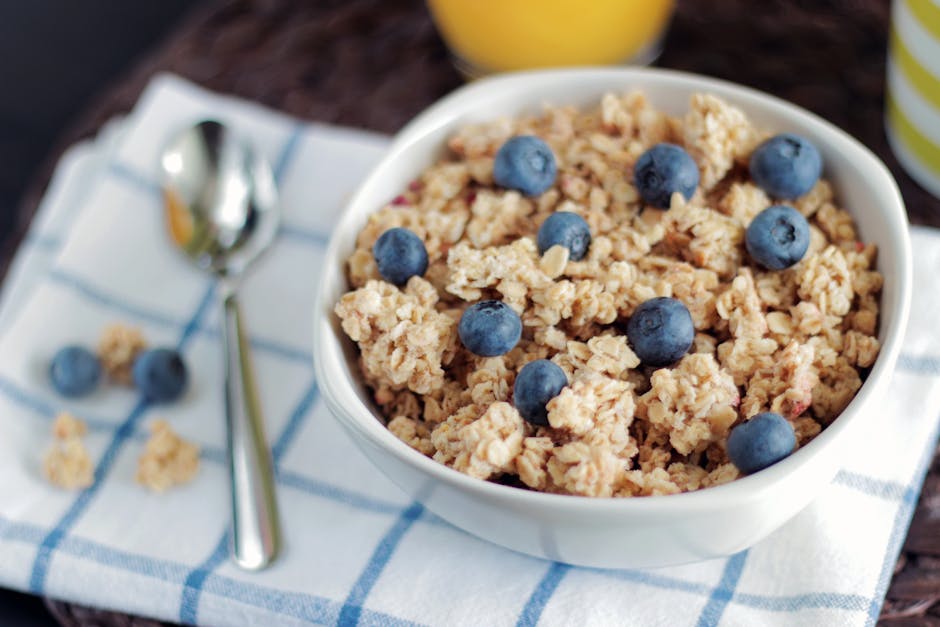
The best foods with fiber are beans, lentils, oats, berries, pears, vegetables, nuts, and seeds. Eat them consistently and you get better digestion, steadier energy, and meals that keep you full longer without complicating your routine.
- Beans, lentils, chia seeds, oats, berries, pears, broccoli, and whole grains are the most practical high-fiber foods to eat on repeat.
- Most men do better with a mix of fiber-rich foods spread across the day instead of relying on one "healthy" meal.
- Higher fiber intake is linked with better long-term health outcomes, including body weight and cardiometabolic health, as seen in a series of systematic reviews and meta-analyses on carbohydrate quality.
- If you want more fiber without stomach issues, increase intake gradually and drink more water.
- The simplest upgrade is to replace low-fiber processed carbs with legumes, oats, fruit, vegetables, and whole grains.
Why foods with fiber matter more than most guys think
Fiber is the part of plant food your body does not fully digest, and that is exactly why it works. It supports regular digestion, adds fullness to meals, and feeds beneficial gut microbes.
That matters if you are trying to lean out, keep energy stable, or stop raiding the kitchen an hour after eating. Meals built around high-fiber foods usually have more volume and better carbohydrate quality.
That pattern works in the real world. In a randomized inpatient trial comparing ultra-processed and unprocessed diets, people ate more calories and gained weight on the ultra-processed diet. A separate systematic review on ultra-processed food intake and obesity found similar associations. More whole, fiber-rich foods is one of the simplest ways to shift your diet in a better direction.
The best foods with fiber to eat regularly
The best high-fiber foods are the ones that fit your routine. You do not need a perfect meal plan. You need a short list of staples you will actually buy, prep, and eat.
Legumes: beans, lentils, and peas
Beans, lentils, split peas, and edamame are some of the strongest fiber-rich foods you can build meals around. They are affordable, filling, and easy to add to bowls, soups, tacos, and salads.
- Black beans
- Chickpeas
- Lentils
- Split peas
- Edamame
Whole grains: oats, barley, and brown rice
Whole grains give you fiber plus useful training fuel. For active men, they are an easy way to improve meal quality without living on sugary snacks or low-satiety carbs.
- Oats
- Barley
- Quinoa
- Brown rice
- Whole wheat bread and pasta
Fruit: berries, pears, and apples
Fruit is one of the easiest ways to eat more foods with fiber every day. Keep the skin on when it makes sense, since that is where much of the fiber sits.
- Raspberries and blackberries
- Pears
- Apples
- Oranges
- Avocados
Vegetables: broccoli, Brussels sprouts, and sweet potatoes
Vegetables add fiber with plenty of food volume for relatively few calories. That makes them useful for appetite control, better meal balance, and body-composition goals.
- Broccoli
- Brussels sprouts
- Carrots
- Sweet potatoes
- Artichokes
Nuts and seeds: chia, flax, and almonds
Nuts and seeds are compact high-fiber foods that also bring healthy fats and texture. Use them to improve oatmeal, yogurt, smoothies, salads, and snack plates.
- Chia seeds
- Ground flaxseed
- Almonds
- Pistachios
- Pumpkin seeds
How to eat more foods with fiber without overthinking it
The easiest way to eat more fiber is to spread it across the day. Do not wait for one "healthy dinner" to fix a low-fiber routine.
Start with breakfast. Oatmeal with berries and chia works. Greek yogurt with fruit, nuts, and ground flax works too. If you prefer savory, eggs with avocado and whole grain toast is a solid move. If you want ideas for protein that pair with these fiber staples, check High Protein Foods: Best Options for Muscle & Fullness.
At lunch and dinner, use a simple formula: protein + vegetable + whole grain or legume + healthy fat. Think chicken, roasted broccoli, brown rice, and olive oil. Or salmon, lentils, greens, and potatoes with the skin on.
For snacks, choose real fiber-rich foods instead of acting like bars and powders are the answer. Fruit, roasted chickpeas, trail mix, edamame, or whole grain crackers with hummus all work.
- Swap white toast for whole grain toast
- Add beans to chili, salads, burrito bowls, and soups
- Keep frozen berries and vegetables on hand
- Choose potatoes with skin instead of fries
- Add chia or flax to shakes, oats, or yogurt
What fiber does for gut health, fullness, and better diet control
Foods with fiber do more than help you stay regular. They can make meals more satisfying and make your diet easier to stick to.
Fiber also supports the gut microbiome. In a Cell review on gut-microbiota-targeted diets, higher intake of fiber-rich foods was linked with meaningful shifts in microbiota activity and immune markers. For more on how gut health links to mood and cognition, see Gut health and mental wellness. You do not need to obsess over gut health to benefit. You just need to eat more plants more often.
Large evidence reviews support the bigger picture. A Lancet review of carbohydrate quality found that higher fiber intake was associated with lower risk across several major health outcomes. And a systematic review on dietary fiber and whole grains in diabetes management supports the value of fiber-rich eating patterns for blood sugar management. For a practical overview of fiber's role in health and tips for increasing intake, see the Harvard Nutrition Source's guide to fiber.
If your goal is fat loss, the benefit is practical. Higher-fiber meals usually mean more chewing, more volume, slower eating, and better appetite control. That can help you stay on plan without relying on willpower all day.
Common mistakes when adding foods with fiber
The biggest mistake is doing too much too fast. Going from low fiber to a very high-fiber diet overnight can leave you bloated, gassy, and convinced fiber does not agree with you.
Instead, build gradually. Add one or two more fiber-rich foods each day for a week, then add more. Your gut usually adapts better when you increase intake in steps.
Another mistake is ignoring fluids. Fiber and hydration work together. If you eat more fiber but barely drink water, digestion may feel worse before it feels better.
Also, do not treat supplements like a free pass to avoid produce, legumes, and whole grains. Fiber powders can help in some situations, but whole foods bring nutrients, texture, and satiety that powders cannot fully replace.
Easy high-fiber meal ideas for active men
Good nutrition sticks when it feels normal. These ideas make it easy to keep high-fiber foods in rotation during a busy week.
- Breakfast: oats, whey, berries, chia, and peanut butter
- Lunch: grilled chicken bowl with quinoa, black beans, peppers, and avocado
- Dinner: salmon, roasted Brussels sprouts, and baked sweet potato with skin
- Snack: apple with almonds
- Snack: Greek yogurt with raspberries and ground flax
- Meal prep option: turkey chili with beans and extra vegetables
Keep it simple and repeatable. The best foods with fiber are not exotic. They are the staples that make your meals better, your hunger easier to manage, and your routine easier to maintain.
FAQ
What foods are highest in fiber?
The highest-fiber foods usually include beans, lentils, split peas, chia seeds, flaxseed, berries, artichokes, pears, oats, and bran-rich whole grains. If you want the shortest answer, start with legumes, berries, and seeds.
How do you get enough fiber every day?
The most reliable approach is to spread foods with fiber across each meal. A simple day could include oats and berries at breakfast, a grain or bean bowl at lunch, fruit and nuts as a snack, and vegetables plus lentils or potatoes with skin at dinner.
What fiber foods work well if you are taking a GLP-1?
If you are using a GLP-1 medication, food usually comes before supplements. Gentle options like oats, fruit, cooked vegetables, chia, and moderate portions of beans can work well. If you are considering a supplement, check with your clinician so it fits your digestion and medication plan.
What drinks can add fiber?
Chia water and smoothies made with whole fruit can add fiber. The key is keeping the whole ingredients. Juice is different, since removing the pulp removes much of the fiber too.
Is one food enough to cover all your fiber needs?
No. One food can help, but a better move is variety. Foods with fiber work best as a mix of legumes, fruit, vegetables, whole grains, nuts, and seeds. That gives you better overall nutrition and makes meals easier to enjoy long term.
Bottom line
Foods with fiber are one of the easiest upgrades you can make to your diet. They help with fullness, digestion, gut health, and meal quality. For most men, the fastest win is replacing low-fiber processed carbs with beans, oats, berries, vegetables, fruit, and whole grains.
Start small, stay consistent, and build meals you will actually repeat. Do that, and fiber stops sounding like nutrition homework and starts working like a real advantage.
ActiveMan — Make Your Move
The Modern Guide to Men’s Health, Fitness & Lifestyle.


