From the Gym to the Bedroom: What Does Research Really Say About Functional Mushrooms?

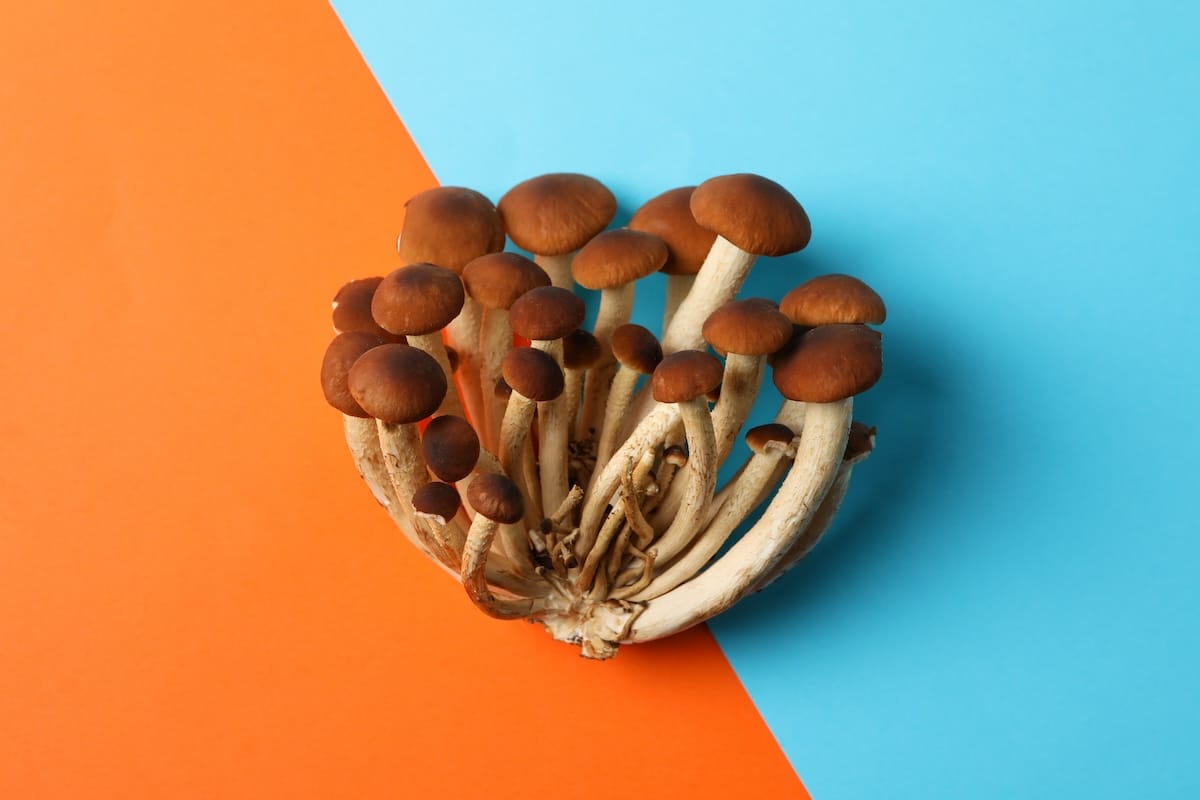
Functional mushrooms are everywhere right now.
They’re in pre-workouts, nootropic coffees, testosterone boosters, and even libido supplements. Claims range from better workouts to sharper focus to stronger performance in the bedroom.
But here’s the real question:
What does research actually say about functional mushrooms—and what’s just marketing?
This guide cuts through the hype. We’ll look at the most popular functional mushrooms, what the science supports, where benefits are promising but limited, and how men can use them intelligently for performance, energy, and overall health.
What Are Functional Mushrooms?
Functional mushrooms are non-psychoactive mushrooms used for their potential health benefits rather than calories or flavor.
They’ve been used for centuries in traditional medicine systems, but modern interest focuses on their bioactive compounds, including:
- Beta-glucans
- Triterpenes
- Polysaccharides
- Ergothioneine
Research from the National Institutes of Health shows these compounds may influence immune function, inflammation, energy metabolism, and neurological health.
For men, the appeal is performance—physical, cognitive, and sexual.
Functional Mushrooms and Physical Performance (Gym Benefits)
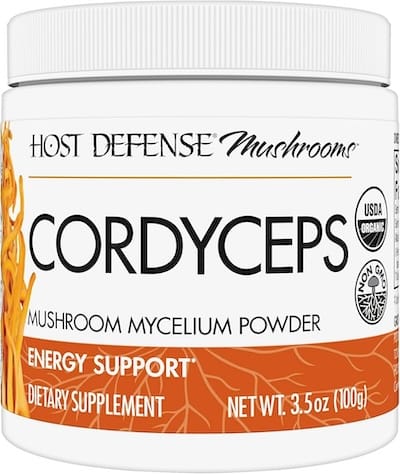
Cordyceps: The Endurance Standout
Cordyceps is the most studied functional mushroom for exercise performance.
What the research suggests:
- Improved oxygen utilization
- Increased ATP production
- Potential boost in aerobic capacity
A study published in the Journal of Dietary Supplements found that cordyceps supplementation improved exercise performance markers in older adults, particularly during endurance-based activity.
What this means for men:
- More useful for conditioning, cardio, and high-volume training
- Less impactful for maximal strength or hypertrophy
Reishi: Recovery Over Raw Performance
Reishi doesn’t boost workouts directly—but it may support recovery.
Research indicates reishi may:
- Reduce exercise-induced inflammation
- Support sleep quality
- Modulate stress hormones
Better recovery means more consistent training, which matters more than single-session performance.
Brain Health, Focus, and Stress Resilience
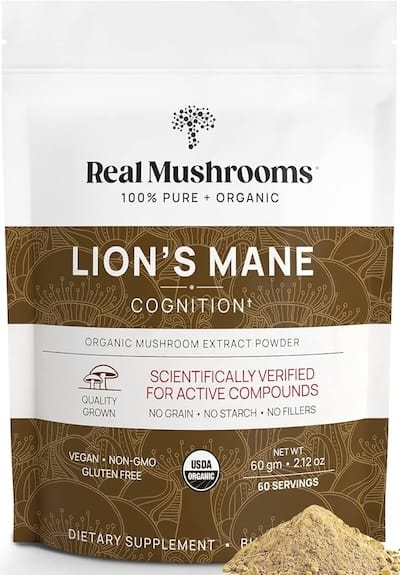
Lion’s Mane: Cognitive Function and Nerve Support
Lion’s mane is the most compelling functional mushroom for brain health.
Research published in the Journal of Neurochemistry suggests lion’s mane may stimulate nerve growth factor (NGF), a protein critical for neuron health and plasticity.
Potential benefits include:
- Improved focus and clarity
- Better memory recall
- Reduced mental fatigue
For men balancing training, work stress, and sleep debt, this cognitive support is often where lion’s mane shines most.
Stress, Anxiety, and Mental Load
Several functional mushrooms are considered adaptogens, meaning they help the body adapt to stress rather than overstimulate it.
Commonly cited benefits:
- Improved stress tolerance
- Calmer baseline mood
- Better sleep quality
This matters because chronic stress directly suppresses testosterone, libido, and recovery.
From the Gym to the Bedroom: Libido and Sexual Health
This is where claims get loud—and evidence gets thinner.
Do Functional Mushrooms Boost Testosterone?
Currently, no strong human evidence shows functional mushrooms directly increase testosterone in healthy men.
However, indirect effects matter:
- Reduced stress and cortisol
- Improved sleep quality
- Better metabolic health
All three support normal testosterone function over time.
Blood Flow, Energy, and Libido
Cordyceps has been traditionally associated with libido support due to its effects on energy metabolism and circulation.
Animal studies suggest possible improvements in:
- Sperm parameters
- Sexual behavior markers
But human data remains limited. According to reviews in the Journal of Ethnopharmacology, claims around sexual performance should be considered supportive, not primary benefits.
Translation:
Functional mushrooms may help set the stage—but they’re not a replacement for sleep, training, nutrition, or cardiovascular health.
Immune Health, Inflammation, and Longevity
Chaga and Turkey Tail: Immune Support
Some functional mushrooms are better known for immune modulation than performance.
Research highlights:
- Enhanced immune signaling
- Antioxidant activity
- Reduced chronic inflammation
Lower systemic inflammation supports:
- Better recovery
- Improved metabolic health
- Long-term cardiovascular function
These benefits matter most for men thinking beyond aesthetics toward longevity and resilience.
How to Use Functional Mushrooms Correctly
Dosage and Form Matter
Not all mushroom supplements are equal.
Look for:
- Fruiting body extracts (not just mycelium)
- Standardized beta-glucan content
- Transparent third-party testing
Typical daily ranges:
- Lion’s Mane: 500–1,500 mg
- Cordyceps: 1,000–2,000 mg
- Reishi: 1,000–2,000 mg
Consistency matters more than timing.
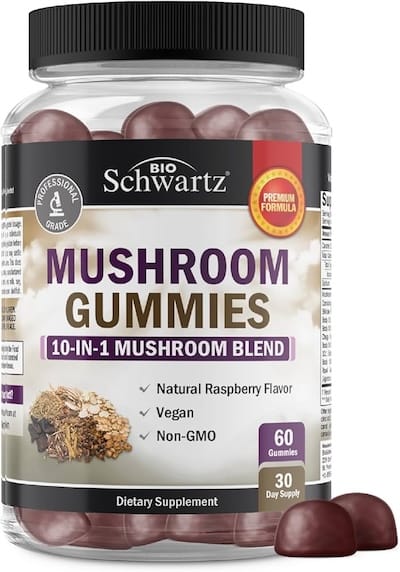
Are Mushroom Blends Better?
Blends can be useful—but only if doses are meaningful.
Avoid “fairy dust” formulas that include many mushrooms at ineffective amounts.
Safety and Side Effects
Functional mushrooms are generally well tolerated.
Possible side effects:
- Mild digestive discomfort
- Headaches (rare)
- Allergic reactions in sensitive individuals
The Mayo Clinic notes that supplements can interact with medications, especially immunosuppressants.
If you have autoimmune conditions or take prescription meds, consult a professional.
FAQ: Functional Mushrooms
Do functional mushrooms actually work?
Some benefits are supported by research, particularly for cognition, stress, and endurance. They are supportive—not magic.
Are functional mushrooms safe for daily use?
Yes, for most healthy adults at recommended doses.
Can functional mushrooms replace pre-workout supplements?
No. They don’t provide stimulatory effects like caffeine but may support long-term energy and recovery.
Do functional mushrooms improve libido?
Indirectly, through stress reduction and energy support—not as a direct aphrodisiac.
How long before results appear?
Cognitive and stress-related benefits often appear within 2–4 weeks of consistent use.
Conclusion: Functional Mushrooms Are Tools, Not Miracles
Functional mushrooms aren’t snake oil—but they’re not shortcuts either.
The research supports real benefits for:
- Focus and cognitive health
- Stress resilience
- Endurance and recovery
- Immune and long-term health
When used correctly, they can support performance from the gym to the bedroom—by improving the systems that actually matter.
Think of functional mushrooms as part of a bigger equation:
Train hard. Sleep well. Eat like an adult. Supplement intelligently.
ActiveMan — Make Your Move
The Modern Guide to Men’s Health, Fitness & Lifestyle.