
Incline Dumbbell Curls: Proper Form, Muscles & Programming
Master incline dumbbell curls with proper form, bench angles, muscles worked, and programming. Eliminate momentum and build bigger biceps with strict technique.

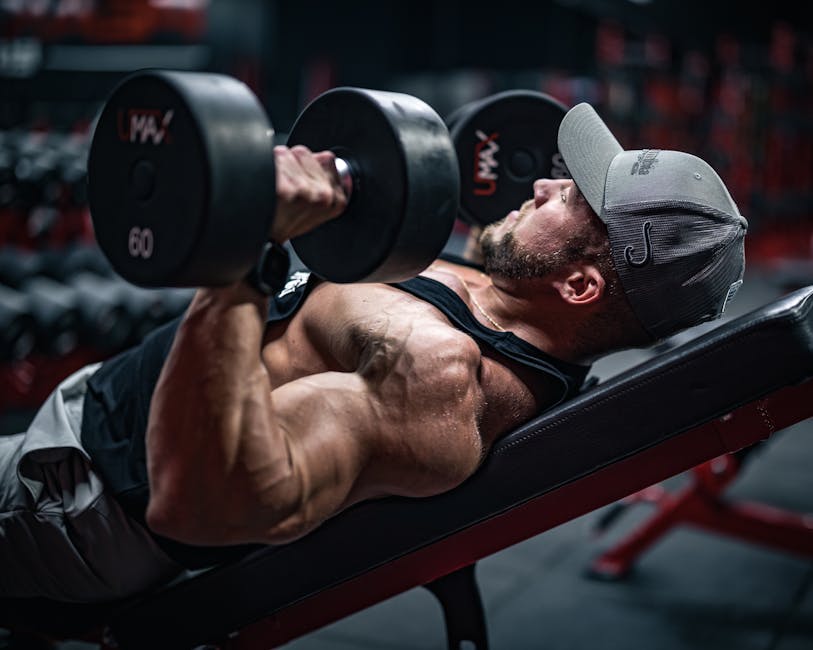
Incline dumbbell curls are a strict biceps isolation exercise that positions your arms in a stretched starting position, making it nearly impossible to cheat and keeping tension locked on the target muscle. If standing curls have turned into a shoulder swing, this variation cleans up your form fast.
They are especially useful for lifters chasing better arm development, cleaner reps, and more productive isolation work. Get the bench angle, elbow position, and tempo right, and incline dumbbell curls can become one of the most reliable exercises in your arm training arsenal.
What incline dumbbell curls work (and why it matters)
Incline dumbbell curls primarily train the biceps brachii, with the brachialis and forearm flexors assisting during the curl. Because your upper arms sit slightly behind your torso, the biceps start from a longer position at the bottom of the rep.
That setup matters for two reasons. First, it limits momentum, so each rep stays honest. Second, shoulder position changes how the curl feels. In a Journal of Sports Science & Medicine study examining shoulder position and biceps brachii EMG in dumbbell curls, different shoulder positions produced different activation patterns. In practical terms, bench angle changes the stimulus, which is why incline dumbbell curls often feel tougher in the stretched range than standard seated or standing curls.
They fit well after rows, pull-ups, or pulldowns, and they are a smart first or second curl variation in a hypertrophy block. If your goal is stronger-looking, better-trained arms without sloppy reps, this is a strong pick.
How to do incline dumbbell curls (proper form)
- 1Set an incline bench to about 30 to 45 degrees. Sit back with a dumbbell in each hand and let your arms hang straight down, palms facing forward.
- 2Keep your chest up, shoulder blades lightly pulled back, and core braced. Your upper arms should stay fixed instead of drifting forward during the rep.
- 3Curl the dumbbells by bending at the elbow. Move in a smooth arc and keep your wrists neutral rather than letting them fold back.
- 4Squeeze the biceps near the top without rolling your shoulders forward to force extra range. Stop where you still feel in control.
- 5Lower the weights slowly until your arms are fully extended again. The controlled stretch at the bottom is the point, so do not rush it.
The best incline dumbbell curls look controlled, not dramatic. If you need to swing, shorten the range, or lift your elbows to finish reps, the weight is too heavy.
Common mistakes when doing incline dumbbell curls (and how to fix them)
Fix: Start around 30 to 45 degrees. That keeps the upper arms slightly behind the torso and preserves the stretched bottom position.
Fix: Keep your upper arm quiet and think about moving only at the elbow. If the elbows travel, you change the exercise and reduce the strict feel.
Fix: Lower the load and own the eccentric. A slower descent keeps tension on the biceps and is usually easier on the elbows and wrists.
Sets, reps, and programming for incline dumbbell curls
Incline dumbbell curls work best as an accessory exercise, not a max-effort strength lift. Place them after compound pulling work or inside a dedicated arm session. Most lifters get the best return from moderate reps and strict form. For general recommendations on resistance training and how to structure sets and reps, see this overview from Harvard Health.
3-4 sets × 8-12 reps · 60-90s rest
3-5 sets × 6-8 reps · 90-120s rest
2-3 sets × 12-15 reps · 45-60s rest
If you already get plenty of pulling volume from rows and pulldowns, you do not need endless direct biceps work. A few hard sets of incline dumbbell curls with full range and clean tempo are often enough.
Progress them in simple ways: add one rep, slow the lowering phase, or increase the load in small jumps once every set looks sharp. For most men, 1 to 2 direct biceps sessions per week is plenty.
Incline dumbbell curl variations and alternatives
Dumbbell biceps curl
This is the standard standing version. Use it when you want a simpler setup or a bit more freedom to handle heavier dumbbells. It is effective, but it is also easier to cheat than incline dumbbell curls.
Dumbbell alternate biceps curl
Alternating sides helps you focus on one arm at a time and can make it easier to keep reps smooth. It is a good choice if bilateral curls make you rush.
Incline hammer curl
This neutral-grip version shifts more work toward the brachialis and forearms. Use it if a palms-up grip bothers your wrists or if you want more overall upper-arm thickness.
Preacher curl
Preacher curls support the upper arm and reduce momentum in a different way. If incline dumbbell curls feel too aggressive at the bottom, preacher curls can give you a stricter curl without the same long stretch.
Incline dumbbell curls FAQ
Are incline dumbbell curls effective for building biceps?
Yes. Incline dumbbell curls are effective because they eliminate body English and keep the biceps under tension through a long range of motion. The stretched starting position forces the muscle to work harder from the bottom up.
What is the best bench angle for incline dumbbell curls?
For most lifters, 30 to 45 degrees is the sweet spot. A lower angle usually creates a bigger stretch, while 45 degrees is often more comfortable and easier to control. Start at 45 and lower it gradually as you adapt.
Should you curl both arms at once or alternate during incline dumbbell curls?
Both work. Curl both at once if you want efficiency and symmetry. Alternate if you need more focus, better control, or cleaner reps from side to side.
Why do incline dumbbell curls feel harder than standing curls?
Because the bench position reduces momentum and starts the biceps from a longer position. That makes lighter weights feel more demanding, especially at the bottom of the rep where the stretch is greatest.
Can incline dumbbell curls bother your shoulders or elbows?
They can if the bench angle is too low, the load is too heavy, or you force range you cannot control. Keep the weight honest, use a comfortable angle, and stop if the movement turns into joint stress instead of muscle work.
Where should incline dumbbell curls go in a workout?
They usually fit best after your main pulling exercises or early in an arm session. If arm growth is the goal, place incline dumbbell curls before looser curl variations so you can give your strictest work your freshest effort.
Bottom line: Incline dumbbell curls are a simple way to make biceps training stricter, cleaner, and more productive. Set the bench correctly, keep your elbows quiet, and control the lowering phase. Do that consistently, and your arm work will feel sharper and pay off better over time.
ActiveMan — Make Your Move
The Modern Guide to Men’s Health, Fitness & Lifestyle.


