
Low Sodium Foods: Best Picks & Smart Swaps for Men
Low sodium foods for men: best picks, smart swaps, and easy meal ideas to cut salt, reduce bloat, and support heart health without bland eating.

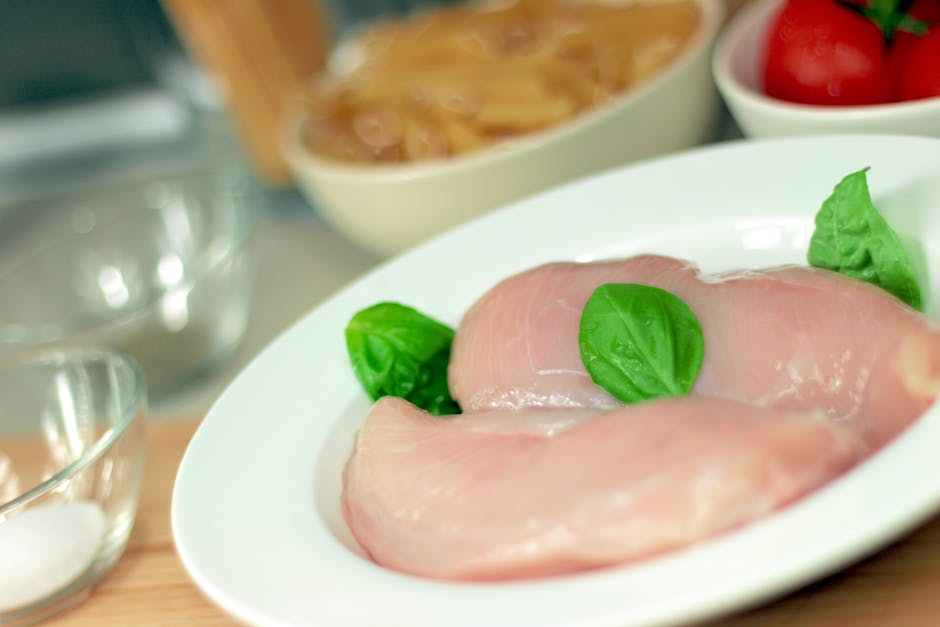
Low sodium foods are mostly minimally processed staples like fresh fruit, vegetables, beans, oats, rice, potatoes, plain yogurt, eggs, and fresh meat or fish. For men, the win is simple: build meals around those foods, then use smart swaps to cut hidden salt without losing flavor, protein, or convenience.
- Most adults should stay under 2,300 mg of sodium per day; some men may need lower intake per medical advice.
- The biggest sodium hits come from packaged foods, deli meat, sauces, canned soup, pizza, and restaurant meals—not just the salt shaker.
- Fresh produce, plain grains, unsalted nuts, no-salt-added beans, eggs, and plain dairy are core low sodium foods to keep on repeat.
- Easy swaps include no-salt-added broth, reduced-sodium sauces, plain oats instead of flavored packets, and fresh chicken instead of deli slices.
- Use acid, herbs, garlic, onion, smoked paprika, and black pepper to keep meals satisfying with less salt.
What are the best low sodium foods to keep in your rotation?
The best low sodium foods are the ones you can use on autopilot. Think basics that cover breakfast, lunch, dinner, and snacks without piling up hidden sodium.
That usually means foods that still look close to what they started as. Fresh and lightly processed foods give you far more control than seasoned, boxed, or restaurant meals.
Best low sodium food categories for men
- Fresh fruit: apples, bananas, berries, oranges, melon, mango
- Fresh vegetables: spinach, broccoli, peppers, carrots, tomatoes, sweet potatoes
- Plain grains: oats, brown rice, quinoa, barley, whole grain pasta
- Beans and legumes: dry beans or no-salt-added canned beans
- Protein foods: eggs, fresh chicken, turkey, lean beef, fish, tofu
- Dairy: plain Greek yogurt, milk, and lower-sodium cottage cheese
- Fats and extras: unsalted nuts, unsalted nut butter, avocado, olive oil
These foods help men cover the essentials: protein for recovery, carbs for training fuel, fiber for appetite control, and potassium-rich foods that support better overall eating patterns. They also support gut health and mental wellness, which is useful when you're trying to change long-standing habits.
Good examples include potatoes, beans, yogurt, bananas, and leafy greens. They make a lower-sodium plan feel normal, not restrictive.
Where does sodium hide in an otherwise decent diet?
Many men think they eat clean, then realize their go-to staples are loaded with sodium. The usual culprit is convenience food that looks healthy on the surface.
Deli turkey, jarred sauces, flavored rice packets, canned soup, beef jerky, frozen burritos, and takeout wraps can spike intake fast. A single sandwich, side, and sauce combo can consume a big chunk of your daily limit before dinner.
High-sodium foods worth checking first
- Deli meats and cured meats like ham, salami, bacon, sausage, and beef sticks
- Canned soups and broths, unless labeled no salt added or reduced sodium
- Sauces and condiments like soy sauce, teriyaki, barbecue sauce, ketchup, hot sauce, and bottled dressing
- Bread, pizza, and wraps, which add up faster than most people expect
- Snack foods like chips, crackers, salted nuts, popcorn, and pretzels
Label reading matters. A fast filter: 5% Daily Value or less per serving is low, and 20% Daily Value or more is high for sodium.
Also check serving size. A food may look reasonable until you realize the package holds two or three servings.
What are smart swaps that lower sodium without making meals bland?
The easiest way to eat more low sodium foods is not a full diet overhaul. It is swapping your default version for a better version at the store, at home, and when you order out.
That approach works because it keeps your routine intact. You still eat familiar meals, just with less hidden sodium.
Simple low-sodium swaps that work
- Deli turkey → fresh roasted chicken or home-cooked turkey breast
- Canned soup → homemade soup with no-salt-added broth
- Regular canned beans → no-salt-added beans or well-rinsed canned beans
- Instant flavored oatmeal → plain rolled or steel-cut oats
- Salty marinara → reduced-sodium marinara or crushed tomatoes with herbs
- Seasoned rice packets → plain rice or quinoa
- Salted nuts → unsalted almonds, walnuts, or pistachios
- Frozen breaded chicken → plain chicken breast with your own seasoning
Rinsing canned beans can lower sodium, though the exact amount varies by brand. When possible, no-salt-added versions are the cleanest choice.
The same rule applies to tomatoes, broth, tuna, and canned vegetables. If you eat out often, choose grilled protein, a simple starch, vegetables, and sauce on the side.
How do you build satisfying low sodium meals for training, work, and recovery?
Low sodium eating should still support performance. For active men, the goal is not bland food or tiny portions. The goal is to control sodium while keeping protein high, carbs useful, and meals easy to repeat.
Start with a plain protein, add a quality carb, then build flavor with produce, herbs, spices, and acid. That formula works whether you train hard or just want steadier energy through the day.
Low sodium breakfast ideas
- Plain oats with berries, chia seeds, and unsalted peanut butter
- Greek yogurt with fruit and walnuts
- Eggs with spinach, mushrooms, and a baked potato
Low sodium lunch ideas
- Grilled chicken bowl with brown rice, black beans, avocado, and fresh tomato salsa with onion and lime
- Tuna salad made from no-salt-added tuna, Greek yogurt, celery, and lemon
- Quinoa salad with chickpeas, cucumber, olive oil, parsley, and vinegar
Low sodium dinner ideas
- Salmon, roasted sweet potatoes, and broccoli
- Lean steak, baked potato, and green beans with garlic
- Turkey chili made with dry beans or no-salt-added beans and tomatoes
Men who train long in heat or sweat heavily may need a more specific plan around workouts — for examples and plans that focus on endurance and recovery, see VO2 max workouts for men. But for the average guy trying to improve blood pressure, reduce puffiness, or clean up his diet, the main target is still processed food.
If you have hypertension, kidney disease, or take blood pressure medication, get medical advice before making major sodium changes or using salt substitutes.
How do you make low sodium foods taste better?
The biggest mistake with lower-sodium eating is removing salt without replacing flavor. Food does not need to taste flat. It needs better contrast, texture, and seasoning.
Good cooking technique helps more than people think. Browning, roasting, charring, and finishing with acid can make simple food hit much harder.
Use these flavor builders instead of relying on salt
- Acid: lemon juice, lime juice, vinegar
- Aromatics: garlic, onion, scallions, ginger
- Herbs: basil, cilantro, parsley, dill, rosemary
- Spices: black pepper, cumin, smoked paprika, chili flakes
- Umami without overload: mushrooms, tomato paste, nutritional yeast, roasted garlic
There are also potassium chloride-based salt substitutes that give a salty taste with little or no sodium. They can be useful, but they are not for everyone.
Men with kidney disease or those taking medicines that affect potassium levels should ask a healthcare professional before using them regularly.
What are the best low sodium grocery rules that save time and second-guessing?
If you want more low sodium foods in your diet, keep the system simple. Fill most of your cart with foods from the produce, dairy, meat, and freezer basics sections, then compare labels in the center aisles.
The point is not perfection. It is building a kitchen that makes better choices easier on busy days.
A practical shopping checklist
- Start with produce: buy 5 to 7 fruits and vegetables you will actually eat this week.
- Choose plain proteins: fresh chicken, fish, eggs, Greek yogurt, tofu, lean beef.
- Pick base carbs: oats, rice, potatoes, quinoa, plain pasta.
- Look for these label terms: no salt added, reduced sodium, unsalted.
- Compare brands: sodium levels vary widely in bread, broth, sauce, beans, and snacks.
Strong grocery choices make the rest of the week easier. If your kitchen is stocked with low sodium foods that fit your lifestyle, you are less likely to default to takeout, deli meat, or salty packaged snacks.
Bottom line: the smartest way to eat more low sodium foods is to base your meals on fresh, minimally processed staples, then replace the sneaky salt bombs that pile up over the day. Tighten up your grocery list, season food with more intention, and you can eat in a way that feels cleaner, lighter, and easier to stick with.
FAQ
What is a low-sodium diet for men?
A low-sodium diet for men usually means keeping sodium intake under 2,300 mg per day, or lower if a clinician recommends it. For official guidance, see the American Heart Association's recommendations. That includes sodium from packaged food, restaurant meals, condiments, and cooking salt.
What are the best low sodium foods to eat every day?
Some of the best everyday options are fruit, vegetables, potatoes, oats, rice, no-salt-added beans, eggs, plain yogurt, fresh chicken, fish, and unsalted nuts. They are flexible, filling, and easy to build meals around.
What are good snacks for a low-sodium diet?
Good low sodium snacks include fruit, plain Greek yogurt, hard-boiled eggs, unsalted nuts, raw vegetables with homemade dip, and air-popped popcorn without heavy seasoning packets. The best snack gives you protein or fiber without a big sodium hit.
Do active men ever need more sodium?
Some do. Men doing long endurance sessions, training in hot weather, or sweating heavily can lose meaningful sodium through sweat. That does not mean most men need a high-sodium diet all day. It means sodium should match the situation.
What tastes salty without much sodium?
The closest option is a salt substitute made with potassium chloride. Lemon juice, vinegar, herbs, garlic, and spices can also make food taste sharper and fuller, which helps you rely less on salt.
How can I reduce sodium in restaurant meals?
Ask for grilled protein without added salt, request sauces and dressings on the side, skip the bread basket, and choose steamed or roasted vegetables instead of fried sides. Most restaurants can accommodate these requests.
ActiveMan — Make Your Move
The Modern Guide to Men’s Health, Fitness & Lifestyle.


