Meal Timing for Muscle Gain: What Actually Works


Meal timing for muscle gain gets overhyped fast. One camp says you need a shake the second you finish your last set. The other says timing does not matter at all. The truth is simpler: timing helps, but only after your calories, protein, training, and sleep are already in place.
If you want to add size, use meal timing to support the basics. Eat enough, hit your daily protein target, and place key meals around training. That is what helps you train hard, recover well, and stay consistent over time.
For most active men, the best plan is not complicated. Spread protein across the day, get carbs around workouts, and avoid long gaps without food when training hard. Here is how to make meal timing work in the real world.
Why Meal Timing Matters for Muscle Gain
Meal timing for muscle gain is not magic, but it can meaningfully improve performance, recovery, and diet consistency. That matters when you lift hard several times per week and want steady progress.
When meals are spaced well, your body gets a more regular supply of amino acids for muscle repair and enough fuel to train with intensity. You also make it easier to hit a calorie surplus without cramming everything into one meal.
What Meal Timing Actually Affects
Good nutrient timing can support:
- Training performance by improving energy and focus during sessions
- Muscle protein synthesis through regular protein-rich meals spaced across the day
- Recovery by replenishing muscle glycogen and delivering amino acids post-training
- Appetite control so eating enough to support muscle growth feels easier
What it cannot do is fix a weak overall plan. If calories are too low, protein is inconsistent, and sleep is poor, meal timing will not save your gains.
The Real Priority Order for Building Muscle
For most lifters, the hierarchy looks like this:
- Total daily calories
- Total daily protein intake
- Progressive overload in training
- Sleep and recovery quality
- Meal timing for muscle gain
That does not mean timing is useless. It means nutrient timing works best when the bigger levers are already handled.
How to Structure Meals Across the Day for Muscle Growth
The best meal timing for muscle gain usually means eating across 3 to 5 meals per day. That gives you repeated chances to hit your protein target, keeps energy steadier, and makes a calorie surplus easier to maintain without feeling stuffed.
A common mistake is saving most food for one huge dinner. Some men can make that work, but many end up under-fueled for training and short on protein earlier in the day when it counts most.
Protein Spacing for Maximum Muscle Growth
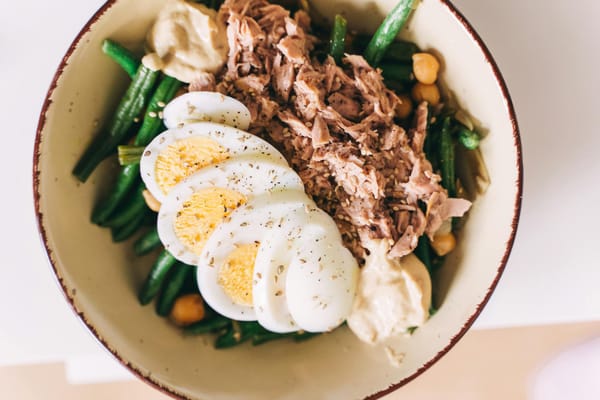
A practical target is 25 to 45 grams of protein per meal, depending on your size, appetite, and total daily intake. For many active men, 4 protein-rich meals distributed across the day works well.
That could look like:
- Breakfast: eggs, Greek yogurt, oats
- Lunch: chicken, rice, vegetables
- Post-workout meal: lean beef, potatoes, fruit
- Dinner: salmon, pasta, salad
This approach distributes protein more evenly instead of relying on one massive dinner to do all the work for muscle protein synthesis.
Carb Timing for Training Performance
Carbohydrates fuel hard sessions. If your goal is more training volume, better pumps, and stronger lifts, strategic carb timing supports both performance and recovery.
You do not need to force every carb around your workout. But putting a solid share of your daily carbs before and after training is a practical move for anyone serious about muscle gain nutrition.
A Simple Daily Meal Framework
Use this as your repeatable base structure:
- Meal 1: protein + carbs + some fats
- Meal 2: protein + carbs
- Pre-workout meal: protein + easy-to-digest carbs
- Post-workout meal: protein + carbs
- Final meal: protein + carbs or fats based on your calorie needs
Do not treat this like a rigid schedule. Treat it like a repeatable structure that keeps your muscle-building diet on track day after day.
Pre-Workout and Post-Workout Nutrition for Muscle Gain
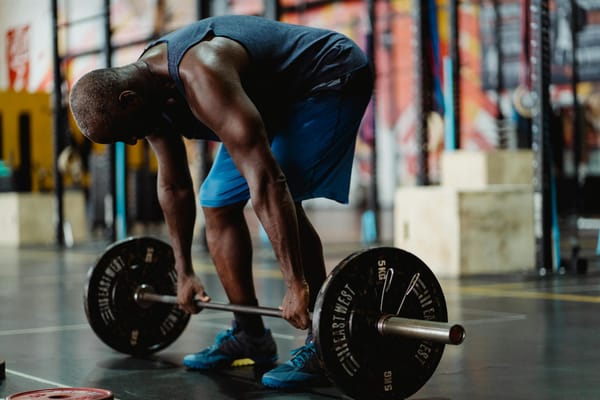
If there is one area where meal timing for muscle gain deserves real attention, it is around training. You want enough fuel going in and enough nutrition afterward to recover and grow.
What to Eat Before Training
A strong pre-workout meal eaten 1 to 3 hours before lifting should include protein and carbs. Keep fats and fiber moderate if large meals sit heavy in your stomach during training.
Good pre-workout meal options include:
- Chicken and rice
- Turkey sandwich on sourdough with fruit
- Greek yogurt with granola and banana
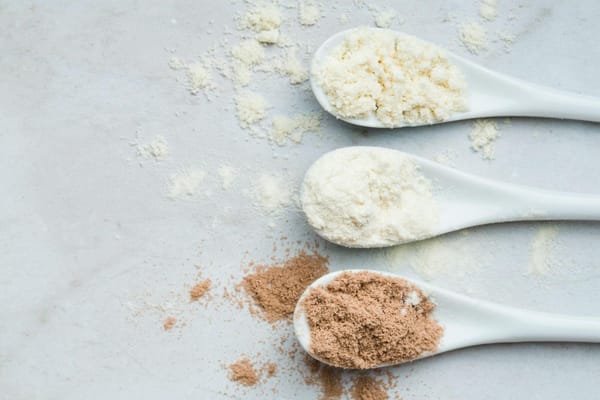
- Oats with whey protein and berries
This meal supports training quality and workout performance while giving your body a supply of amino acids during the session itself.
If You Train Early in the Morning
If you lift first thing and cannot handle a full meal, keep it simple. A whey shake and a banana, or Greek yogurt with fruit, is enough for most men to perform well.
You do not need a huge breakfast before a 6 a.m. workout. You just need enough fuel to avoid a flat, low-energy session.
What to Eat After Training
Post-workout nutrition matters, but not because of a narrow anabolic window. The goal is straightforward: get a solid meal in soon after training, especially if your pre-workout meal was light or eaten several hours earlier. For a deeper breakdown, see nutrition timing for muscle recovery.
A strong post-workout meal should include:
- 25 to 45 grams of protein to drive muscle protein synthesis
- Carbohydrates to replenish muscle glycogen and support recovery
- Fluids and sodium if you trained hard and sweated heavily
Practical post-workout meal examples:
- Steak, rice, and vegetables
- Protein shake with cereal and fruit
- Chicken burrito bowl
- Eggs, toast, and potatoes
For most men, getting this meal within 1 to 2 hours after training is both practical and effective for supporting muscle repair and growth.
Best Meal Timing Strategies for Different Training Schedules
The best meal timing for muscle gain is the plan you can actually repeat. A perfect plan on paper means nothing if your workday, commute, or family schedule kills compliance week after week.
If You Train at Lunch
Eat a solid breakfast with protein and carbs. Have a lighter pre-workout snack 60 to 90 minutes before training, then a full post-workout lunch afterward.
Example day:
- Breakfast: eggs, oatmeal, fruit
- Pre-workout snack: yogurt and banana
- Post-workout lunch: chicken, rice, avocado, vegetables
If You Train After Work
This is where many men go wrong. They eat a weak lunch, then try to push through a hard session running on empty. The fix is simple: eat enough earlier in the day.
Example day:
- Breakfast: protein-heavy meal with carbs
- Lunch: protein + carbs + vegetables
- Pre-workout snack: bagel with turkey or whey shake with fruit
- Dinner after training: large balanced meal with protein and carbs
If You Train Late at Night
You do not need to fear eating late. A late post-workout meal can still support muscle growth and overnight recovery. If sleep is a concern, choose foods that digest comfortably, and if late meals affect your recovery, improve your routine with deep sleep naturally.
Good late-night options include rice, potatoes, oats, eggs, Greek yogurt, cottage cheese, chicken, or a protein shake.
Should You Eat Before Bed for Muscle Gain?
A pre-bed meal can help if you struggle to hit your calorie or protein targets during the day. It is also an easy way to spread intake more evenly across waking hours.
Try:
- Cottage cheese with berries
- Greek yogurt with peanut butter
- Casein or whey shake with milk
- Eggs and toast
Pre-sleep protein is a useful tool, not a mandatory step. Use it when it helps you hit your numbers without disrupting sleep quality.
Common Meal Timing Mistakes That Limit Muscle Growth
You do not need advanced nutrient timing to build size. You do need to avoid the mistakes that quietly stall progress over weeks and months.
1. Training Under-Fueled
If your sessions feel flat, strength stalls, or your working sets feel harder than they should, poor pre-workout nutrition may be a significant part of the problem. Fuel your training like it matters.
2. Waiting Too Long to Eat After Lifting
You do not need to sprint to the shaker bottle. But waiting 4 or 5 hours after training to eat is a poor strategy when muscle gain and recovery are the goal.
3. Distributing Protein Unevenly
Many men eat very little protein early in the day, then overload at dinner. More even protein distribution across meals consistently outperforms the front-loaded or back-loaded approach for muscle protein synthesis.
4. Ignoring Total Calorie Intake
If you are not in a calorie surplus, no amount of timing optimization will create muscle from thin air. Start by confirming you are eating enough overall before fine-tuning when you eat.
5. Overcomplicating the Entire Process
The biggest trap is obsessing over the clock while missing the basics. A simple, consistent plan beats a perfect one you cannot sustain. Build the habit first, then refine the details.
FAQ: Meal Timing for Muscle Gain
Does meal timing matter for muscle gain?
Yes, but less than total daily calories, protein intake, training quality, and sleep. Meal timing for muscle gain helps most by supporting workout performance, protein distribution, and post-training recovery.
How many meals per day are best for muscle gain?
For most active men, 3 to 5 meals per day works well. That frequency makes it easier to hit calorie and protein goals without feeling overly full or relying on one enormous meal.
Should I eat right after a workout to build muscle?
You do not need to eat immediately after finishing your last set. But a meal containing protein and carbs within 1 to 2 hours after training is a smart target, especially if your last meal was eaten several hours earlier.
Is it better to eat carbs before or after a workout for muscle gain?
Both matter. Carbs before training support energy output and session quality. Carbs after training replenish glycogen and support recovery. When possible, include carbohydrates on both sides of your workout. Research from the International Society of Sports Nutrition position stand on nutrient timing supports this approach.
Can you build muscle training fasted?
Yes, but it is often harder to maximize performance and total daily intake. If you prefer fasted training, prioritize getting protein and carbs in soon after the session ends to support muscle repair and growth.
How much protein should I eat per meal for muscle gain?
A practical target is 25 to 45 grams of protein per meal for most active men. Spreading that across 3 to 5 meals gives your body a consistent supply of amino acids throughout the day to support muscle protein synthesis.
Make Meal Timing Work for You
Meal timing for muscle gain does not need to be extreme or complicated. Focus on what actually moves the needle: enough total calories, consistent daily protein, and smart meal placement around your training sessions.
A simple plan that works for most active men:
- Eat 3 to 5 times per day to spread protein and calories evenly
- Include 25 to 45 grams of protein at every meal
- Get carbohydrates before and after workouts to fuel performance and recovery
- Avoid long gaps without food around training sessions
- Stay consistent for weeks, not just days
If your goal is more size, strength, and faster recovery, start with your current routine and tighten the weak points first. You do not need perfect timing. You need a plan you can actually follow and repeat.
Dial in your meal timing, train hard, and let consistency do the rest. For more practical muscle-building strategies, explore the rest of ActiveMan's fitness and nutrition guides.
ActiveMan — Make Your Move
The Modern Guide to Men’s Health, Fitness & Lifestyle.