Nutrition Timing for Muscle Recovery
What to Eat Before and After Workouts (Without Overthinking It)

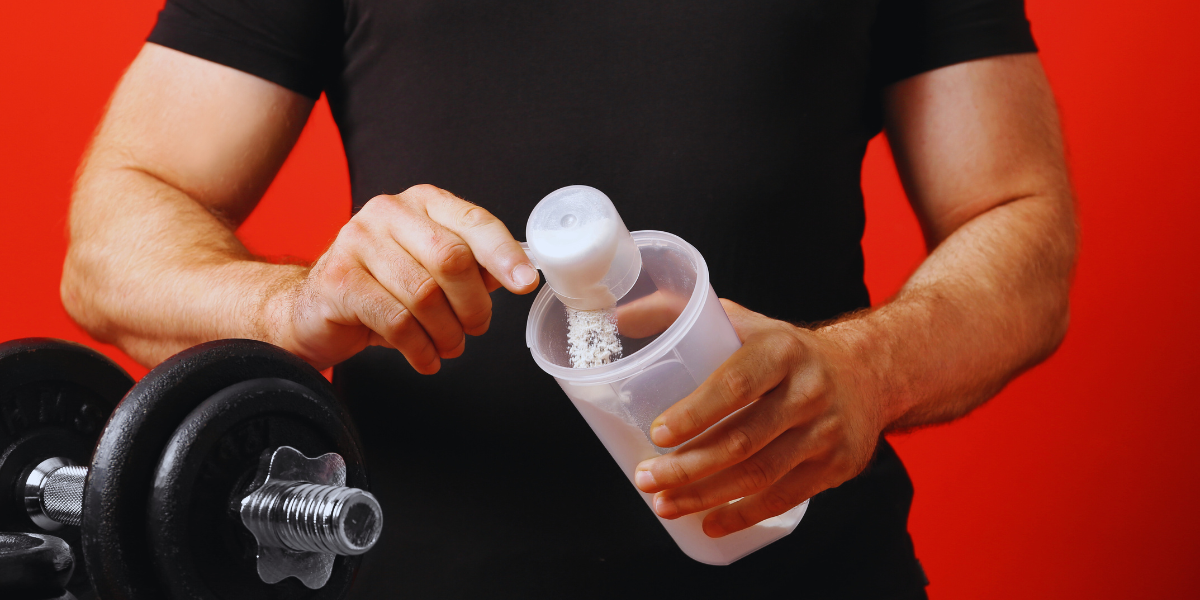
Training breaks down muscle. Recovery builds it back stronger. And while total calories and protein are the foundation, nutrition timing muscle recovery strategy can make recovery smoother—especially when you train hard, train twice a day, or feel sore for days.
The goal of nutrition timing muscle recovery isn’t perfection. It’s giving your body the right raw materials at the right times so you can lift with more quality, recover faster, and show up consistently.
First, the big truth: total intake beats perfect timing
Most men obsess over a 30-minute “anabolic window.” In reality, research suggests that when total daily protein is matched, ultra-precise timing is far less important for strength and hypertrophy outcomes.
A classic meta-analysis on protein timing found no meaningful differences in strength or muscle gains once total protein intake was accounted for. In other words, the “window” is bigger than you think, and it’s easier to hit than the supplement industry makes it sound.
Source: Schoenfeld & Aragon’s protein timing meta-analysis (full text): The effect of protein timing on muscle strength and hypertrophy.
Your muscle recovery priorities (in order)
If you want a simple hierarchy for nutrition timing muscle recovery, use this:
- Meet daily protein (most active men do well around 1.4–2.0 g/kg/day).
- Distribute protein across the day (rather than one giant dinner).
- Fuel training with carbs when sessions are intense or long.
- Hydrate and replace electrolytes, especially if you sweat heavily.
- Use pre-sleep protein if recovery is lagging or if you train in the evening.
Protein timing: how much, how often, and why it works
For most men, protein timing is about hitting enough high-quality protein often enough to trigger muscle protein synthesis (MPS) multiple times daily.
Daily protein target
The International Society of Sports Nutrition (ISSN) position stand commonly cites 1.4–2.0 g/kg/day of protein for exercising individuals, with higher intakes sometimes used during calorie deficits.
ISSN position stand link (peer-reviewed): International Society of Sports Nutrition Position Stand: protein and exercise.
Per-meal protein: the simple range
A practical per-meal dose for most men is 25–40 grams of high-quality protein. Bigger guys or men in a calorie deficit may need the upper end.
If you prefer a formula, ~0.25 g/kg per meal is often used as a rough guide.
How often should you eat protein?
For nutrition timing muscle recovery, aim for 3–5 protein feedings per day, spaced ~3–5 hours apart.
This is less about “constant feeding” and more about giving your body repeated signals for repair and adaptation.
Pre-workout nutrition timing (1–3 hours before lifting)
Your pre-workout meal sets you up for quality reps. Better training quality usually beats any micro-optimization after the workout.
What to eat (simple template)
- Protein: 25–35 g (chicken, Greek yogurt, whey, eggs, lean beef, tofu)
- Carbs: 30–80 g based on session length/intensity (rice, oats, fruit, potatoes, pasta)
- Fat: Keep moderate if you need quick digestion
- Fluids + sodium: especially if you train hot or sweat a lot
If you train early (no time for a full meal)
In that case, nutrition timing muscle recovery can start with a quick option, 15–45 minutes pre-lift:
- Whey protein shake + banana
- Greek yogurt + honey
- Protein bar + sports drink (in a pinch)
Post-workout nutrition timing: what matters most
After lifting, your goal is to start repairing and replenishing what you used—especially if you’ll train again soon.
Protein after training
Aim for 25–40 g of protein in the post-workout window. You don’t need to sprint to your shaker, but getting a solid protein feeding within a couple of hours is a smart baseline for nutrition timing muscle recovery.
Carbs after training (when they matter most)
Carbs support glycogen replenishment. That’s more important when:
- Your session was high volume (lots of sets/reps)
- You did hard conditioning or endurance work
- You train twice in one day
- You’re already eating low-carb and feeling flat
In those cases, include 30–100 g of carbs post-workout depending on body size and training load.
The “protein + carbs” recovery meal examples
- Chicken burrito bowl (rice + beans + veggies)
- Salmon, potatoes, and a big salad
- Greek yogurt, granola, berries, and honey
- Whey shake + bagel + fruit (fast digestion)
Pre-sleep protein: an underrated recovery tool
If you train in the evening, struggle to gain muscle, or wake up sore, pre-sleep protein can help.
Studies have shown that consuming ~20–40 g of casein about 30 minutes before sleep can improve overnight protein balance and support overnight muscle protein synthesis.
A detailed review is available via PubMed: Effects of pre-sleep protein consumption on muscle-related outcomes.
Best pre-sleep options
- Casein shake (30–40 g)
- Cottage cheese + fruit
- Greek yogurt + peanut butter (if you tolerate fat well at night)
Hydration and electrolytes: the recovery multiplier most men ignore
You can nail nutrition timing muscle recovery for protein and carbs and still recover poorly if you’re under-hydrated.
Dehydration can worsen perceived effort, raise heart rate, and make you feel “flat” in the gym. If you sweat heavily, include sodium and potassium-rich foods (and consider electrolyte mixes) around training.
How nutrition timing changes by goal
If your goal is muscle gain
- Protein: 3–5 doses/day
- Carbs: prioritize pre- and post-workout
- Pre-sleep protein: consider nightly, especially with evening training
If your goal is fat loss without losing muscle
- Keep protein high and consistent across the day
- Place more carbs around training to protect performance
- Don’t “save all calories” for dinner if it ruins training quality
If your goal is endurance + lifting
- Carb timing becomes more important, especially post-session
- Use easy-to-digest carbs during long sessions
- Protein still matters, but don’t under-eat carbs and expect good recovery
Common mistakes that sabotage nutrition timing for muscle recovery
- Skipping carbs entirely while doing high-volume training
- Eating all the protein at dinner instead of spreading it out
- Under-hydrating and blaming soreness on “getting older.”
- Too little sleep (nutrition can’t outwork 5 hours a night)
- Overusing supplements instead of fixing meals
FAQ: Nutrition timing and muscle recovery
Is there really an anabolic window after workouts?
The “window” is likely much wider than 30 minutes. If you hit total daily protein and eat a protein-rich meal within a couple of hours of training, you’re in a good place for nutrition timing muscle recovery.
How much protein do I need after a workout?
Most men do well with 25–40 g of high-quality protein after lifting. Bigger athletes may benefit from the higher end.
Do I need carbs after lifting to recover?
It depends. If you’re doing high volume, conditioning, or training again soon, carbs help replenish glycogen and support performance. If you’re lifting moderately and eating enough carbs daily, exact timing matters less.
Is pre-sleep protein worth it?
If you train in the evening or struggle with soreness and recovery, 20–40 g of casein (or a slow-digesting protein food like cottage cheese) before bed can support overnight recovery.
What if I train fasted?
Fasted training can work, but it increases the importance of your post-workout meal. Get protein and carbs in soon after to support nutrition timing, muscle recovery, and protect training quality over time.
Conclusion: A simple timing plan you can actually follow
If you want the simplest version of nutrition timing muscle recovery, do this for the next two weeks:
- Eat 25–40 g of protein at breakfast, lunch, and dinner.
- Add a protein feeding within ~2 hours after training.
- Add carbs around training when sessions are long, hard, or frequent.
- Try 30–40 g of casein before bed if you train evenings or wake up sore.
- Hydrate and include electrolytes if you sweat a lot.
Do that consistently, and you’ll recover better without micromanaging every minute on the clock.
ActiveMan — Make Your Move
The Modern Guide to Men’s Health, Fitness & Lifestyle.