
Protein and Muscle Growth: How Much Protein Do You Need?
Learn how much protein you need for muscle growth. Science-backed targets, timing strategies, and food sources to build muscle effectively.

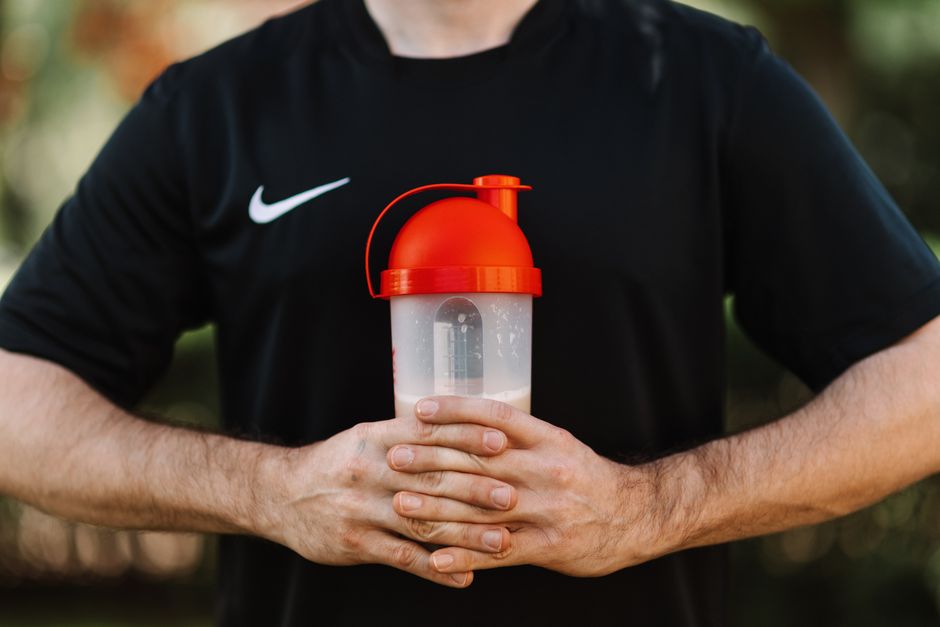
Protein and muscle growth are directly connected. Your body needs amino acids to repair and build muscle tissue after resistance training. For most active men, 1.6 to 2.2 grams of protein per kilogram of body weight per day supports muscle gain, spread across 3 to 5 meals for consistent muscle protein synthesis.
- Resistance training triggers muscle growth; protein provides the amino acids your body uses to repair and build muscle tissue.
- A large meta-analysis on protein supplementation and resistance training found benefits plateau around 1.6 g/kg/day, with some lifters benefiting up to 2.2 g/kg/day.
- Total daily protein intake matters most, but spreading protein across 3 to 5 meals optimizes muscle protein synthesis throughout the day.
- For men over 40, higher protein intake paired with lifting helps preserve and build muscle, per a 2026 meta-analysis on whey protein and sarcopenia.
- Protein alone does not build muscle. Progressive overload, adequate calories, and quality sleep are equally critical for muscle growth.
How does protein support muscle growth?
Muscle growth occurs when muscle protein synthesis exceeds muscle protein breakdown over time. Lifting creates the signal; see our hypertrophy training guide for programming that maximizes that stimulus. Protein provides the raw material to respond.
When you eat protein, your body breaks it into amino acids. These amino acids support recovery and lean mass building after resistance training—the core mechanism linking protein and muscle growth.
The real formula is straightforward: train hard, eat enough protein, recover well, and repeat consistently. This is more effective than chasing post-workout nutrition timing.
A major review in the British Journal of Sports Medicine found that protein supplementation improved strength and fat-free mass gains, especially in people already doing resistance training. Protein works best when your training gives it a reason to work.
How much protein do you need for muscle growth?
For most active men, 1.6 to 2.2 grams of protein per kilogram of body weight per day is the practical target for muscle gain or retention. This range aligns with the strongest research and is easy to apply. For a practical calculation and examples by body size, see our guide on how much protein to eat to gain muscle.
The best-known meta-analysis found that gains in fat-free mass plateau around 1.6 g/kg/day, with the upper confidence range at 2.2 g/kg/day. Not everyone needs the top end—some lifters benefit from it, especially during high training volume or calorie deficits.
Daily protein targets by body weight
- 180-pound man: 131 to 180 grams per day
- 200-pound man: 145 to 200 grams per day
- 220-pound man: 160 to 220 grams per day
For muscle gain, start near the middle of your range. Adjust based on hunger, recovery, training performance, and whether body weight moves in the right direction.
When cutting body fat while preserving muscle, aim higher in the range. Men over 40 should be more deliberate, since aging reduces how strongly muscle responds to protein.
When should you eat protein for muscle growth?
Total daily intake drives results, but meal distribution still matters. You don't need to obsess over a narrow anabolic window, but spreading protein across multiple meals supports muscle protein synthesis more consistently.
A practical setup is 3 to 5 meals, each with meaningful protein. This works better than eating very little all day and trying to compensate at dinner. The International Society of Sports Nutrition's position stand offers detailed recommendations on dietary protein for active people, which can help you plan meal distribution and per-meal targets for best results. Read the ISSN position stand.
How to structure your protein intake
- Eat a real protein source at breakfast
- Have a protein-rich meal or shake after training if your next meal is not close
- Build meals around complete protein sources when possible
- Use powders for convenience, not as your diet's backbone
Protein quality matters because amino acid content matters. Complete proteins like eggs, dairy, meat, fish, and whey provide all essential amino acids in strong amounts, including leucine, which signals muscle protein synthesis.
Plant proteins work well with better planning. That usually means larger portions, more total protein, or mixing sources to strengthen the amino acid profile.
Best food sources for protein and muscle growth
Whole foods should carry most of the load. They provide protein, vitamins, minerals, fats, carbs, and better satiety. Supplements are useful when they help you stay consistent, not when they replace proper meals.
Top protein choices for muscle building
- Chicken breast, turkey, and lean beef for reliable high-protein meals
- Eggs and Greek yogurt for breakfast or easy snacks
- Salmon, tuna, and other fish for protein plus healthy fats
- Cottage cheese and milk for simple, high-protein options
- Beans, lentils, tofu, and edamame for plant-forward meals
If you use powders, read the label carefully. Not every protein product is mostly protein. USDA FoodData Central shows that macros vary significantly by product—some contain more carbs and fat than protein.
The simplest rule: pick protein sources you can eat consistently without exceeding your calorie budget, budget, or causing digestion issues. Consistency beats novelty.
What protein can and cannot do for muscle growth
Protein supports muscle growth, but it is not a stand-alone growth switch. If your program lacks progressive overload, sleep is poor, or calorie intake is too low, extra protein alone will not build significant size.
Think in layers:
- Training creates the growth signal
- Protein supports repair and adaptation
- Total calories affect energy and building material availability
- Sleep and recovery determine adaptation quality
Protein matters most when calories are lower. A 2026 systematic review on enhanced protein intake in adults with overweight or obesity reported benefits for maintaining muscle mass, strength, and physical function during calorie deficits.
Long term, this extends beyond aesthetics. Age-related muscle loss affects strength, resilience, and daily function. A 2026 meta-analysis on whey protein supplementation with or without resistance training in older adults found support for improving sarcopenia outcomes, especially when protein pairs with lifting.
Common mistakes that slow muscle growth
Most protein mistakes are small habits repeated daily. Fixing them usually delivers more results than buying another supplement.
1. Undereating total protein
Many men assume they eat plenty because dinner is meat-heavy. Then breakfast is light, lunch is rushed, and the full-day total falls short of the 1.6 to 2.2 g/kg target.
2. Ignoring total calories
If you want to build muscle while eating barely enough to maintain weight, progress will be slow. Protein and muscle growth work best when calorie intake matches your goal.
3. Relying on supplements instead of whole meals
Shakes are convenient, but whole-food meals usually keep you fuller and make managing the rest of your nutrition easier.
4. Expecting protein to fix poor training
No amount of extra whey compensates for a weak program. Progressive overload, exercise quality, and recovery still drive results.
5. Neglecting recovery and sleep
Your body builds muscle during recovery from training. If sleep is short and stress stays high, results usually slow down significantly.
FAQ
Does protein actually help with muscle growth?
Yes. Protein supplies the amino acids needed for muscle repair and new tissue growth after resistance training. It works best when paired with a well-designed lifting program, adequate calories, and quality sleep.
How much protein should I eat if I'm on tirzepatide?
That depends on your body weight, calorie intake, training, and medical history—your prescribing clinician should guide the final number. Men using appetite-suppressing medications often need to be more intentional about protein to maintain lean mass.
Can I build muscle while taking Zepbound?
Yes, but it can be harder if calorie intake drops too low. Resistance training, adequate total protein, and proper recovery still matter. If body recomposition is your goal, protecting muscle should be part of the plan from the start.
How much protein is safe on a CKD diet?
If CKD means chronic kidney disease, do not guess. Protein needs in kidney disease are highly individual and should be set by a physician or renal dietitian. High-protein muscle-building advice for healthy lifters does not apply here.
Are 2 eggs a day enough protein to build muscle?
No, not on their own. Two eggs fit into a muscle-building diet but provide only a small part of most men's daily protein needs. Muscle gain usually requires much more total protein spread across the day.
Why do some doctors caution against protein powder?
Some doctors are cautious because powders can be overused, unnecessary, or poorly chosen. Others flag specific issues like kidney disease, digestive problems, or excess calorie intake. For healthy adults, a reputable protein powder can be useful, but whole foods should lead your diet.
Bottom line on protein and muscle growth
Protein and muscle growth are tightly linked, but protein is only one part of the equation. For a stronger, leaner physique, set a daily protein target matching your body size and training, spread it across the day, and keep your lifting program progressive.
Do that for the next few months and you will get more from your training than from chasing hacks. Start with one simple move: hit your daily protein target consistently, then ensure your training gives your body a reason to grow.
ActiveMan — Make Your Move
The Modern Guide to Men’s Health, Fitness & Lifestyle.


