How Much Protein Do Men Over 40 Need?

After 40, your body starts playing by different rules. Muscle becomes harder to build and easier to lose. Recovery takes longer. And that protein shake you downed in your 20s without thinking? It matters a lot more now.
Here is the reality: men over 40 need more protein than younger men, not less. Yet most guys are falling short, wondering why their strength is declining despite consistent training.
This guide breaks down exactly how much protein you need, when to eat it, and which sources deliver the best results for men in their 40s and beyond.
Why Protein Requirements Increase After 40
Starting around age 30, men lose 3-5% of their muscle mass per decade. This process, called sarcopenia, accelerates after 40. The culprit? A phenomenon called anabolic resistance.
Your muscles become less responsive to protein's muscle-building signals as you age. The same 20 grams of protein that triggered robust muscle protein synthesis in your 20s now produces a blunted response. Your body simply needs more raw material to achieve the same results.
Add declining testosterone levels to the equation, which drop approximately 1% per year after 30, and you have a metabolic environment that demands strategic nutrition to maintain muscle and strength.
The Numbers: How Much Protein Do You Actually Need?
The outdated RDA of 0.8 grams per kilogram of body weight was designed to prevent deficiency, not optimize performance or muscle retention. For men over 40 focused on fitness, that number falls drastically short.
Current research supports these recommendations:
- Sedentary men over 40: 1.0-1.2 grams per kilogram of body weight (0.45-0.55g per pound)
- Active men who exercise regularly: 1.4-1.6 grams per kilogram (0.64-0.73g per pound)
- Men focused on building muscle: 1.6-2.2 grams per kilogram (0.73-1.0g per pound)
For a 180-pound man lifting weights 3-4 times per week, that translates to 130-180 grams of protein daily.
If you are in a caloric deficit while trying to preserve muscle, aim for the higher end of that range. Protein becomes even more critical when calories are restricted.
Protein Timing: Does It Matter After 40?
For younger lifters, total daily protein often trumps timing. After 40, the rules shift.
Research shows that men over 40 benefit from a higher protein threshold per meal to maximally stimulate muscle protein synthesis. While younger men might trigger full anabolic response with 20-25 grams per meal, men over 40 need 35-40 grams per sitting.
Optimal protein distribution strategy:
- Consume 35-40 grams of high-quality protein at each of 4 meals
- Space meals approximately 4 hours apart
- Include protein at breakfast, as most men front-load carbs and under-consume protein early in the day
- Consider 20-30 grams of protein before bed to support overnight recovery
This even distribution outperforms the common pattern of minimal protein at breakfast and lunch followed by a massive dinner portion.
Best Protein Sources for Men Over 40
Not all protein sources are created equal. Leucine, the amino acid primarily responsible for triggering muscle protein synthesis, should be your priority.
Highest leucine protein sources:
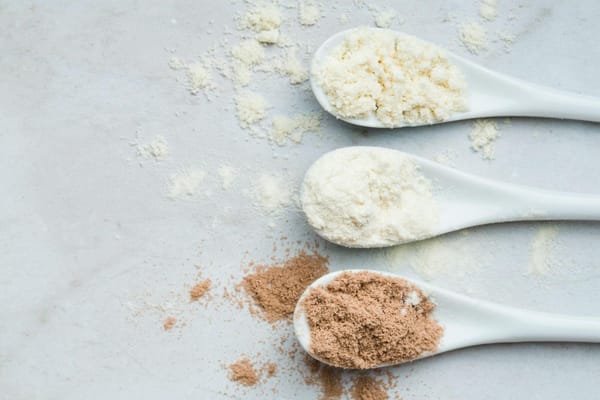
- Whey protein: 10-12% leucine content, fast-absorbing, ideal post-workout
- Eggs: Complete amino acid profile, supports testosterone production
- Beef: High in leucine, zinc, and creatine for strength
- Chicken breast: Lean, versatile, cost-effective
- Greek yogurt: Combines whey and casein, plus gut-supporting probiotics
- Fish: Omega-3 fatty acids reduce inflammation and support joint health
Plant proteins like legumes and tofu can contribute, but they contain less leucine per gram. If you rely heavily on plant sources, increase total protein intake by 10-15% to compensate.
Protein and Testosterone: The Connection
Adequate protein intake supports healthy testosterone levels through multiple mechanisms. Protein provides the building blocks for hormone production and helps maintain the muscle mass that supports metabolic health.
However, balance matters. Extremely high protein diets that crowd out dietary fat can actually suppress testosterone. Fat is essential for hormone synthesis. Aim for 20-35% of calories from healthy fats while hitting your protein targets.
The combination of sufficient protein, adequate fat, resistance training, and quality sleep creates the optimal hormonal environment for men over 40.
Practical Meal Plan Example
Here is what 160 grams of protein looks like across a day:
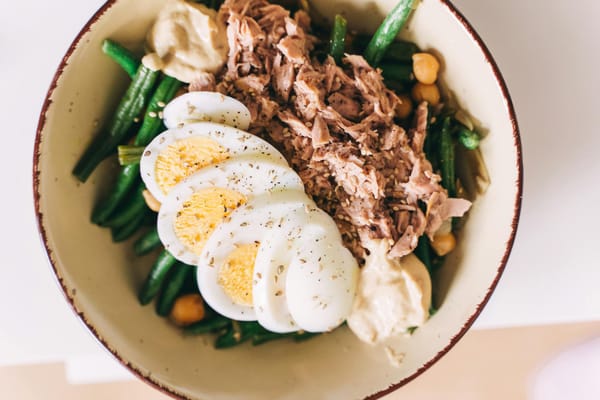
- Breakfast: 3 whole eggs + 3 egg whites with vegetables (30g protein)
- Lunch: 6 oz grilled chicken breast with quinoa and greens (42g protein)
- Pre-workout snack: Greek yogurt with almonds (20g protein)
- Dinner: 8 oz salmon with roasted vegetables (46g protein)
- Evening: Casein protein shake or cottage cheese (25g protein)
Adjust portion sizes based on your specific body weight and goals. Track your intake for 1-2 weeks to establish baseline awareness before intuitive eating takes over.
Common Mistakes to Avoid
Relying too heavily on shakes: Whole food sources provide additional nutrients and keep you satiated longer. Use supplements to fill gaps, not as your foundation.
Ignoring protein at breakfast: A bagel or bowl of cereal leaves muscle-building potential on the table. Prioritize eggs, Greek yogurt, or a protein smoothie.
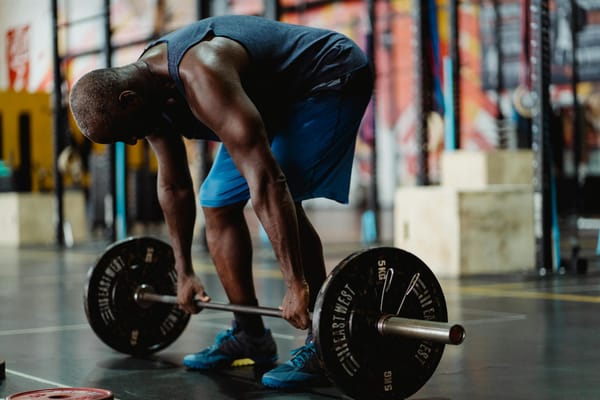
Consuming protein without resistance training: Extra protein without the stimulus of strength training will not build muscle. The combination is non-negotiable.
Inconsistency: One high-protein day followed by three low days produces minimal results. Consistency over weeks and months drives adaptation.
The Bottom Line
Men over 40 need 1.4-2.0 grams of protein per kilogram of body weight daily, distributed across 4 meals of 35-40 grams each. Prioritize leucine-rich animal proteins, balance your macros to support testosterone, and pair your nutrition with consistent strength training.
Your body's rules have changed. Your strategy should too.
Ready to optimize your nutrition for performance after 40? Start tracking your protein intake today and aim to hit your target consistently for the next 30 days. The results will speak for themselves.
ActiveMan — Make Your Move
The Modern Guide to Men’s Health, Fitness & Lifestyle.