
Best Quad Exercises for Bigger, Stronger Legs
Master quad exercises with expert form tips, programming strategies, and variations. Build stronger thighs, better knee control, and lower-body power.
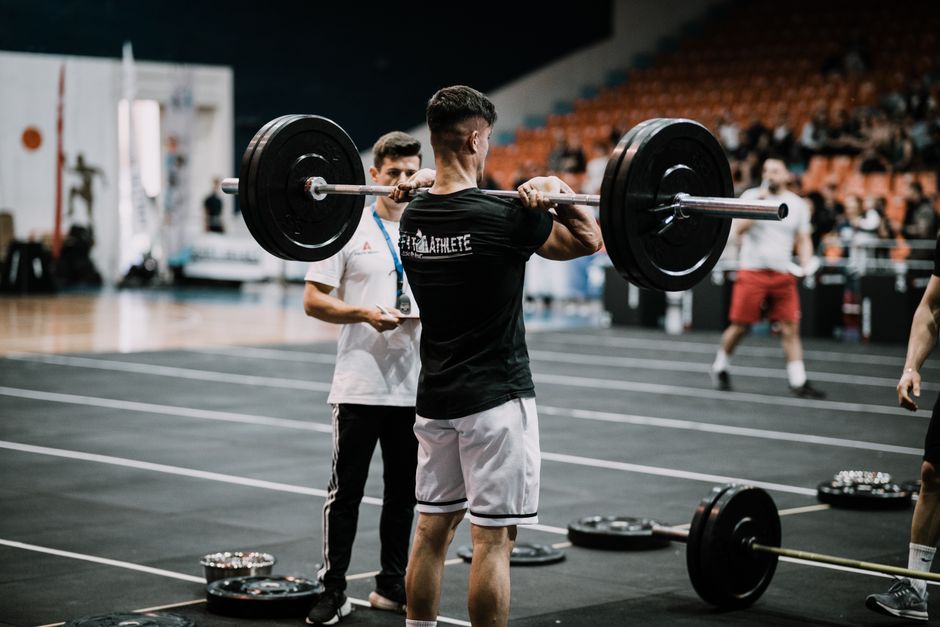
The best quad exercises build stronger thighs, better knee control, and more lower-body power. Whether your goal is bigger legs, stronger squats, or smoother movement in sports and daily life, quadriceps training deserves real structure and intent.
Your quadriceps help you stand up, climb stairs, sprint, jump, and absorb force when you land or change direction. This guide uses the front squat as the main lift, then shows you which leg exercises to pair with it for size, strength, and joint-friendly progress.
What this quad exercise works (and why it matters)
The front squat is one of the most effective quad exercises because the front-loaded bar position keeps your torso more upright. That setup lets the knees travel forward naturally and places more training stress on the quads while still challenging the glutes, upper back, and trunk.
That matters beyond leg size. Stronger quads help you produce force, control knee position, and stay more stable under load. If your knees get irritated, training the entire lower-body chain helps. A 2026 systematic review on hip abductor and lateral rotator strengthening for patellofemoral pain supports a broader approach instead of treating the quads as the only answer.
How to do a front squat (proper form)
- 1Set the bar across the front of your shoulders, not in your hands. Bring your elbows high, keep your chest up, and place your feet about shoulder-width apart.
- 2Brace hard before you move. Think ribs down, abs tight, and pressure balanced through the whole foot.
- 3Squat straight down between your hips while letting your knees move forward over your toes. Keep your elbows up and your torso as upright as you can.
- 4Lower until you reach a depth you can control without the bar rolling or your heels lifting. Aim for smooth, controlled descent.
- 5Drive through the floor to stand tall. Exhale through the hardest part, keep your elbows high, and finish without leaning back.
If front-rack mobility is the limiter, use straps around the bar or switch to a goblet squat for now. The target stays the same: deep, controlled knee flexion with a strong torso position.
Common mistakes in quad exercises (and how to fix them)
Fix: Lighten the load, drive the elbows forward and up, and spend time improving your front-rack position. Paused reps can help you keep the chest tall.
Fix: Reduce the weight and use the deepest range you can control with planted heels and a solid brace. Full-range quad exercises usually give your quads a better training effect than rushed half reps.
Fix: Keep pressure through the big toe, heel, and outer foot. Add split squats or step-ups and train the hips so knee tracking stays cleaner under fatigue.
Sets, reps, and programming for quad exercises
The right setup depends on your goal, but most effective quad exercises fit one of three buckets: heavy strength work, moderate-rep muscle building, or high-rep finishing work. Front squats work best when you pair them with movements like Bulgarian split squats, leg presses, step-ups, sled drags, or heel-elevated goblet squats. For help dialing reps, rest, and progression see our workout sets guide.
4-6 sets × 3-6 reps · 2-3 min rest
3-4 sets × 6-10 reps · 75-120s rest
2-4 sets × 12-20 reps · 45-75s rest
For most men, 10 to 18 hard quad-focused sets per week is a useful starting range (systematic review on training volume and hypertrophy). Split that over two lower-body sessions so you can keep effort and form high. If heavy loading is not a fit yet, lighter work can still help. Pair your training with adequate nutrition and recovery — see our top protein foods for muscle & recovery. A 2026 study on blood-flow-restricted training in patients with ACL rupture found useful quadriceps and hamstrings adaptations with lower loads.
A simple weekly plan looks like this:
- Day 1: Front squat, Bulgarian split squat, leg extension
- Day 2: Heel-elevated goblet squat, walking lunge, step-up or sled drag
Keep one main lift heavy, one unilateral lift controlled, and one higher-rep finisher. That gives you a simple, repeatable way to program quad exercises without turning leg day into chaos.
Best quad exercise variations and alternatives
Heel-Elevated Goblet Squat
A smart choice for beginners, home training, or anyone who struggles to stay upright in a squat. The heel lift makes it easier to bias the quads and hit depth with less mobility demand.
Bulgarian Split Squat
One of the best quad exercises for single-leg strength, balance, and muscle growth. It loads the quads hard without the same spinal demand as a heavy bilateral squat.
Leg Press
Use this when you want to push close to failure with more stability. A controlled deep range and lower foot placement can increase quad emphasis after your main lift.
Step-Up
Great for athletic carryover and clean single-leg mechanics. Pick a box height that lets the working leg do the job instead of bouncing off the back foot.
If you want a complete session, pair one squat pattern, one split-stance move, and one machine or bodyweight finisher. That is enough variety to cover the bases without wasting energy on random extras.
FAQ: Quad exercises and leg training
What is the best exercise for quads?
The best quad exercise is often the front squat or a close variation like a heel-elevated squat. It trains the quads hard through a large range of motion while also building full lower-body strength.
What exercises work my quads?
Good quad exercises include front squats, back squats, Bulgarian split squats, step-ups, walking lunges, leg presses, leg extensions, wall sits, and heel-elevated goblet squats. The common thread is controlled knee flexion under tension.
How do you hit all four quad muscles?
You do not need a different move for each head of the quadriceps. Combine deep squat patterns, single-leg work, and knee-extension-focused training, then progress the load, reps, or control over time.
How do you train quads with knee pain?
Start with ranges and loads you can tolerate. Spanish squats, wall sits, step-ups, leg presses, and slow split squats are often easier to manage. A 2026 systematic review on hip strengthening for patellofemoral pain also supports building the hips alongside the quads.
What are signs of weak quads?
Common signs include shaky step-downs, trouble getting up from low seats, reduced jump power, and poor control at the bottom of squats or lunges. If stairs bother you or one leg feels less stable, weak quads may be part of the issue.
Should you warm up before quad training?
Yes. A few minutes of light cardio, bodyweight squats, and progressive warm-up sets can improve how your legs feel and perform. A 2026 randomized controlled trial on warm-up and plyometric work also looked at changes in balance and jump performance, which supports taking your prep seriously.
Build your quads with a smarter plan
The best quad exercises are simple to spot and harder to do well. Pick one main squat pattern, train it with intent, add single-leg work, and keep your weekly volume consistent enough to grow.
If your knees are cranky, adjust range, tempo, and exercise choice instead of dropping leg training altogether. Strong quads support stronger lifting, cleaner movement, and more resilient knees. Start with the front squat, add the right variations, and stay with the plan long enough to see it work.
ActiveMan — Make Your Move
The Modern Guide to Men’s Health, Fitness & Lifestyle.


