
Sleep Tech Reality Check: What a Smart Headband Can Fix
Smart headband sleep tech can improve wind-down routines and sleep onset, but won't fix apnea or insomnia. Here's what actually works in 2026.

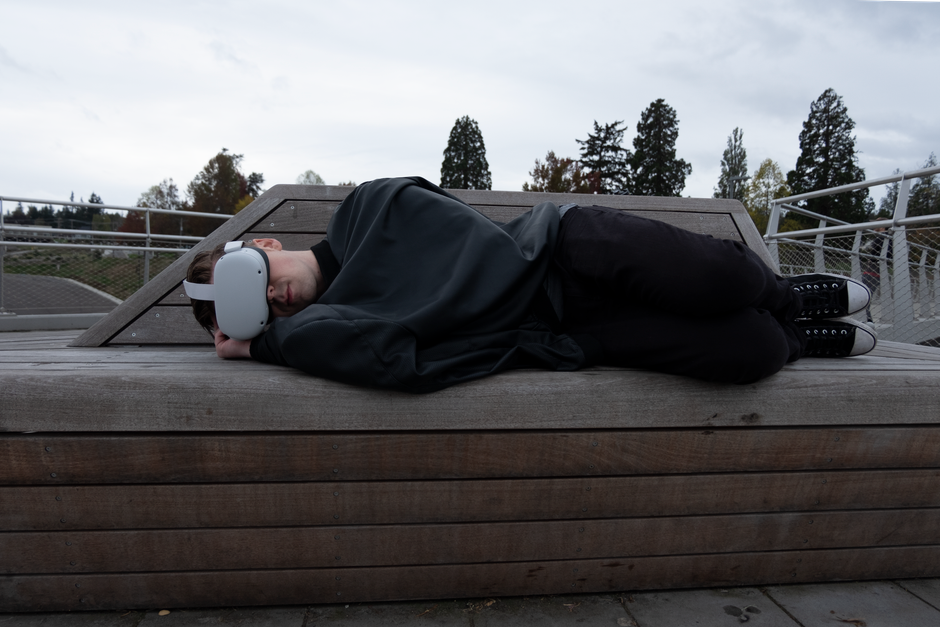
Smart headband sleep tech can improve wind-down routines, reduce sleep onset time, and mask noise—but it won't fix sleep apnea, chronic insomnia, or a chaotic schedule on its own. What a smart headband can fix is mild sleep friction and poor bedtime habits. What it cannot fix are medical sleep disorders and lifestyle problems that require real change.
- Smart sleep headbands improve process, not cure disorders—best use is reducing friction before bed and building consistent routines.
- What smart headband sleep tech fixes best: poor wind-down habits, light bedtime anxiety, noise distraction, and weak sleep awareness.
- What it cannot fix: sleep apnea, long-running insomnia, depression, chronic pain, or schedules built around 5–6 hours of sleep.
- Comfort is the deciding factor; if the headband feels hot, tight, or annoying, the sleep tech loses effectiveness fast.
- Use sleep data as a trend tool, not a diagnosis; consumer wearables are useful for patterns, but they are not a sleep lab.
What smart headband sleep tech actually does
A smart sleep headband is a wearable that sits across your forehead or around your head and uses audio, motion sensing, EEG-style tracking, or stimulation to guide or measure sleep. That distinction matters because "smart headband" now covers very different products with different functions.
Some are sleep masks with speakers. Some track movement and estimate sleep stages. Some claim to read brain signals and time relaxation prompts before sleep. Those are not the same job and should not be judged the same way.
For most men, the real value is less dramatic than marketing suggests. A smart sleep headband can create a repeatable shut-down routine. If your nights run on late emails, scrolling, and random bedtimes, structure alone can help.
Where smart headband sleep tech helps most
- Sleep onset: helping you settle down and fall asleep faster
- Bedtime consistency: making your pre-bed routine more repeatable and predictable
- Sleep awareness: showing patterns in bedtime, wake time, and disruptions
- Noise management: masking outside sound with audio or soundscapes
- Behavior feedback: helping you connect late caffeine, alcohol, or screen time with worse nights
What smart headband sleep tech can realistically fix
Smart headband sleep tech can fix mild sleep friction—usually the gap between feeling tired and actually drifting off. If your main problem is that your brain stays switched on at night, a headband may help by adding cues that signal your body it is time to shut down.
The strongest use case is routine support. Put it on, lights go down, phone goes away, audio starts, breathing slows. That sequence works because it builds conditioning, not because the device is magical.
It can also help if you want better recovery habits. Poor sleep hurts training, reaction time, mood, and focus. A device that gets you to bed more consistently can be useful even if the tech itself is not doing all the heavy lifting.
Best-case uses for smart headband sleep tech
Smart headbands work best when the issue is light, specific, and changeable. Good examples include trouble winding down after work, racing thoughts that respond to breathwork or guided audio, mild noise disruption, and weak awareness of your actual sleep schedule.
If you are already doing the basics fairly well, smart headband sleep tech can be the nudge that turns "I should sleep more" into a real routine. That is a practical win, especially for men balancing training, work, and family life.
What smart headband sleep tech cannot fix
This is where the reality check matters. Smart headband sleep tech cannot overpower a real sleep disorder or a lifestyle that keeps wrecking sleep. If you snore loudly, gasp at night, wake with headaches, or feel exhausted even after enough time in bed, you need medical screening for sleep apnea, not another gadget.
The same goes for long-running insomnia. If your sleep problem has lasted for weeks or months, the first-line treatment is often CBT-I (cognitive behavioral therapy for insomnia), not consumer sleep tech. A wearable may support the process, but it is not the main treatment.
Smart headband sleep tech also cannot fix heavy alcohol use, big late meals, untreated anxiety, shift work, a hot room, or a schedule that only allows a few hours in bed. If the root problem is medical or behavioral, the headband is a support tool, not the solution.
Red flags that need more than smart headband sleep tech
- Loud snoring or witnessed pauses in breathing
- Insomnia that keeps showing up for weeks or months
- Severe daytime sleepiness or excessive fatigue
- Restless legs symptoms or periodic limb movements
- Depression, anxiety, or chronic pain driving sleep loss
- Consistently sleeping under 6 hours because of schedule overload
How to judge smart headband sleep tech claims without getting sold
The sleep tech market loves phrases like AI-powered, neuroscience-backed, and clinically proven. Sometimes those labels mean something. Often they are just polished packaging. A better filter is to ask what the device does, what evidence exists, and what outcome actually improved.
Use this filter before you buy smart headband sleep tech
- What problem is it solving? Sleep tracking, relaxation, noise masking, and stimulation are different functions.
- What evidence supports it? Look for peer-reviewed data, not just testimonials or brand summaries.
- What outcome improved? Faster sleep onset, fewer awakenings, more total sleep, or better next-day function.
- How comfortable is it? If it slips, squeezes, heats up, or bothers side sleepers, it will not last.
- Will it help habits or create dependence? Good sleep tech should support sleep skills, not make you anxious when the battery dies.
Another point worth keeping straight: even strong consumer wearables estimate sleep stages imperfectly when compared with full lab testing. That means your headband can be useful for patterns and trends, but not for diagnosing a disorder.
If a company promises dramatic brain optimization, perfect stage tracking, or clinical-grade accuracy without clear evidence, treat that as a sales pitch. Good sleep tech should sound useful, not miraculous.
Who should try smart headband sleep tech, and who should skip it
The best candidate is someone with mild sleep friction and decent habits. If your sleep is mostly okay but your nights get sloppy, smart headband sleep tech may be worth testing for a few weeks.
It makes sense for the guy who trains, works long days, and knows his sleep could be cleaner. You want a steadier routine, a calmer landing before bed, and better recovery. That is a realistic reason to try smart headband sleep tech.
You are a good candidate for smart headband sleep tech if
- You struggle more with winding down than staying asleep all night
- You want habit reinforcement and light sleep insights
- You respond well to audio, breathwork, or structured routines
- You are willing to test the device for 2 to 4 weeks, not 2 nights
Skip smart headband sleep tech or get medical guidance first if
- You suspect apnea, severe insomnia, or another sleep disorder
- You hate wearing anything on your head in bed
- You already know your main problem is late caffeine, screens, stress, or alcohol
- You expect one device to fix a bad schedule
A good rule is simple: fix the obvious stuff first. A cooler room, a steady sleep window, less evening light, and fewer drinks before bed will often beat expensive smart headband sleep tech.
How to get better results if you use smart headband sleep tech
If you buy smart headband sleep tech, use it like a coach, not a crutch. The device works best when it sits on top of habits that already make sense.
Pair smart headband sleep tech with these basics
- Set a fixed sleep window and stay within 30–60 minutes each night
- Cut caffeine 8 hours before bed if you are sensitive
- Dim lights 1 hour before bed to support natural sleep timing
- Keep the room cool, dark, and quiet
- Train hard, but not too late if late sessions leave you wired
- Keep your phone out of bed so the routine does not collapse into scrolling
Also, do not get trapped by the numbers. Sleep tracking can create its own stress, sometimes called orthosomnia. If smart headband sleep tech makes you obsess over perfect metrics, it is hurting more than helping.
The better move is to track a short list: how long it takes to fall asleep, total sleep opportunity, nighttime wake-ups, and next-day energy. If those improve over 2–4 weeks, the smart headband is doing its job.
FAQ
Do smart headbands for sleep really work?
Some do, for some problems. Smart headband sleep tech can help with guided relaxation, noise masking, routine building, and basic sleep tracking. They work best for mild sleep issues, not medical sleep disorders.
What can smart headband sleep tech fix better than a phone app?
Smart headband sleep tech can be better at creating a physical bedtime cue. That matters because putting on a sleep-only device can help separate sleep time from work, scrolling, and late-night stimulation.
Can smart headband sleep tech treat insomnia or sleep apnea?
No. Smart headband sleep tech may support relaxation or routine, but it is not a treatment for chronic insomnia or sleep apnea. If you have symptoms of either, talk to a clinician.
Are smart headband sleep tech metrics accurate?
They can be useful for trends, but they are not perfect. Consumer sleep tech can estimate timing and patterns reasonably well, yet it does not replace a full sleep study for diagnosis.
How long should you test smart headband sleep tech?
Give it 2 to 4 weeks. One or two nights is not enough because comfort, routine, and sleep timing all need time to settle before you can judge whether smart headband sleep tech helps.
What is the difference between smart headband sleep tech and a regular sleep mask?
A regular sleep mask blocks light. Smart headband sleep tech adds audio, motion tracking, or brain-signal sensing to guide relaxation, measure sleep stages, or provide feedback. The extra features may help some people, but they also add cost and complexity.
The bottom line on smart headband sleep tech
Smart headband sleep tech can fix routine, relaxation, noise management, and some sleep-onset friction. That is useful. It is just not the same as fixing insomnia, apnea, burnout, or a chaotic lifestyle.
If you want to try smart headband sleep tech, test it the same way you would test training gear: pick one clear goal, use it consistently, and judge it by results. If you fall asleep faster, wake less, and feel better the next day, keep it. If not, go back to the basics and address the real blocker.
Better sleep usually starts with boring basics done well. Good sleep tech can support that. It should never distract from it.
ActiveMan — Make Your Move
The Modern Guide to Men’s Health, Fitness & Lifestyle.


