
What Foods Are High in Fiber? Complete Guide
What foods are high in fiber? Discover beans, fruits, vegetables, whole grains, nuts, and seeds. Plus strategies to reach your daily fiber goal.

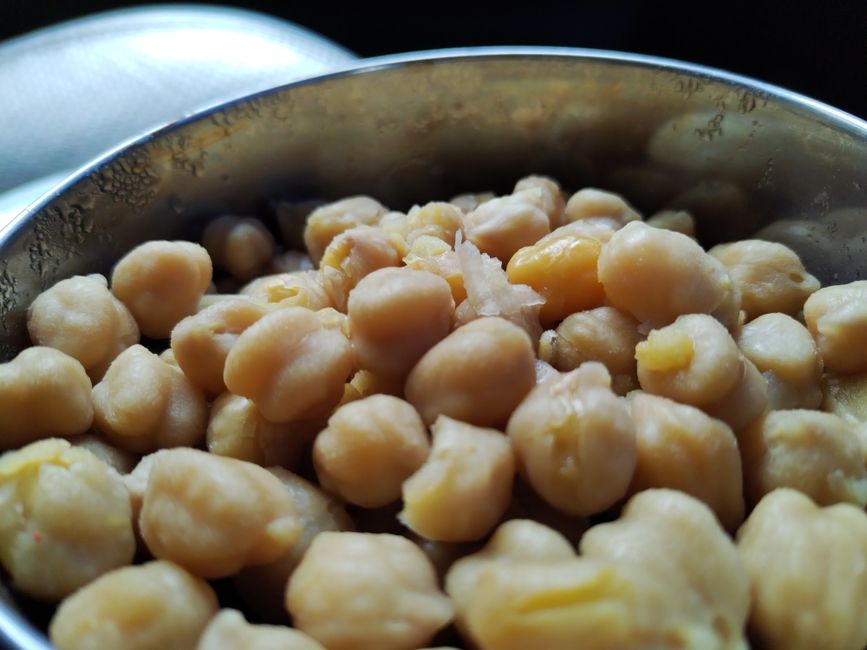
Foods high in fiber include beans, lentils, peas, oats, barley, berries, pears, apples, broccoli, Brussels sprouts, chia seeds, and almonds. If you want better digestion, steadier energy, and meals that keep you full longer, these plant-based foods are where to focus.
- Legumes, whole grains, fruits, vegetables, nuts, and seeds deliver most dietary fiber; animal foods contain none.
- Aim for 25 to 29 grams of fiber daily for measurable health benefits, according to a Lancet systematic review on carbohydrate quality.
- Beans and lentils are the fastest, most affordable way to boost fiber intake.
- Increase fiber gradually over 2-3 weeks and drink more water to avoid bloating and digestive discomfort.
- A high-fiber eating pattern naturally emphasizes minimally processed plant foods over ultra-processed options, linked to better weight and metabolic health in systematic reviews on ultra-processed food and obesity.
What foods are high in fiber?
High-fiber foods are almost exclusively plant-based. Fruits, vegetables, beans, lentils, peas, whole grains, nuts, and seeds all contain significant fiber. Animal foods—meat, eggs, fish, and dairy—provide protein and nutrients but zero fiber.
If you are asking what foods are high in fiber for better gut health, appetite control, or digestion, the answer is simple: eat more plants in whole, less-processed forms.
Large evidence reviews consistently link higher fiber intake with better long-term health outcomes. Resources like the Harvard Nutrition Source on fiber offer practical guidance. One major review found that diets higher in fiber and whole grains were associated with lower risk of chronic disease and all-cause mortality, with significant benefits seen around 25 to 29 grams of fiber per day, according to a Lancet systematic review and meta-analysis on carbohydrate quality.
For active men, this matters in practice. Fiber makes meals more satisfying, supports steady blood sugar, and helps you stay full without constant hunger.
Best high-fiber food groups to eat regularly
Start with these categories. They appear consistently in clinical nutrition guidance because they make hitting your fiber target straightforward without overthinking.
Beans, lentils, and peas
Legumes are the fiber champions. Black beans, chickpeas, kidney beans, split peas, and lentils pack substantial fiber into a single serving, plus slow-digesting carbs that support satiety and steady energy.
- Lentils (8g fiber per cooked cup)
- Black beans (15g fiber per cooked cup)
- Chickpeas (12g fiber per cooked cup)
- Split peas (16g fiber per cooked cup)
- Kidney beans (13g fiber per cooked cup)
Use them in chili, grain bowls, soups, tacos, and simple sides with olive oil and seasoning.
Whole grains
Whole grains outperform refined grains for fiber content. Oats, barley, quinoa, whole-wheat pasta, brown rice, and bran cereal all deliver meaningful amounts. Oatmeal is one of the easiest breakfast upgrades from low-fiber toast or sugary cereal.
- Oats and oatmeal (8g fiber per cooked cup)
- Barley (6g fiber per cooked cup)
- Bran cereal (10g+ fiber per serving)
- Whole-wheat bread (3-4g fiber per slice)
- Brown rice and farro (4g fiber per cooked cup)
Fruits
Fruit deserves recognition for fiber content. Berries, pears, apples, oranges, prunes, and figs all contribute meaningfully. The peel and pulp contain most of the fiber, so whole fruit beats juice.
- Raspberries and blackberries (8g fiber per cup)
- Pears with skin (6g fiber per medium fruit)
- Apples with skin (4g fiber per medium fruit)
- Oranges (3g fiber per medium fruit)
- Prunes and dried figs (1.5g fiber each)
Berries offer excellent fiber density with lower calories, making them ideal for fat-loss phases.
Vegetables
Vegetables add fiber without excess calories. Broccoli, Brussels sprouts, carrots, artichokes, green peas, and sweet potatoes are smart choices. If your current intake is low, cooked vegetables may be easier to tolerate than large raw salads.
- Broccoli (2.4g fiber per cooked cup)
- Brussels sprouts (4g fiber per cooked cup)
- Artichokes (7g fiber per medium artichoke)
- Green peas (9g fiber per cooked cup)
- Sweet potatoes (6g fiber per medium baked potato)
Nuts and seeds
Chia seeds, flaxseed, almonds, pistachios, and pumpkin seeds raise fiber quickly and store easily. Add them to yogurt, oatmeal, smoothies, or salads for a fiber boost.
One caveat: nuts and seeds are nutrient-dense but calorie-dense. Use them strategically if body composition is a priority.
High-fiber meals for an active lifestyle
The best eating plan is one you can sustain. For most men, high-fiber eating works best when it becomes automatic, built into default meals rather than treated as a temporary health project.
Easy high-fiber breakfasts
- Oatmeal with berries, chia seeds, and peanut butter
- Greek yogurt with raspberries, flaxseed, and bran cereal
- Whole-grain toast with avocado and fruit on the side
Simple high-fiber lunches
- Lentil soup with a side salad
- Brown rice bowl with black beans, chicken, salsa, and vegetables
- Whole-grain wrap with turkey, hummus, greens, and shredded carrots
Dinners that deliver fiber
- Chili with beans and extra vegetables
- Salmon with roasted Brussels sprouts and sweet potato
- Stir-fry with edamame, broccoli, peppers, and barley or brown rice
For better gut health alongside higher fiber intake, variety matters more than perfection. In a Cell study on microbiota-targeted diets, high-fiber approaches increased intake substantially, though responses varied. The practical takeaway: consistency and food diversity outweigh chasing single "superfoods." For additional reading on the gut-brain connection and practical strategies, see Gut health and mental wellness.
How to increase fiber without digestive issues
The biggest mistake is jumping from low fiber to very high fiber overnight. Your gut adapts better with a gradual increase.
- Add one fiber-rich food at a time. Swap white bread for whole grain, then add beans, then add berries over successive weeks.
- Drink significantly more water. Fiber works best when hydration increases alongside it.
- Start with cooked vegetables if raw salads cause bloating.
- Spread fiber across all meals. Avoid cramming it into one large meal.
- Reduce ultra-processed foods. Many are low in fiber and easy to overeat, a pattern linked to obesity risk in systematic reviews of ultra-processed food consumption.
During fat-loss phases, fiber becomes even more valuable. It makes lower-calorie meals feel more filling, which is why whole-food carbs often outperform refined snacks when managing hunger.
Should you use fiber supplements or stick to food?
Food should be your primary source. Whole foods deliver fiber plus vitamins, minerals, water, and phytonutrients that isolated powder cannot match. A bowl of lentils or berries provides far more nutritional benefit than fiber supplements alone.
Some men use supplements for convenience or when diet falls short. But if you are asking what foods are high in fiber, building meals around real foods first is the stronger long-term strategy.
There is also a metabolic angle. Whole grains and higher-fiber eating patterns have been studied in diabetes management and metabolic health, with evidence supporting benefits for glucose control and body-weight markers in several populations, according to a systematic review and meta-analysis on dietary fiber, whole grains, and diabetes management.
One important note: if you have IBS, inflammatory bowel disease, or another digestive condition, your best high-fiber choices may differ. Individual tolerance varies, and some fiber forms are easier to handle than others. In digestive disease contexts, evidence is more nuanced and depends on the individual, as outlined in an umbrella review on diet and inflammatory bowel disease.
FAQ
What foods are high in fiber and high in protein?
Beans, lentils, chickpeas, edamame, and split peas are your best options. They deliver a useful combination of fiber and protein, making meals more satisfying and practical for training, recovery, and fat loss. For guidance on combining protein with satiety-focused choices, see High Protein Foods: Best Options for Muscle & Fullness.
What fruit is highest in fiber?
Raspberries, blackberries, pears, and apples with skin lead common options. Dried fruits like prunes and figs also help, but watch portion sizes since they are more concentrated in calories.
How can I increase my fiber intake quickly?
Start simple: switch to oats or whole-grain bread, add beans or lentils to one meal daily, and make berries or pears your default fruit. Increase gradually and drink more water so your digestive system adapts.
Are fiber supplements as good as high-fiber foods?
Supplements can help in specific situations, but whole foods are the better default. Foods high in fiber also bring more nutrients, more volume, and superior meal quality overall.
What drink is high in fiber?
Most beverages lack natural fiber, but smoothies made with whole fruit, oats, and chia seeds can help significantly. Juice is weaker because most fiber is removed during processing.
How much fiber should I eat per day?
Aim for 25 to 29 grams of fiber daily for measurable health benefits. Some evidence suggests additional benefits at higher intakes, but most men see meaningful results in this range when combined with adequate water intake.
The bottom line
If you have been wondering what foods are high in fiber, the answer is straightforward: beans, lentils, whole grains, fruit, vegetables, nuts, and seeds should form the foundation. The best plan is not exotic—it is repeatable.
Pick two or three upgrades you can maintain this week. Try oatmeal instead of sugary cereal, add beans to one meal daily, and keep berries or pears on hand as your default fruit.
Eat more real plant foods, increase gradually, stay hydrated, and let consistency do the heavy lifting.
ActiveMan — Make Your Move
The Modern Guide to Men’s Health, Fitness & Lifestyle.


