
Zone 2 Cardio for Lifters: Build Endurance Without Losing Size

You lift to get stronger, build muscle, and stay capable. But if walking up stairs leaves you breathing hard, your engine needs work. Zone 2 cardio for lifters is one of the smartest ways to improve conditioning without wrecking your legs, draining recovery, or cutting into size.
A lot of guys avoid cardio because they think it kills gains. That idea is overblown. The right kind of cardio can actually help you train harder, recover faster, and stay leaner year-round. The key is doing the right intensity for the right amount of time.
Zone 2 cardio for lifters sits in the sweet spot. It is easy enough to recover from, but hard enough to improve aerobic fitness, heart health, and work capacity. If you want better conditioning without turning into a marathon runner, this is the play.
What Is Zone 2 Cardio for Lifters?
Zone 2 cardio for lifters means steady-state aerobic work done at a moderate effort, usually around 60 to 70 percent of max heart rate. You should be able to hold a conversation, but not sing. Breathing is controlled, not gasping.
This intensity relies mostly on aerobic metabolism. That matters because it helps your body become better at using oxygen, clearing fatigue, and producing energy efficiently. For lifters, that can mean better recovery between sets, better recovery between sessions, and less burnout across a training block.
How to know you are in zone 2
You do not need a lab test. Most guys can use one of these simple methods:
Talk test: You can speak in full sentences, but your breathing is clearly elevated.
Heart rate: Roughly 60 to 70 percent of max heart rate. A simple estimate for max heart rate is 220 minus your age, though wearable trackers can help fine-tune it.
Effort: Around a 4 to 6 out of 10. You feel like you are working, but never straining.
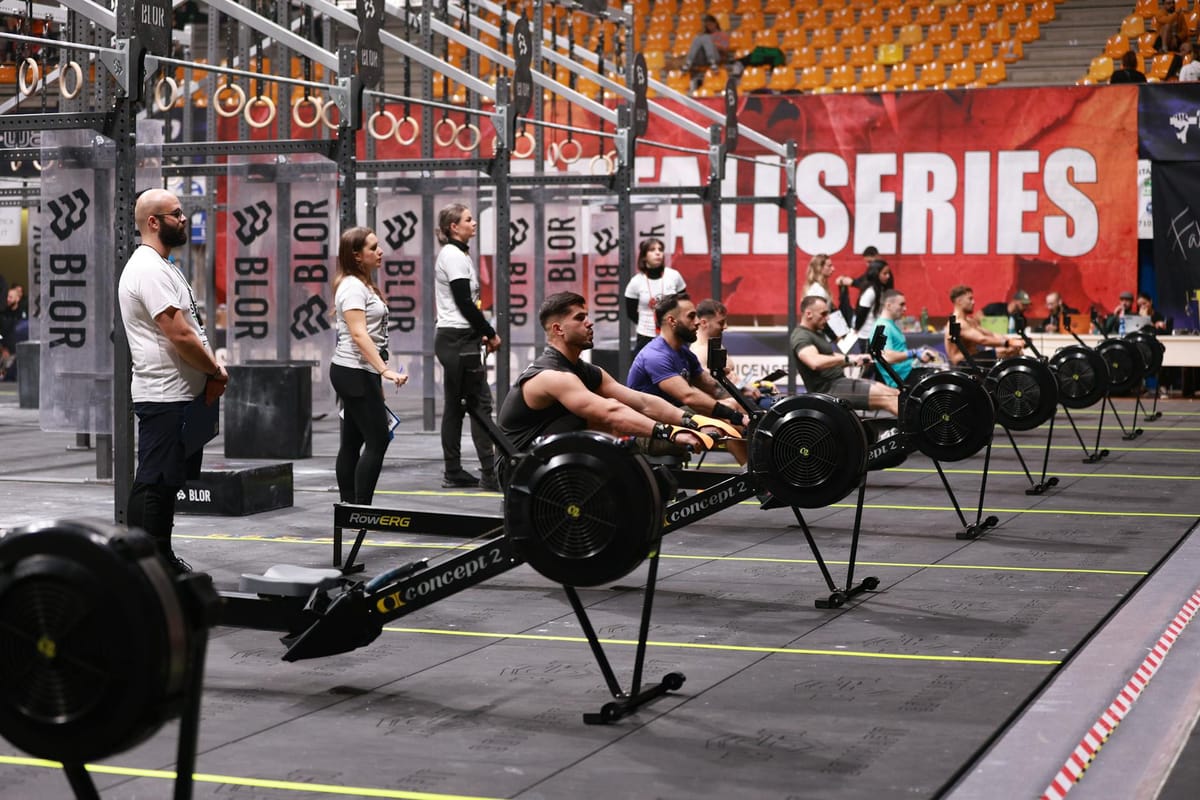
Good options include incline walking, cycling, rowing, light jogging, hiking, or easy sled drags. For most lifters, low-impact choices work best because they do not add much muscle damage.
Why Lifters Benefit From Zone 2 Cardio
If your goal is strength or hypertrophy, you might wonder why any cardio belongs in the plan. The answer is simple: a better aerobic base supports better lifting.
It improves recovery
Hard lifting creates fatigue. A stronger aerobic system helps you recover between sets and clear metabolic byproducts more efficiently. That means you may feel fresher during high-volume sessions and less cooked after leg day.
It raises work capacity
Work capacity is your ability to handle training volume without falling apart. Zone 2 cardio for lifters can improve how much quality work you can perform in the gym. That matters for hypertrophy blocks, short rest periods, supersets, and conditioning-heavy strength phases.
It supports heart health
Being strong does not automatically mean being fit. Cardiovascular health still matters. Zone 2 work can help lower resting heart rate, improve blood pressure markers, and build a stronger engine for long-term health and performance, as outlined by the American Heart Association’s target heart rate guidance.
It may help body composition
Zone 2 burns calories without the recovery cost of hard intervals. That makes it useful during a cut or maintenance phase. You can increase energy expenditure without beating yourself up or interfering with heavy lifting.
It can reduce the “gassed” feeling in training
Ever had your lungs fail before your muscles do? That is common in high-rep squats, loaded carries, circuits, and even bodybuilding-style sessions. Zone 2 cardio for lifters helps close that gap so conditioning does not become the weak link.
Will Zone 2 Cardio Kill Your Gains?
Short answer: no, not when programmed well.
The interference effect gets thrown around a lot, but context matters. Problems usually show up when lifters do too much high-intensity cardio, too much endurance volume, or place conditioning too close to hard lower-body sessions.
Zone 2 is different. It is lower stress, easier to recover from, and less likely to compete with strength and muscle growth. In fact, many lifters find they feel better and perform better when they add a few smart aerobic sessions each week.
How to avoid interference
Keep sessions moderate. Most lifters do well with 2 to 4 sessions per week.
Use low-impact tools. Incline treadmill walking, cycling, elliptical, or rowing are often better than pounding out miles on pavement.
Separate cardio and lifting when possible. If you do both on the same day, lift first if strength and hypertrophy are the main goals.
Avoid turning zone 2 into a race. If you keep drifting into harder efforts, recovery cost goes up fast.
The goal is to support your lifting, not replace it.
How to Program Zone 2 Cardio for Lifters
The best plan is the one you will recover from and actually do. For most guys, zone 2 cardio for lifters works best when it is simple and repeatable.
How much to do
A strong starting point is 2 to 3 sessions per week for 20 to 40 minutes. If your conditioning is poor, start with 20 minutes. If you already have a decent base, build toward 45 minutes.
That is enough to improve aerobic fitness without crowding out your main training.
Best timing options
On rest days: Great for active recovery. This is often the easiest option.
After upper-body lifting: A solid choice if you want to keep lower-body days focused on recovery.
Separate sessions: Ideal if your schedule allows it. Morning cardio and evening lifting works well.
After lower-body days: Usually not the best move if your legs are already fried.
Best modalities for lifters
Incline walking: Easy to control, joint-friendly, and highly effective.
Stationary bike: Low impact and easy to monitor by heart rate.
Rowing machine: Useful, but watch intensity. It can creep too high fast.
Elliptical: Good option if you want minimal soreness.
Outdoor walking or hiking: Great for consistency and stress reduction, especially if you are trying to build small daily fitness habits with big impact.
A sample weekly setup
Here is a simple approach for a four-day lifting split:
Monday: Upper body lift + 20 to 30 minutes zone 2
Tuesday: Lower body lift
Wednesday: 30 to 40 minutes zone 2
Thursday: Upper body lift
Friday: Lower body lift
Saturday: 30 minutes zone 2 or easy outdoor walk
Sunday: Off
This setup keeps the priority on strength training while using zone 2 cardio for lifters to build recovery and conditioning in the background.
Common Mistakes Lifters Make With Zone 2 Cardio
The method is simple, but a few mistakes can make it less effective.
Going too hard
This is the big one. Most guys think easy cardio is too easy, so they speed up. Then it becomes a threshold workout. If you cannot hold a conversation, back off.
Doing too much too soon
If you are already lifting hard four to six days per week, adding hours of cardio is a bad idea. Start small. Let your recovery tell you what you can handle.
Picking high-impact options
Running can work, but for bigger lifters or guys with beat-up joints, it often creates more fatigue than benefit. Walking and cycling are usually better starting points.
Ignoring nutrition
More activity means more total demand. If performance drops, sleep worsens, or your lifts stall, check calories and carbs before blaming cardio. Pairing your aerobic work with smart nutrition timing for muscle recovery can help keep energy and performance on track.
Expecting instant results
Aerobic gains build over time. Give it a few weeks. Many lifters first notice better recovery, lower heart rate during warm-ups, and less fatigue in high-rep work.
FAQ: Zone 2 Cardio for Lifters
How many times per week should lifters do zone 2 cardio?
Most lifters do well with 2 to 4 zone 2 sessions per week. A good starting point is 2 to 3 sessions lasting 20 to 40 minutes each.
Can zone 2 cardio help muscle growth?
Indirectly, yes. Zone 2 cardio for lifters can improve recovery, increase work capacity, and help you handle more quality training volume. That supports hypertrophy over time.
Should I do zone 2 before or after lifting?
If strength or muscle gain is the goal, do it after lifting or in a separate session. Doing it before lifting may reduce performance, especially on heavy lower-body days.
What is the best type of zone 2 cardio for lifters?
For most guys, incline treadmill walking and stationary cycling are the best options. They are easy to recover from, easy to track, and less likely to interfere with leg training.
Is zone 2 better than HIIT for lifters?
For recovery and consistency, usually yes. HIIT has a place, but it creates more fatigue. Zone 2 cardio for lifters is easier to recover from and easier to fit alongside a serious strength program.
How long does it take to see results from zone 2 cardio?
Many lifters notice better endurance and recovery within 3 to 6 weeks. Lower heart rate at a given pace and less fatigue during workouts are common early signs.
You do not need endless cardio to be fit. You need the right dose. Zone 2 cardio for lifters gives you a bigger engine, better recovery, and stronger long-term health without pulling focus from muscle and strength.
Start with two sessions a week. Keep the effort controlled. Use a low-impact machine or a brisk incline walk. Then let consistency do the work.
If your goal is to lift hard, stay athletic, and feel better between workouts, zone 2 cardio for lifters belongs in your plan. Add it in, track how you recover, and build from there.
ActiveMan — Make Your Move
The Modern Guide to Men’s Health, Fitness & Lifestyle.


