
Garage Gym Flooring for Deadlifts: Best Setup Guide

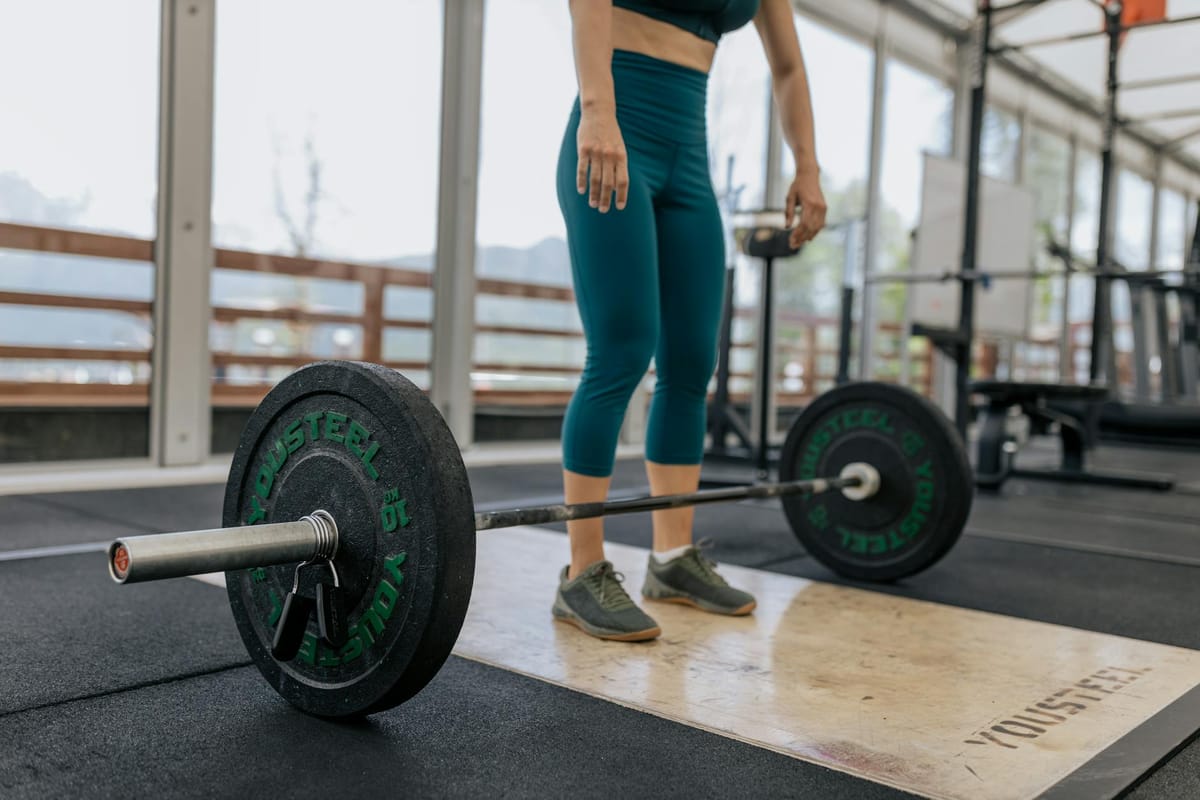
Garage gym flooring for deadlifts needs to do three jobs: protect the concrete, stay stable under heavy weight, and cut noise when the bar comes down. If your floor is too soft, too thin, or uneven, your setup breaks down fast.
The short answer: for most home gyms, start with 3/4-inch rubber stall mats on level concrete. If you pull heavy, use iron plates, or want the best long-term setup, a deadlift platform with plywood and rubber is the smarter move.
This guide covers the best materials, platform builds, thickness requirements, and noise-control upgrades so you can build garage gym flooring for deadlifts that holds up under real weight — session after session.
Why Deadlifts Need Specialized Garage Gym Flooring
Deadlifts hit flooring harder than almost any other lift. The load is heavy, the force is direct, and the impact repeats every session. That is why garage gym flooring for deadlifts needs more than basic gym mats or a bare concrete slab.
A solid setup should do three things well: protect the slab, keep your stance stable, and reduce vibration. Miss one of those, and you will feel it in your floor, your lift, or your home.
Protect the Concrete Below
Concrete is durable, but repeated barbell impact can chip or wear the surface over time. That risk increases with iron plates, rack pulls, or hard drops.
Dense rubber and a proper platform spread force across a wider area, lowering stress on any single point and helping your garage floor last longer.
Keep Your Pull Stable
Soft flooring changes how the bar breaks from the floor. Too much compression throws off your setup, bar path, and rep-to-rep consistency.
The best garage gym flooring for deadlifts feels firm underfoot. You want impact absorption without turning the floor into a cushion that shifts under load.
Reduce Noise and Vibration
Deadlifts get loud in a garage. Sound travels through the slab, walls, and door — especially in attached garages connected to living spaces.
Thick rubber, a deadlift platform, and crash pads can cut both noise and vibration, making early-morning or late-night training easier to live with.
Best Materials for Garage Gym Flooring for Deadlifts
Material choice matters more than aesthetics. For a deadlift zone, you want flooring that is dense, thick, and built for repeated impact.
Horse Stall Mats
Horse stall mats are the best value for most home gym owners. They are typically 3/4 inch thick, heavy, and durable enough for serious barbell work.
For garage gym flooring for deadlifts, stall mats are a strong baseline. They protect concrete, improve grip, and cost significantly less than most commercial rubber flooring. The tradeoffs are weight, initial rubber smell, and quality variation between suppliers.
Commercial Rubber Gym Tiles
Commercial rubber tiles work well when they are rated for free-weight areas. Thin decorative tiles or light-duty interlocking flooring will not hold up to deadlift impact over time.
Compared with stall mats, rubber tiles often look cleaner and fit together more precisely. They also tend to cost more. If performance and budget both matter, stall mats usually offer better value for a home deadlift setup.
Plywood Lifting Platforms
A deadlift platform is often the best answer for serious pulling. Most builds use layered plywood as the base, with rubber on both landing zones and a wood center section for your stance.
That combination gives you a firm pulling surface, better force distribution, and stronger floor protection. If you want the best overall garage gym flooring for deadlifts, a platform is hard to beat.
Crash Pads
Crash pads are not a full flooring solution, but they are a useful addition. They sit directly under the plates and absorb impact when the bar lands.
If your main problem is noise — or your garage shares a wall with the house — crash pads are one of the simplest and most effective upgrades you can add to your deadlift zone.
How to Build the Right Deadlift Setup in Your Garage
You do not always need to cover the entire garage floor. In most cases, a dedicated lifting zone is the smarter and more cost-effective choice. The right setup depends on your training style, plate type, and noise tolerance.
Option 1: Stall Mats Over Concrete
This is the simplest route. Lay 3/4-inch stall mats over clean, level concrete. For many lifters, that is enough for moderate to heavy pulls with bumper plates and controlled lowering.
If you want affordable, no-nonsense garage gym flooring for deadlifts, this is the best place to start — especially if you are just building out your home gym.
Option 2: Dedicated Deadlift Platform
A deadlift platform is the gold standard for home gym pulling. A common build uses layered plywood under the full surface, rubber on the landing zones, and wood in the center for your stance.
This setup makes sense if you lift heavy, use iron plates, or want better long-term protection for the slab. It also creates a clear training area and keeps your garage gym more organized.
Option 3: Platform Plus Crash Pads
If noise is the primary issue, this is the strongest setup available. The platform gives you stability and structure. The crash pads absorb the hit when the plates land.
For attached garages and shared homes, this is one of the smartest garage gym flooring setups for deadlifts you can build. It costs more upfront, but it solves more problems long-term.
How Much Thickness Do You Need?
For most lifters, 3/4-inch rubber is the practical minimum. That thickness handles most garage setups when the floor is level and the bar is lowered with control.
If you use iron plates, pull heavy, or drop the bar regularly, build more protection into the setup. A platform adds structure and distributes force far better than thin mats alone.
Common Mistakes to Avoid With Garage Gym Flooring
Most flooring problems come from a handful of bad decisions. Avoid these, and your setup will last longer and perform better every session.
Using Foam Puzzle Tiles
Foam tiles are too soft for barbell work. They compress, shift, and tear under load. They are fine for stretching or bodyweight training — not for deadlifts.
Buying Only on Price
Cheap flooring usually means lower density and less durability. That leads to faster wear, worse performance underfoot, and more money spent replacing it sooner.
Good garage gym flooring for deadlifts costs less than replacing bad flooring twice.
Ignoring Your Plate Type
Bumper plates are far easier on floors than iron or calibrated steel plates. The harder the plate, the more your flooring needs to absorb on every rep.
Your flooring choice should match how you actually train right now — not how you plan to train someday.
Laying Mats Over Dirty or Uneven Concrete
Dust, oil, cracks, and uneven spots cause mats to shift, wear unevenly, and lose grip over time. Start with a clean, dry, level surface and fix major issues before installing anything.
Forgetting About Noise Control
Even strong rubber flooring can still transmit vibration through the slab. If your training space shares walls with the house, plan for vibration control from the start — not as an afterthought.
How to Choose the Best Option for Your Training Style
The best garage gym flooring for deadlifts depends on how you actually train. There is no single setup that fits every lifter or every garage.
Beginner to Intermediate Lifters
If your deadlifts are controlled and the weight is still moderate, 3/4-inch stall mats on concrete are usually enough. This setup delivers strong value without overbuilding for where you are right now.
Heavy Strength Training
If deadlifts are a priority lift and the numbers keep climbing, build a platform. You will get more consistency underfoot and better protection where the plates land on every set.
Bumper Plates and Frequent Drops
If you train hard and sometimes drop reps, combine thick rubber with a platform or crash pads. As impact frequency goes up, your floor needs more help absorbing it.
Attached Garages and Shared Homes
If noise is the main concern, prioritize rubber density, platform structure, and crash pads together. The right setup is the one that lets you train hard without shaking the house at 6 a.m.
FAQ: Garage Gym Flooring for Deadlifts
What is the best flooring for deadlifts in a garage?
For most serious lifters, the best setup is a deadlift platform with layered plywood and 3/4-inch rubber on the landing zones. If you want a simpler, more affordable option, horse stall mats over level concrete work well for controlled pulling with bumper plates.
Are horse stall mats good for deadlifts?
Yes. They are one of the most popular choices for garage gym flooring for deadlifts because they are thick, dense, durable, and cost-effective. They perform best over clean, level concrete and hold up well under regular barbell work.
How thick should garage gym flooring be for deadlifts?
3/4-inch rubber is the minimum worth using for most garage setups. Heavy pulls, iron plates, and dropped reps may call for a full platform or the addition of crash pads beneath the plates.
Can deadlifts damage a garage floor?
Yes. Repeated heavy impact can chip or wear concrete over time, especially with iron plates or uncontrolled drops. Proper rubber flooring and a platform help spread force and significantly reduce that risk over years of training.
Do I need a platform if I already have rubber mats?
Not always. Thick rubber mats may be enough if your pulls are controlled and the weight is moderate. If you train heavy, use iron plates, or want the best long-term setup for your slab, a platform is the better choice.
How do I reduce deadlift noise in a garage gym?
Use dense rubber flooring, a deadlift platform, and crash pads under the plates. Lowering the bar with control on every rep also helps significantly. The biggest noise reduction comes from absorbing impact at the point where the plates hit the floor.
Garage gym flooring for deadlifts is not where you want to cut corners. The right setup protects your slab, keeps your pull stable, and makes hard training easier to repeat week after week.
For most guys, stall mats are the practical starting point. For heavier lifting and long-term use, a platform is the better call. Build around your plate type, noise needs, and training style — then set up a space that can take real work.
Want a garage gym that holds up? Start with the floor. A smarter surface makes consistent, heavy lifting easier every time you step to the bar.
ActiveMan — Make Your Move
The Modern Guide to Men’s Health, Fitness & Lifestyle.


