
Glute and Hamstring Workout for Strength and Size

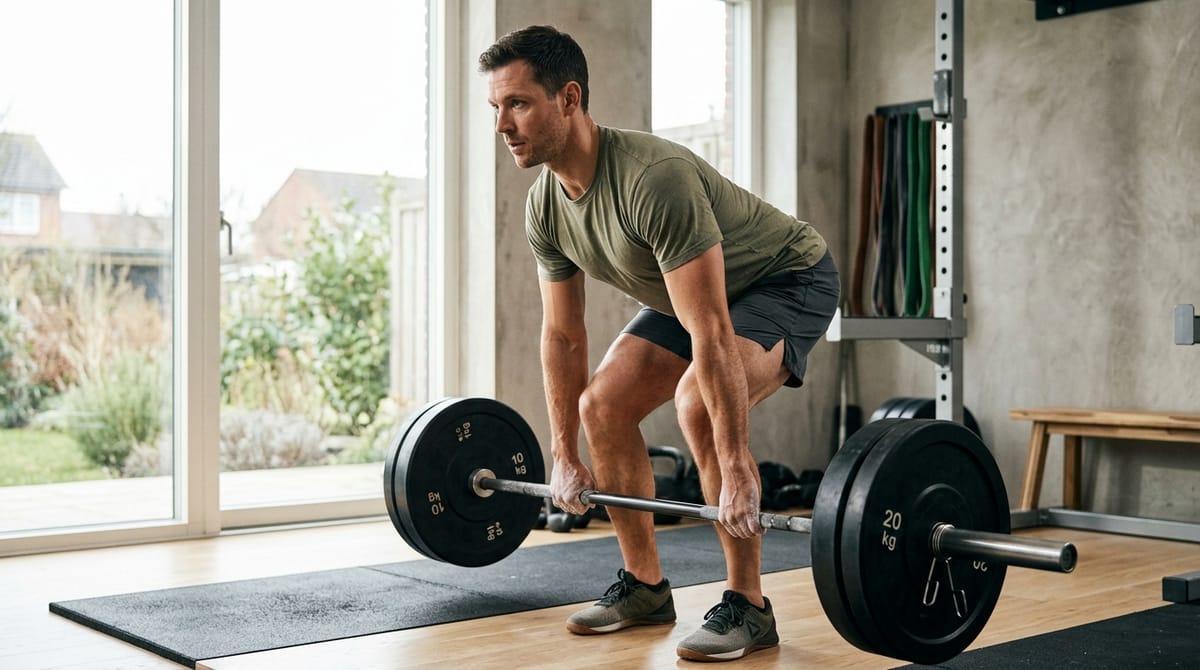
A glute and hamstring workout builds more than muscle. It improves hip drive, supports lower-body strength, and helps you move with more power in the gym and in daily life. The most effective approach combines a hip hinge, a glute-dominant thrust, a unilateral movement, and direct hamstring isolation — trained 1 to 2 times per week with progressive overload.
Too often, posterior chain work gets pushed to the end of leg day. Quads get most of the attention, while glutes and hamstrings get a few rushed sets. That usually means slower progress, weaker lockouts, and less balanced lower-body development.
If your goal is to build size, improve performance, and train smarter, a focused glute and hamstring workout should be a regular part of your plan. Below, you'll find the best exercises, a complete routine, and the programming tips that make it effective.
Why Glute and Hamstring Training Matters
Your glutes and hamstrings drive hip extension, which powers movements like deadlifts, sprinting, jumping, climbing stairs, and standing up from a squat. When these muscles are strong, big lifts feel smoother and athletic movement feels sharper.
The glutes also stabilize the pelvis, while the hamstrings assist with knee flexion and help control deceleration. Together, they support stronger mechanics through the hips and knees — making them essential for both performance and injury resilience.
A smart posterior chain workout can help you:
- Build more lower-body muscle mass
- Improve squat and deadlift performance
- Boost sprint and jump power
- Support hip and knee joint function
- Develop a stronger, more athletic physique
If you spend long hours sitting, this work matters even more. Regular glute and hamstring training helps groove better hip mechanics and gets more out of every lower-body session.
The Best Exercises for a Glute and Hamstring Workout
The most effective glute and hamstring workout blends heavy compound lifts, moderate-volume hypertrophy work, and targeted isolation. You want movements that train the hip hinge, challenge the hamstrings under stretch, and let the glutes finish hard at full hip extension.
1. Romanian Deadlift
The Romanian deadlift is the foundation of any posterior chain training day. It loads the hamstrings in a lengthened position and teaches a clean hip hinge pattern. Keep a soft knee bend, push the hips back, and lower the weight only as far as you can maintain a neutral spine.
Why it works: Strong tension on the hamstrings and glutes through a long range of motion, with excellent carryover to conventional deadlifts and overall lower-body strength.
2. Barbell Hip Thrust
The hip thrust is one of the strongest choices for direct glute hypertrophy. It loads the top of hip extension, where the glutes produce their hardest contraction. Pause briefly at the top and avoid over-arching your lower back.
Why it works: High glute activation (see EMG research), clear load progression, and lower skill demand compared with heavier barbell lifts — making it ideal for consistent weekly training.
3. Bulgarian Split Squat
This single-leg exercise challenges the glutes, adductors, and quads while exposing side-to-side strength imbalances. A slight forward lean shifts more work to the glutes without compromising rep quality.
Why it works: Strong glute loading, valuable unilateral strength development, and less spinal fatigue than bilateral compound lifts.
4. Lying or Seated Leg Curl
Because the hamstrings cross the knee joint, direct knee-flexion work deserves a place in your plan. Leg curls build fuller hamstrings and pair well with hip hinge movements to cover both functions of the muscle.
Why it works: Direct hamstring isolation with minimal systemic fatigue — a smart complement to heavier compound work.
5. Glute-Focused Back Extension
Done correctly, the back extension becomes a strong glute and hamstring builder rather than a lower-back drill. Keep the chin tucked, let the hips move freely, and focus on driving through the hips rather than lifting with the spine.
Why it works: Effective posterior chain accessory work with simple setup, manageable loading, and easy progression.
6. Walking Lunge or Reverse Lunge
Lunges train the glutes through a long range of motion and add valuable single-leg control. Reverse lunges are generally easier on the knees, while walking lunges create more continuous tension through each set.
Why it works: Strong glute stimulus, improved balance, and practical lower-body strength that transfers to real-world movement.
A Complete Glute and Hamstring Workout You Can Use
Here is a practical glute and hamstring workout built for strength and hypertrophy. Use it as your main posterior chain session or as a dedicated lower-body day focused on glutes and hamstrings.
Warm-Up
- 5 minutes light bike or incline walk
- Bodyweight glute bridges — 15 reps
- Hip hinge drill — 10 reps
- Walking lunges — 10 reps each side
- Leg swings — 10 reps each side
Goal: Raise body temperature, open the hips, and rehearse the hinge pattern before heavier sets begin.
Main Workout
- Romanian Deadlift — 4 sets of 6–8 reps
- Barbell Hip Thrust — 4 sets of 8–10 reps
- Bulgarian Split Squat — 3 sets of 8–10 reps per leg
- Seated or Lying Leg Curl — 3 sets of 10–12 reps
- Glute-Focused Back Extension — 3 sets of 12–15 reps
- Walking Lunge — 2 sets of 20 total steps
Rest around 2 minutes on the first two lifts and 60 to 90 seconds on the remaining movements. Choose loads that bring you close to failure without breaking form on any rep.
How Hard Should You Train?
For most working sets, stop with about 1 to 2 reps in reserve. The set should feel hard, but not sloppy. On isolation movements like leg curls and back extensions, you can push closer to failure if technique stays clean throughout.
Key takeaway: The best glute and hamstring workout is not just intense — it is controlled, progressive, and sustainable enough to repeat every week and improve over time.
Programming Tips for Better Glute and Hamstring Growth
Exercise selection matters, but your results depend heavily on programming. If your posterior chain development is lagging, these adjustments tend to produce fast improvements.
Train Glutes and Hamstrings 1 to 2 Times Per Week
Most men do well with one heavier session and one lighter or moderate session later in the week. That setup provides enough volume for growth without compromising recovery between sessions. Deciding where to place those sessions in your week depends on your overall split.
Use Multiple Rep Ranges
Heavy sets of 5 to 8 reps suit Romanian deadlifts and hip thrusts well. Moderate sets of 8 to 12 work for split squats and lunges. Higher reps of 12 to 15 fit leg curls and back extensions. Varying rep ranges across a session maximizes both strength and hypertrophy stimulus.
Train Both the Stretch and the Lockout
Hamstrings respond well to loaded lengthening, while glutes benefit from hard contractions at full hip extension. That is why a balanced glute and hamstring workout includes both a hinge variation and a thrust variation in the same session.
Progress With Control
Add weight when you hit the top of the rep range with clean technique. You can also progress by adding a rep, slowing the lowering phase, or tightening rest periods slightly. Consistent, controlled progression beats chasing heavy loads with poor form.
Prioritize These Muscles First in the Session
If glutes and hamstrings are your primary goal, train them early. Do not leave your main hinge movement until after quad-dominant work has already drained your energy and focus.
Common Mistakes That Weaken Your Glute and Hamstring Results
Even a well-designed glute and hamstring workout can fall flat if execution is off. These are the mistakes that cost the most progress over time.
Turning Hinges Into Lower-Back Lifts
On Romanian deadlifts and back extensions, the motion should originate from the hips. If your lower back takes over, reduce the load and clean up your setup before adding weight again.
Using Partial Range of Motion
Short reps cut tension on the target muscles. Lower the RDL with control, reach full hip extension on thrusts, and use complete reps on curls whenever technique allows.
Skipping Unilateral Work
Single-leg training builds balanced development and exposes weak links between sides. Split squats, lunges, and similar movements deserve regular rotation in your lower-body training plan.
Rushing the Tempo
Momentum reduces muscle tension. A controlled eccentric — especially on hamstring work — makes each rep significantly more productive and reduces injury risk over time.
Ignoring Recovery
Lengthened hamstring work creates serious soreness. Sleep, hydration, adequate protein intake, and smart session spacing all directly affect how well you recover and how consistently you progress.
FAQ: Glute and Hamstring Workout
What is the best glute and hamstring workout for muscle growth?
The best glute and hamstring workout for muscle growth combines a hip hinge, a glute-dominant thrust, a unilateral exercise, and direct hamstring isolation. A strong example is Romanian deadlifts, barbell hip thrusts, Bulgarian split squats, and seated leg curls — performed with progressive overload across 1 to 2 sessions per week.
How many times a week should I do a glute and hamstring workout?
Most men get strong results with 1 to 2 sessions per week. Two sessions work well for muscle hypertrophy when sleep, nutrition, and recovery are consistently managed. One heavier session and one lighter session is a practical split.
Can I do a glute and hamstring workout at home?
Yes. A home version can include dumbbell Romanian deadlifts, single-leg hip thrusts, sliding leg curls, reverse lunges, and banded glute bridges. Progressive overload and clean execution matter more than equipment. Add resistance bands or dumbbells as you get stronger.
Should I train glutes and hamstrings on the same day?
Yes. They work together in most hip-extension patterns, so combining them in one session is efficient and practical. Balance heavy compound lifts with lower-fatigue accessory work so form stays sharp throughout the session.
Are squats enough for glutes and hamstrings?
Squats train the glutes effectively, but they do not challenge the hamstrings enough for complete development. For a well-rounded lower-body plan, add hip hinges, leg curls, and hip thrust variations alongside your squat work.
How long does it take to see results from a glute and hamstring workout?
Most men notice meaningful strength improvements within 3 to 4 weeks of consistent training. Visible muscle development typically becomes apparent after 6 to 8 weeks of progressive, well-structured posterior chain work combined with adequate protein intake and recovery.
A focused glute and hamstring workout is one of the smartest upgrades you can make to your training. It builds size where it shows, strength where it counts, and power that carries into almost every lower-body movement you perform.
Run the session above for 6 to 8 weeks, track your loads and reps, and focus on clean progression each week. Stay consistent, train with intent, and your posterior chain will start looking and performing like a genuine strength asset. For more practical training guides built for men, explore more from ActiveMan.
ActiveMan — Make Your Move
The Modern Guide to Men’s Health, Fitness & Lifestyle.


