
Best Recovery Tools for Sore Muscles That Work

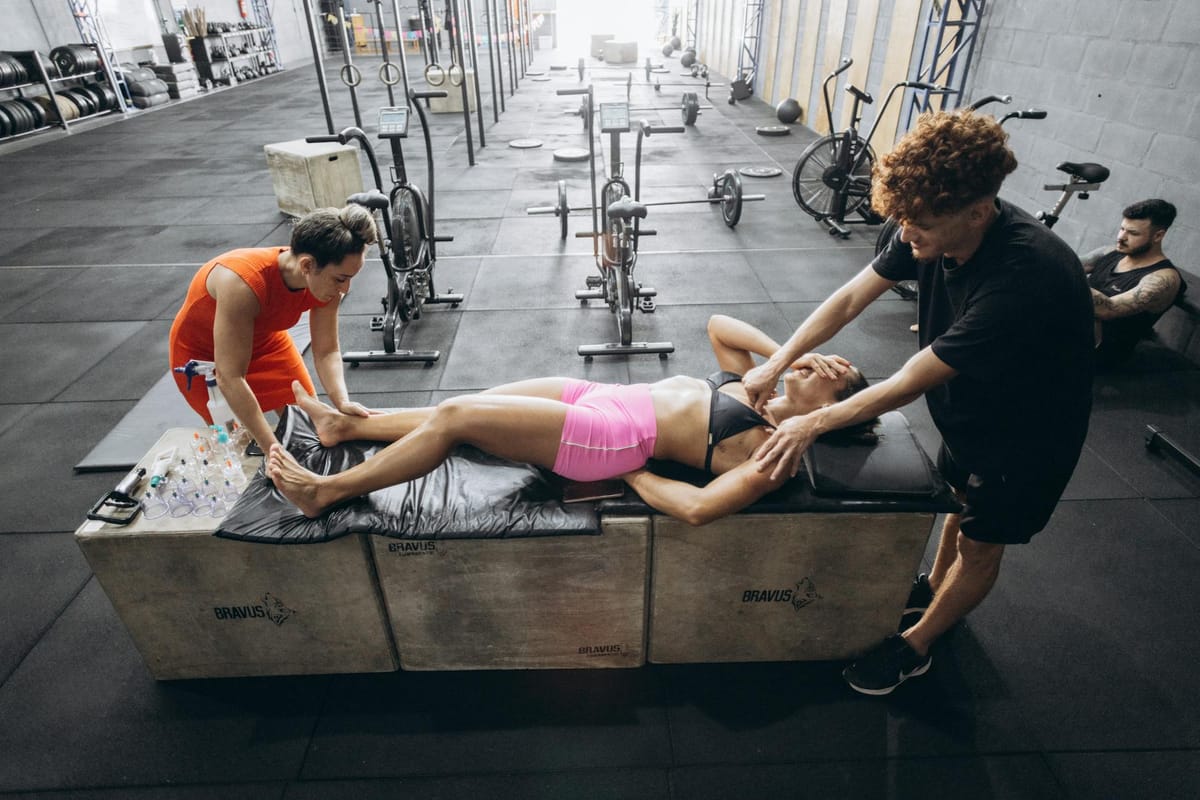
Sore muscles are normal. Staying wrecked is not. Hard training should build you up, not drag down your next workout, your sleep, or how you move the next day.
The best recovery tools for sore muscles reduce tightness, improve circulation, and make movement feel better between sessions. They do not replace sleep, protein, hydration, or smart programming. They support those basics.
This guide breaks down the top muscle recovery tools, who each one is best for, and how to use them without wasting time or money.
Why Recovery Tools Matter When Your Muscles Are Sore
Muscle soreness often peaks 24 to 72 hours after a hard session. That is delayed onset muscle soreness, or DOMS. It is common after lifting, sprinting, long runs, and any workout your body is not used to.
The best recovery tools for sore muscles help in a few key ways. They can improve short-term range of motion, reduce the feeling of stiffness, and make it easier to keep moving. That matters because light movement usually helps soreness more than total inactivity.
Think of these tools as add-ons, not shortcuts. They work best when your base is solid:
- Enough protein to support muscle repair
- Hydration and electrolytes to support performance and tissue function
- Quality sleep so your body can actually recover
- Smart training volume so soreness does not bury progress
How to Choose the Best Recovery Tools for Sore Muscles
Do not buy based on hype. Buy based on your problem.
Start With What Is Bothering You Most
If you feel tight and restricted, start with a foam roller, massage ball, or mobility strap. If your legs feel heavy and beat up, compression gear may help more. If soreness keeps you awake, heat is often a better play than another gadget.
Pick Tools You Will Actually Use
A cheap lacrosse ball used every week beats an expensive device that sits in a drawer. The best muscle recovery tools are the ones that fit your routine and get used consistently.
Keep the Routine Simple
You do not need a 45-minute recovery ritual. Five to 10 minutes after training and a few minutes later in the day is enough for most men — if you want a straightforward, no-fuss plan, try the lazy-guy post-workout routine.
Best Recovery Tools for Sore Muscles
If you want less stiffness, better mobility, and more productive training days, these are the post-workout recovery tools worth considering in 2026.
1. Foam Roller
A foam roller is still one of the best recovery tools for sore muscles because it is affordable, easy to use, and effective for full-body work. It can improve short-term mobility and reduce that stiff, tight feeling after training.
Focus on quads, glutes, calves, hamstrings, upper back, and lats. Roll slowly for 30 to 60 seconds per area. Do not try to crush the muscle. Moderate pressure is usually enough.
Best for: full-body recovery, leg-day soreness, warm-ups, cooldowns
2. Massage Gun
A massage gun gives you fast, targeted muscle relief. It can help a sore muscle feel looser before training or less tense after it. That is why it stays near the top of most lists of the best recovery tools for sore muscles.
Use it on larger muscle groups for 30 seconds to two minutes. Keep the pressure controlled and avoid bony areas, joints, or anything that feels sharp.
Best for: targeted relief, quick pre-workout prep, post-workout tension
3. Lacrosse Ball or Massage Ball
For hard-to-reach tight spots, a massage ball does the job better than a foam roller. It works well on glutes, feet, pecs, calves, and the back of the shoulder.
This is one of the best recovery tools for sore muscles when the problem is specific, not general. Pin the ball between your body and a wall or floor, then breathe and hold on the tight area. Avoid rolling hard over joints or nerve-heavy spots.
Best for: knots, glute tightness, foot soreness, shoulder tension
4. Compression Boots or Compression Sleeves
Compression gear can help when your legs feel heavy after running, field sports, long shifts, or high-volume lower-body work. The main benefit is often perceived recovery. You feel fresher and move better sooner.
Compression boots are the premium option. Sleeves and socks are the cheaper entry point. Both can earn a place among the best muscle recovery tools if your lower body takes a lot of pounding.
Best for: runners, athletes, travel days, repeated leg soreness
5. Heating Pad or Hot Bath
Heat works well for general muscle tightness and end-of-day stiffness. It helps muscles relax and can make it easier to unwind before sleep.
A heating pad on the low back, traps, or quads is simple and effective. A hot bath can also help you downshift after a hard day. Use heat for soreness and stiffness, not for a fresh injury that looks swollen.
Best for: evening recovery, chronic tightness, pre-bed relaxation
6. Cold Therapy Tools
Cold packs, cold tubs, and cold showers can reduce discomfort after hard conditioning or contact-heavy sessions. They are useful when you feel overheated, banged up, or generally beat down.
Cold therapy can be one of the best recovery tools for sore muscles for short-term relief. But do not treat it like a cure-all. If your goal is muscle growth, frequent ice baths right after lifting may not be your best move. Use cold strategically, not automatically.
Best for: contact sports, intense conditioning, reducing post-session discomfort
7. Mobility Bands and Stretch Straps
Bands and straps help you move through useful ranges without forcing bad positions. They are cheap, easy to store, and effective for hips, hamstrings, shoulders, and ankles.
These belong on any real list of the best recovery tools for sore muscles because better movement often reduces the feeling of soreness. Think band-assisted stretches, controlled mobility drills, and light movement flows.
Best for: improving flexibility, reducing stiffness, post-workout mobility work
8. TENS or Muscle Stimulation Devices
TENS units and similar devices can help with muscle pain relief for some people. They are not magic, and they do not speed recovery on their own, but they may make it easier to move when soreness is distracting.
That is why they can still count among the best recovery tools for sore muscles. If a tool helps you move more comfortably, it supports the overall recovery process.
Best for: pain relief, recovery days, low-impact support between sessions
9. Recovery Sandals and Supportive Footwear
This one gets ignored too often. If your feet, calves, or lower legs stay sore, what you wear after training matters. Supportive recovery slides or cushioned shoes can reduce stress on tired tissue.
They are not the flashiest of the best recovery tools for sore muscles, but they can make a real difference if you stand for hours after training or log a lot of weekly mileage.
Best for: foot fatigue, calf tightness, long days on your feet
How to Use Recovery Tools Without Wasting Time
Keep it repeatable. The best routine is the one you will actually do.
After Lifting
Use a foam roller or massage gun for five to 10 minutes. Follow with light mobility work for the muscles you trained. Then eat, hydrate, and take a short walk if you can.
On Rest Days
Pick one or two of the best recovery tools for sore muscles and pair them with movement. A brisk walk, easy bike ride, or short mobility circuit usually works better than doing nothing.
Before Bed
If soreness affects sleep, use heat, a massage ball, or gentle stretching. The goal is simple: reduce tension and help your body settle down so you can actually recover overnight.
What Recovery Tools Cannot Fix
Even the best recovery tools for sore muscles have limits. If you are always sore, look at the bigger picture first.
You may be doing too much volume, recovering poorly between sessions, eating too little, or sleeping badly. No tool fixes that.
Watch for these red flags:
- Soreness that regularly lasts more than three or four days
- Joint pain instead of muscle soreness
- Performance dropping week after week
- Low motivation, poor sleep, and constant fatigue
If that sounds familiar, adjust your training and recovery habits before buying another device.
FAQ: Best Recovery Tools for Sore Muscles
What is the best recovery tool for sore muscles after a hard workout?
For most men, a foam roller is the best place to start. It is affordable, easy to use, and effective for reducing tightness and improving movement after training. A massage gun is a strong second option for targeted muscle relief.
Do massage guns actually help sore muscles?
Yes, they can help reduce the feeling of tightness and soreness. They work best for short sessions on larger muscle groups and as part of a broader muscle recovery routine.
Are compression boots worth it for muscle recovery?
They can be worth it if you train often, run a lot, or deal with regular leg fatigue. Compression boots are helpful for perceived recovery, but they are not essential for everyone. Compression sleeves are a more affordable starting point.
Is heat or ice better for sore muscles?
Heat is usually better for stiffness and tight muscles. Cold therapy can help reduce discomfort after hard conditioning or contact-heavy sessions. Use the tool that matches the problem, not just habit.
How often should I use recovery tools for sore muscles?
Many tools can be used daily, especially low-intensity options like heat, foam rolling, walking, and light mobility work. Short and consistent beats long and occasional.
Can recovery tools replace rest and sleep?
No. The best recovery tools for sore muscles support your recovery, they do not replace it. Sleep, protein, and hydration are the foundation. Tools help you get more out of the work you are already doing.
Final Takeaway
The best recovery tools for sore muscles are the ones that match your training, your body, and your schedule. For most men, a strong setup is simple: a foam roller, a massage ball, some mobility work, and heat when needed.
If your legs take a beating, add compression gear. If you want quick targeted relief, add a massage gun. Start small and build a muscle recovery routine you will actually stick to.
Recovery is not about babying yourself. It is about getting ready to train hard again. Use the tools that help, skip the hype, and stay consistent.
ActiveMan — Make Your Move
The Modern Guide to Men’s Health, Fitness & Lifestyle.


