
Red Light Therapy for Recovery: Benefits & Results

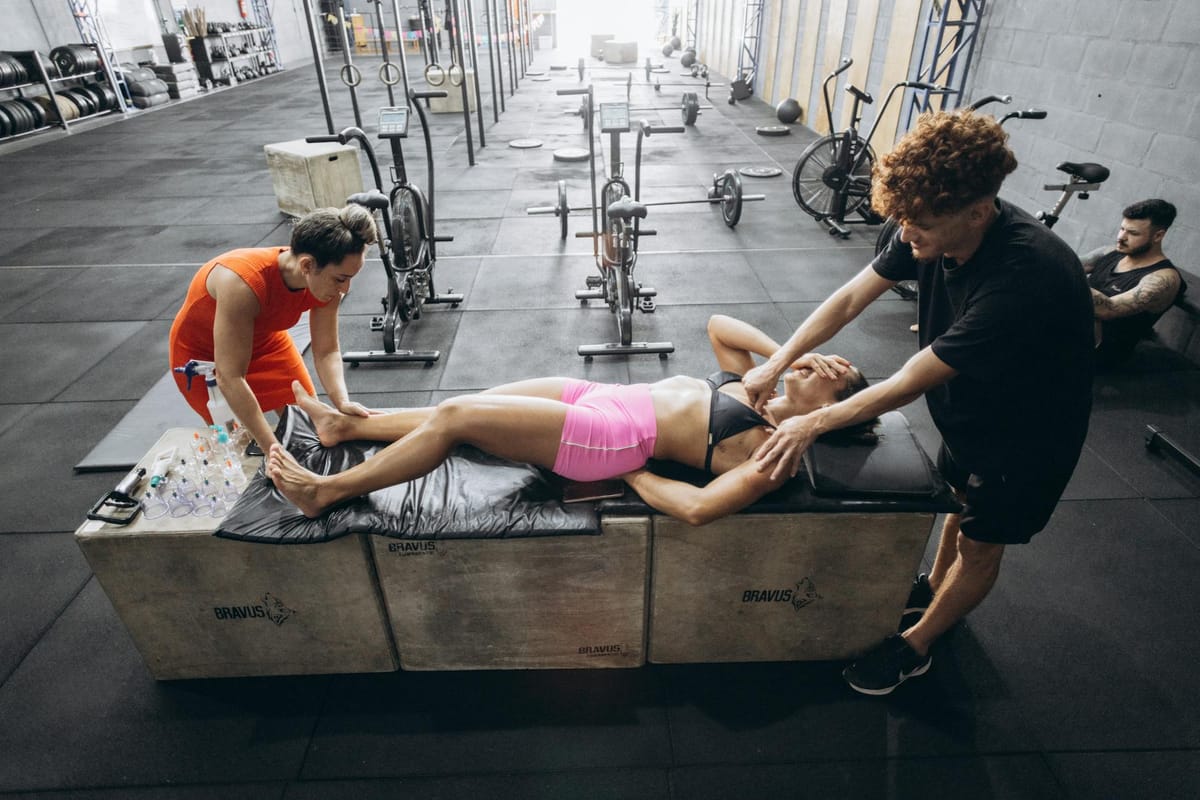
You put in the work. Your recovery decides how much of that work actually pays off.
When soreness drags on, joints feel beat up, and your next session starts before you feel ready, progress slows. That is why more athletes and lifters are turning to red light therapy for recovery.
Does it work? Research on photobiomodulation suggests red and near-infrared light may reduce post-exercise soreness, support muscle function, and improve recovery between sessions. But it is not a shortcut, and it will not fix bad sleep, poor nutrition, or reckless training volume.
This guide covers what red light therapy for recovery does, what the evidence actually supports, how to use it correctly, and how to avoid wasting money on weak devices.
What Is Red Light Therapy for Recovery?
Red light therapy for recovery uses specific wavelengths of red and near-infrared light to expose tissue to targeted light energy. The clinical term is photobiomodulation (PBM).
The proposed mechanism is straightforward. Light interacts with mitochondria — the parts of cells responsible for energy production. That interaction may help the body manage exercise-induced stress, support tissue repair, and regulate inflammation after training.
The key point: the goal is not to numb soreness. The goal is to support the biological recovery process itself.
Why Athletes Pay Attention to Photobiomodulation
Training creates controlled damage and fatigue on purpose. You stress the body, then rebuild stronger.
Recovery is where that rebuild happens. If soreness stays elevated or performance keeps dropping between sessions, training quality suffers — and so do results.
That is where red light therapy for recovery earns attention. Athletes commonly use it to support:
- Post-workout muscle soreness (DOMS)
- Exercise-related inflammation
- Joint stiffness and soft tissue tightness
- Training readiness between sessions
- Faster bounce-back after high-volume training blocks
Red Light vs. Near-Infrared Light: What Is the Difference?
They are often bundled together, but they serve different purposes.
Red light (typically 630–660nm) works closer to the surface. Near-infrared light (typically 810–850nm) penetrates deeper into muscle and joint tissue. For muscle recovery, that deeper penetration matters most — which is why quality recovery devices combine both wavelengths.
If you are shopping for a panel or wrap, a device that includes both red and near-infrared is the most practical choice for athletic use.
What Does the Research Say About Red Light Therapy for Muscle Recovery?
The evidence on red light therapy for recovery is promising, but not perfect. Multiple studies suggest photobiomodulation may reduce delayed onset muscle soreness (DOMS), support muscle performance, and limit the performance drop-off that follows hard training.
Research also points to changes in markers linked to muscle damage and oxidative stress. However, results vary across studies because device quality, wavelength, treatment timing, dose, and training type all differ between trials.
Bottom line: the therapy may help, but outcomes depend heavily on how it is applied.
Recovery Benefits the Evidence Supports Most
Based on current research, red light therapy for recovery looks most useful for:
- Reducing muscle soreness: Especially after high-volume lifting or intense conditioning work
- Improving recovery between sessions: Valuable when you train four or more days per week
- Supporting muscle function: Some studies show less performance decline after hard exercise
- Easing joint and soft tissue discomfort: Relevant for lifters dealing with recurring stiffness or mild overuse irritation
What it will not do is erase soreness overnight or rescue a poorly designed program. Recovery tools cannot outwork bad habits.
Who May Benefit Most from Red Light Therapy for Recovery?
Red light therapy for recovery tends to make the most sense for:
- Men lifting four or more days per week
- Runners and hybrid athletes with repeated lower-body fatigue
- Men over 35 who notice slower recovery between sessions
- Lifters managing mild overuse irritation or chronic tightness
- Anyone seeking a recovery tool that does not rely on painkillers or heavy supplementation
It works best as an add-on to a solid foundation. Sleep, protein, hydration, and smart programming still come first.
How to Use Red Light Therapy for Recovery the Right Way
How you use red light therapy for recovery matters as much as the device itself. Random use, poor positioning, and sessions that are too short are the fastest ways to get no measurable benefit.
What Is the Best Timing for Red Light Therapy Recovery Sessions?
You can use red light therapy for recovery before training, after training, or on rest days — each has a different purpose.
- Before workouts: Some athletes use pre-session exposure to support muscle readiness and warm-up
- After workouts: The most common approach for soreness reduction and recovery support
- On rest days: Useful for targeted work on areas that stay tight or accumulate fatigue
If your primary goal is less soreness and faster bounce-back, post-workout is the easiest and most evidence-supported starting point.
How Long Should Red Light Therapy Sessions Be?
For most devices, a practical range is 10 to 20 minutes per treatment area. The right duration depends on the device's output power and the manufacturer's guidance.
Do not assume longer is always better. Too little may produce no effect. Too much may reduce the benefit. Dose matters — follow the device instructions.
How Close Should You Stand to a Red Light Therapy Panel?
Distance directly affects light intensity reaching the tissue. Most panel users position themselves roughly 6 to 18 inches away, but the correct range depends on the specific device output.
Smaller handheld units require closer, more targeted positioning. Larger panels make it easier to cover big muscle groups like quads, hamstrings, back, and shoulders in a single session.
Which Areas Should You Target for Muscle Recovery?
Focus on the muscles and joints that absorb the most stress from your training.
- Quads and hamstrings after leg day
- Lower back after heavy deadlifts or pulls
- Shoulders after pressing volume
- Knees, elbows, or ankles with recurring stiffness
- Upper back and traps after heavy rowing or carry work
Consistency beats heroic one-off sessions. For most active men, three to five sessions per week is a realistic and effective frequency.
How to Choose a Red Light Therapy Device and Avoid Common Mistakes
The market is crowded with devices that look impressive but say very little about actual output. If you are serious about red light therapy for recovery, ignore the marketing and focus on function.
What to Look for in a Quality Red Light Therapy Device
- Red and near-infrared wavelengths: Covers both surface tissue and deeper muscle recovery
- Published irradiance or power output data: You need enough usable light energy to reach the target tissue
- Clear treatment guidance: Reputable brands specify distance, session duration, and use cases
- Size matched to your goal: Small devices suit elbows or knees; full panels work better for large muscle groups
For athletic recovery, a larger panel almost always makes more practical sense than a small cosmetic device designed for skin use.
Common Mistakes That Undermine Red Light Therapy Results
- Standing too far from the device and reducing effective dose
- Using sessions that are too short to produce a response
- Being inconsistent — skipping sessions during the weeks that matter most
- Buying a low-output unit that cannot deliver adequate light energy
- Expecting it to compensate for poor sleep, inadequate protein, or excessive training volume
If the basics are a mess, the results will be limited regardless of the device.
Is Red Light Therapy Safe for Recovery Use?
For most healthy adults, red light therapy for recovery is considered low risk when used as directed. Follow device instructions, avoid staring directly into the light source, and use eye protection if the manufacturer recommends it.
If you have an eye condition, take photosensitizing medication, or have an injury requiring medical evaluation, consult a qualified clinician before use. It is a recovery support tool, not a substitute for medical care.
How Red Light Therapy Fits Into a Smarter Recovery Plan
The most effective way to use red light therapy for recovery is as a support tool layered on top of solid fundamentals — not as a replacement for them.
Your Recovery Hierarchy Still Comes First
- Sleep: Deep, consistent sleep is the single most powerful recovery driver
- Protein intake: Muscle repair requires adequate raw material — aim for sufficient daily protein
- Training volume management: Smart programming beats grinding through excessive fatigue
- Hydration and electrolytes: Under-hydrated tissue recovers slower and performs worse
- Stress control: Elevated life stress directly impairs training recovery and adaptation
Once those pillars are covered, red light therapy for recovery can provide a meaningful additional edge — especially for men training at high frequency or intensity.
A Simple Weekly Red Light Therapy Recovery Plan
Keep it simple enough to follow consistently.
- After lower-body sessions: 10 to 15 minutes on quads, hamstrings, and knees
- After upper-body sessions: 10 to 15 minutes on shoulders, chest, or upper back
- On rest days: A full-body panel session or targeted work on the areas carrying the most fatigue
- In the evening: Pair it with your wind-down routine to build a habit that sticks
You do not need a complicated biohacking protocol. You need a plan you will actually follow week after week.
FAQ: Red Light Therapy for Recovery
Does red light therapy help muscle recovery?
It may. Research suggests red light therapy for recovery can reduce delayed onset muscle soreness and support muscle function after hard training. Results depend on the device quality, dose, and consistency of use.
When should I use red light therapy for recovery?
Most athletes use red light therapy for recovery immediately after workouts or on rest days. Post-workout use is the most common and evidence-supported starting point for soreness reduction and recovery support.
How often should I use red light therapy for recovery?
A practical starting point is three to five sessions per week. Your training load, device output, and target area all influence the ideal frequency for your situation.
How long does red light therapy take to work for recovery?
Some men notice changes within a few sessions. Others need two to four weeks of consistent use to see clear results. Red light therapy for recovery works best when sleep, nutrition, and training are already dialed in.
Is red light therapy better than ice baths for recovery?
Not better across the board — they serve different purposes. Cold exposure is often used to reduce perceived soreness acutely, while red light therapy for recovery is used to support tissue repair and maintain muscle function over time. Many athletes use both strategically.
Can beginners use red light therapy for recovery?
Yes. Red light therapy for recovery is not limited to elite athletes. Any man training consistently who wants to manage soreness and improve readiness between sessions can benefit, provided he uses a quality device and follows proper dosing guidance.
Final Take: Is Red Light Therapy for Recovery Worth It?
Red light therapy for recovery is not magic — but it is not pure hype either. Used correctly, it may reduce soreness, support muscle repair, and make it easier to show up ready for the next session.
If you train hard, feel more wear and tear than you used to, or want a recovery tool that fits real life without relying on painkillers, it is worth serious consideration. Start with a quality device, follow the dosing guidance, and track how your body responds over three to four weeks.
Recover better. Train harder. Stay in the fight longer.
ActiveMan — Make Your Move
The Modern Guide to Men’s Health, Fitness & Lifestyle.


